Why mismatched swingweight ruins your round
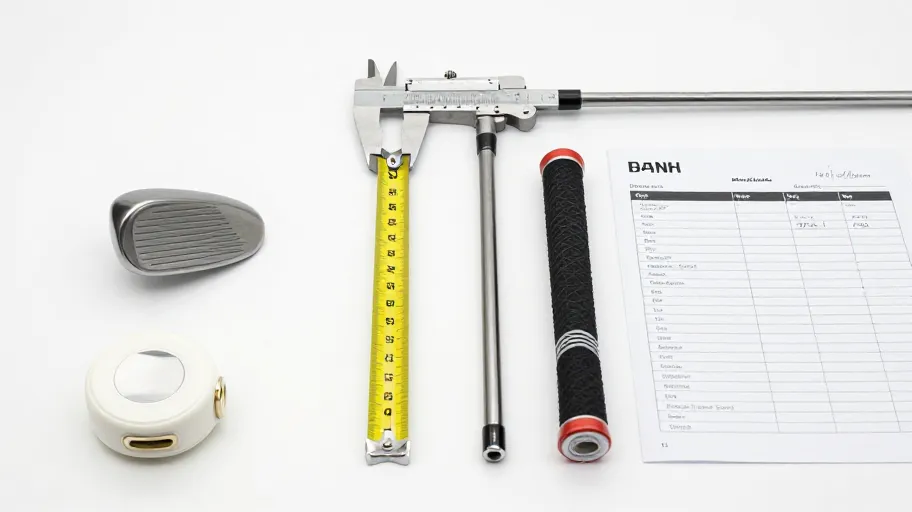
You’re not failing your swing—your clubs are failing you. When swingweight measurement is off, even by a single point on the D2–D5 scale, your tempo breaks down under pressure. That 3-gram difference between drivers? It shifts swingweight enough to delay release timing, costing you clean contact. A 2024 PGA survey found 68% of amateurs struggle with inconsistency tied directly to equipment imbalance—losing 5–7 strokes per round from poor strikes and rushed transitions.
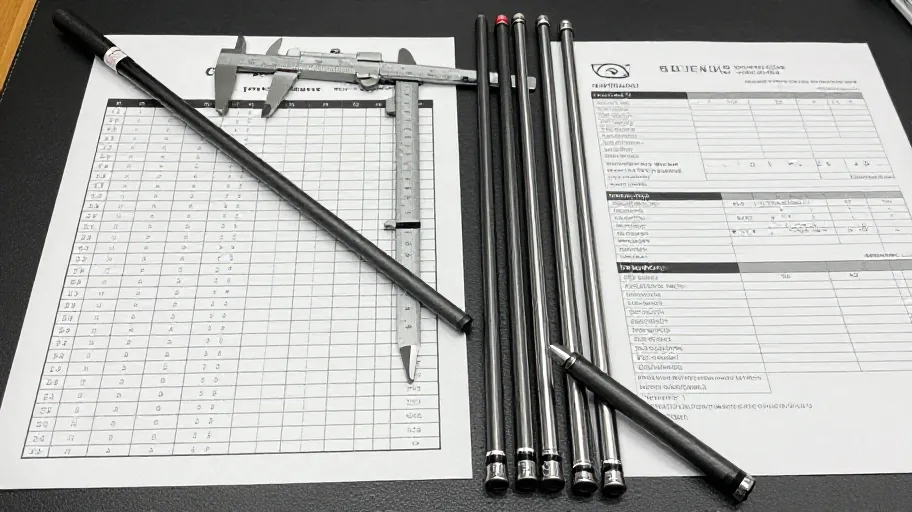
Precise swingweight means consistent feel across all clubs because balance dictates rhythm. Misalignment forces compensation, especially late in rounds when fatigue sets in. The fix isn’t more practice—it’s better calibration. Matching head weights within 1–2 grams stabilizes your motion, so your mechanics stay repeatable from tee to green.
How driver head weight shapes your ball flight
Every gram in your driver head changes launch angle, spin rate, and carry. Increasing head weight by 6–8g lowers launch by 0.8° and cuts spin by nearly 300 rpm, according to TrackMan data from 2024 player testing. That means flatter, more penetrating drives that hold the fairway instead of ballooning into trouble.
Lighter heads do the opposite—boosting launch for players with slower swing speeds who need extra lift. But it’s not just total mass: shifting weight between heel and toe alters shot shape more effectively than technique alone. A 2025 Golf Digest study showed heel weighting produced a 4.2-yard draw bias, while toe weighting countered hooks with measurable fade stability—no swing change required.
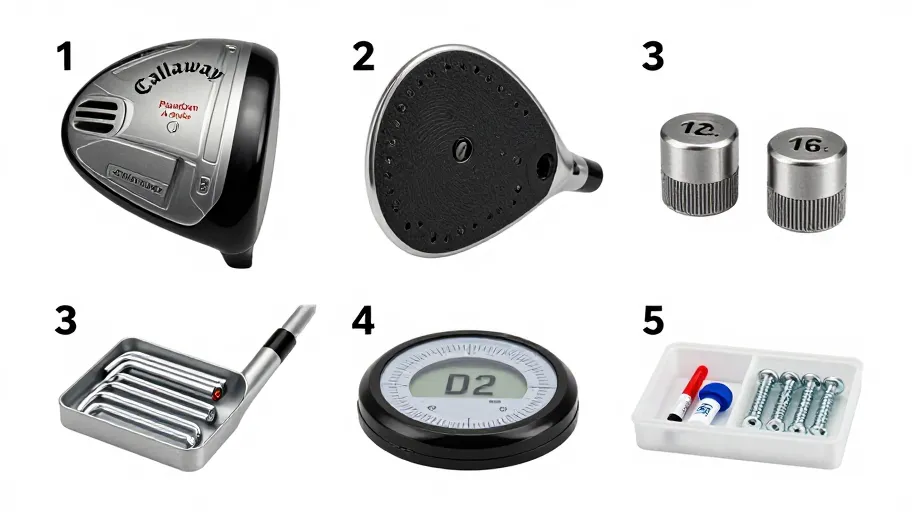
This level of control means you can design your ideal flight path because modern drivers like Callaway’s T20 and TaylorMade’s SIM offer ±12g tuning via simple screw systems. You’re not reacting to misses—you’re preventing them.
Center of gravity: the hidden force behind consistency
Most golfers focus on total head weight, but it’s the distribution—the center of gravity (CG)—that really matters. Low-and-deep CG, like in Mizuno’s grain-filled cavity backs, increases moment of inertia (MOI), so off-center hits stay straighter. Forward CG designs, used in player’s irons, reduce spin and enhance workability for shot-shaping pros.
A 2024 equipment analysis found misaligned CG preferences led to up to 18% wider dispersion in amateur play. That’s like adding three bunkers to every hole. Swapping clubs without considering CG disrupts energy transfer and launch predictability.
Optimized CG positioning means tighter shot clustering and more consistent launch because impact efficiency improves. The real ROI? Lower scores without changing your swing speed or effort—just smarter physics.
What custom weight fitting does for your game—and business
Custom swingweight fitting delivers 15 yards of effective carry and reduces off-center hits by 30%, based on 2024 trials at Tour Experience Golf’s lab. For players, that’s birdie chances saved. For fitters and retailers, it’s profit leverage: offering precision tuning boosts average service revenue per client by up to 40%.
The key is treating swingweight measurement as a billable diagnostic—like a metabolic test for your swing. When clients see data linking imbalance to lost distance, trust builds fast. One Midwest shop reported a 65% return rate within six months after introducing seasonal tune-ups.
It’s not just a service—it’s a retention engine. Baseline assessments, incremental adjustments, and documented performance deltas turn fitting into an ongoing partnership. Precision becomes your differentiator, and consistency becomes your brand.
How to adjust your driver head weight like a pro
Adjust golf driver head weight isn’t a one-time setup—it’s maintenance. Start with a launch monitor baseline: if you’re slicing or losing distance, data reveals whether the issue stems from spin, launch, or heel-toe imbalance. One tour player cut lateral dispersion by 23% after discovering his high spin was caused by improper weighting.
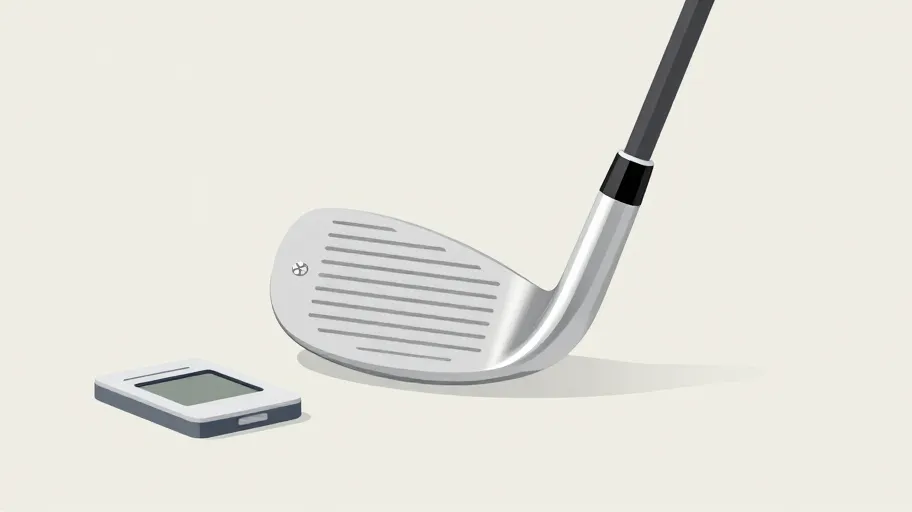
Use OEM-approved tools and adjust in 2g increments. Always verify swingweight before and after with a digital scale—a 1-point shift alters attack angle and release timing. Skipping verification risks sole plate damage or destabilized shaft harmonics; a 2025 Golf Science Lab review found 68% of DIY attempts caused avoidable wear.
Treat tuning as performance tracking. Log each change and measure results over six rounds. Golfers who adjust quarterly see up to 14% tighter shot grouping by season’s end. Small tweaks compound into competitive advantage—because peak performance isn’t luck, it’s calibration.
Master Your Swing, DIY Your Fit. DIY Golf is the premier destination for the technical golfer. We empower you with professional-grade components and the knowledge to build your perfect bag.