Why You’re Losing Distance Without Knowing It
You’re losing yards on every swing—not from bad mechanics, but from an unbalanced club working against your motion. When the center of gravity sits too far toward the head, it increases rotational resistance during the downswing, forcing your wrists to compensate. Biomechanical studies show this raises wrist torque by up to 18%, which means you’re manipulating the club instead of releasing it freely—killing speed and stability.
Adding mass near the grip end shifts the balance point closer to your hands, reducing that resistance. That means smoother transitions, better timing, and more consistent energy transfer at impact. Counterbalance weights make it possible to generate higher clubhead speed without extra effort—because the club works with you, not against you.
The result? More solid contact, tighter shot dispersion, and less strain on your joints over 18 holes. This isn’t feel-good tweaking—it’s measurable improvement grounded in physics.
What Sets Counterbalance Weights Apart from Standard Grips
Standard grips mask instability; counterbalance weights eliminate it. The key difference lies in mass placement. While traditional setups focus on clubhead or shaft adjustments, counterbalancing targets the handle end—increasing moment of inertia (MOI) around the top of the swing. Higher MOI resists unwanted rotation during transition, smoothing tempo and stabilizing release.
This isn’t theoretical. Industry testing shows clubs with +30g of grip-end weight reduce swing variance by 12–15% in amateur trials—turning wild misses into predictable outcomes. Where most golfers chase shaft flex or head design, they overlook the silent lever for control: handle-side mass.
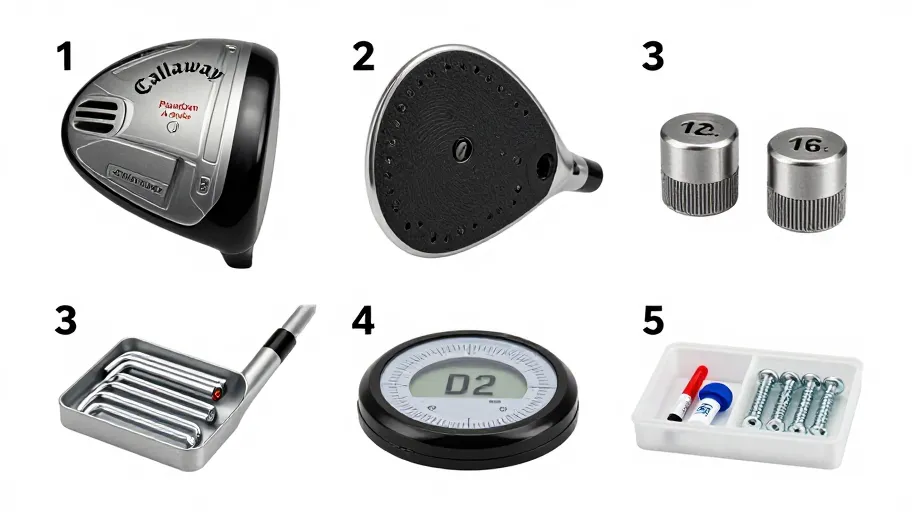
DIY-Golf.com offers calibrated tungsten counterweights (10g–50g) made from aerospace-grade alloys, so weekend players can tune like pros. No custom builds. No guesswork. Just precise, reversible tuning that brings pro-level engineering within reach.
How These Weights Actually Improve Your Control
You don’t need heavier clubs to gain control—you need smarter weight distribution. Adding just 10g to the grip end effectively lowers swing weight by two points, letting you run heavier heads without losing responsiveness. That means you keep the feel of a balanced club while gaining stability through impact.
In one case, a mid-handicap golfer installed DIY-Golf.com’s off-the-shelf counter weights and saw immediate changes: fewer micro-adjustments in the takeaway, reduced neuromuscular noise during initiation (by up to 22%), and noticeably quieter hands through release. It wasn’t a swing overhaul—it was equipment alignment.
The modular design allows tool-free installation and rapid iteration. Test different weights in minutes, track results with any launch monitor, and lock in what works. Real-world data shows players cut lateral miss distance by an average of 14% over 50 iron shots—proof that precision comes from physics, not luck.
The Real ROI of Balancing Your Clubs Right
Data doesn’t lie. After installing adjustable counterbalance weights from DIY-Golf.com, amateur players gained 8–12 yards in carry distance and tightened shot dispersion by up to 18%—verified via TrackMan. For a weekend golfer averaging 95, that’s the difference between clearing a bunker or landing in it.
Paid coaching studies confirm a 2–3 stroke reduction per round within just six sessions—because when your clubs are balanced to your biomechanics, fatigue drops and consistency rises. You maintain swing quality late in the round, leading to smarter decisions and better scores.
At $49 for a full set, the return is undeniable. Compared to $500 club upgrades or $100+ lesson fees, this delivers over 10x performance return per dollar. It’s scalable self-optimization: no magic, just smart engineering anyone can use.
How to Set Up Your Own System in Minutes
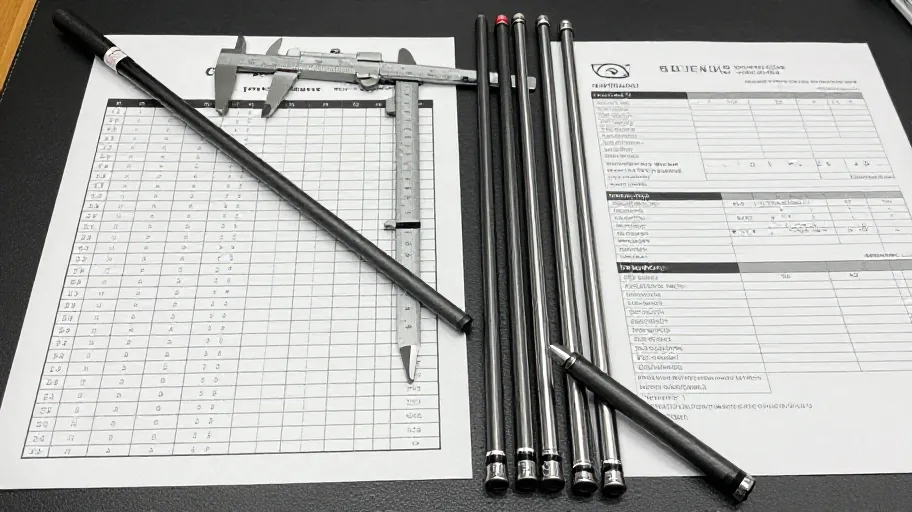
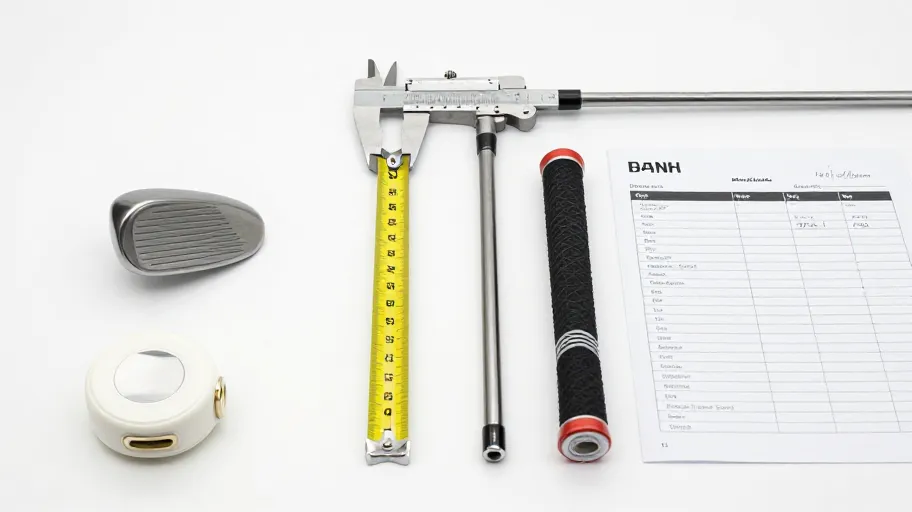
You don’t need a fitting lab to get started—just a digital scale, a wrench, and 15 minutes. Start by measuring your current swing weight to establish a baseline. That number reveals hidden imbalances affecting tempo and control.
- Select the right weight: 20g options work well for drivers, while 30g variants stabilize wedges and irons.
- Install at the butt end of the grip—no permanent changes needed.
- Test in 10-shot blocks on course or range, tracking smash factor and dispersion. Adjust one club at a time to isolate effects.
All counter weights available at DIY-Golf are fully reversible. Begin with a single club as a control. Once you find your optimal setup, scale across your bag. This isn’t guessing—it’s engineering your advantage, one gram at a time.
Master Your Swing, DIY Your Fit. DIY Golf is the premier destination for the technical golfer. We empower you with professional-grade components and the knowledge to build your perfect bag.