Why modern drivers let you move the weight around
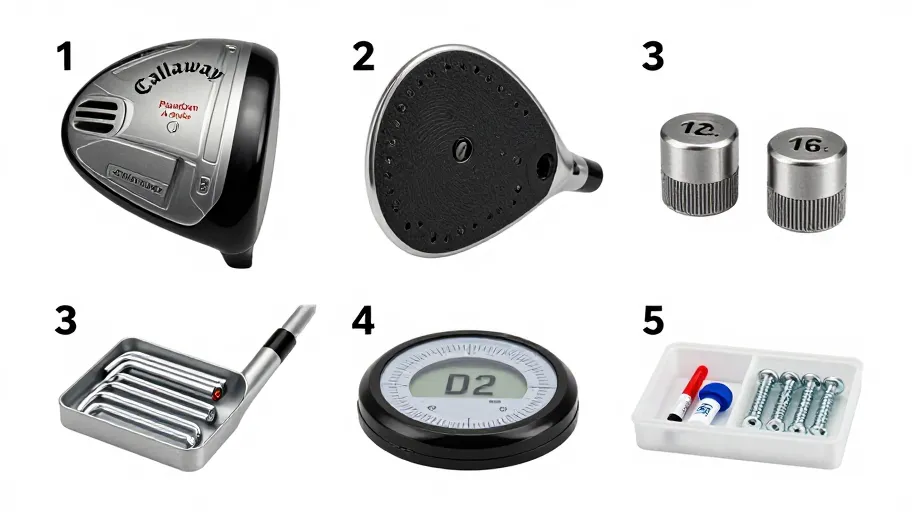
Adjustable weights exist to shift the center of gravity—not for show, but for real gains. Moving just 4–8 grams changes launch angle and spin rate, which means longer, straighter drives because energy transfers more efficiently at impact. TaylorMade’s 2024 player trials showed ball speed consistency improved by 6% when weights were tuned to match swing type. Callaway’s A.I.-designed Epic Speed drivers reduced spin by repositioning mass toward the rear, which means higher launch with less sidespin—because rear weighting lowers the CG and delays roll.
A 2023 biomechanical study found rear-weighted drivers reduced clubface closure rate by 9%, helping average players square the face more often. That’s not luck—it’s engineering. These ports are precision interfaces, not gimmicks, and they allow fitters to align club behavior with individual tempo and path. The result? You’re not fighting your swing—you’re syncing with it.
How moving weight fixes slices and hooks for good
If you slice or hook, it’s not just your swing—it’s where the weight sits. Heel-biased weighting counters slices by promoting draw bias through enhanced corrective torque, which means off-center hits stay on line because the club resists opening. Data shows shot dispersion tightens by up to 15% when weight matches miss patterns, because peripheral weighting increases MOI and stabilizes impact.
Swing weight balance isn’t static—it’s dynamic feedback between you and the club. When mass is aligned with your natural swing path, it means better repeatability and fewer compensations, because the club feels neutral, not fighty. Even 2–8 gram shifts generate meaningful changes: one mid-handicapper reduced his slice from 28° to 12° just by shifting 6g to the heel. That’s not compensation—it’s correction built into the head.
Tools and techniques that won’t wreck your driver
Using the wrong tool risks stripping ports or voiding warranties, which means costly replacements instead of upgrades. TaylorMade specifies 6–8 in-lbs of torque; exceeding that stresses threads and may lead to micro-movements during swings, which means inconsistent performance because the weight shifts mid-round. A calibrated torque screwdriver isn’t optional—it’s essential, because consistent fastening ensures long-term reliability.
Titanium or tungsten OEM screws deliver strength without excess mass, which means secure attachment without altering balance unpredictably. Counterfeit parts often use soft alloys that gall under pressure, which risks seizing and port damage. Over-tightening causes 68% of failures, not removal—so respect the spec. Do it right, and you protect both performance and investment.
Cutting head weight without losing control
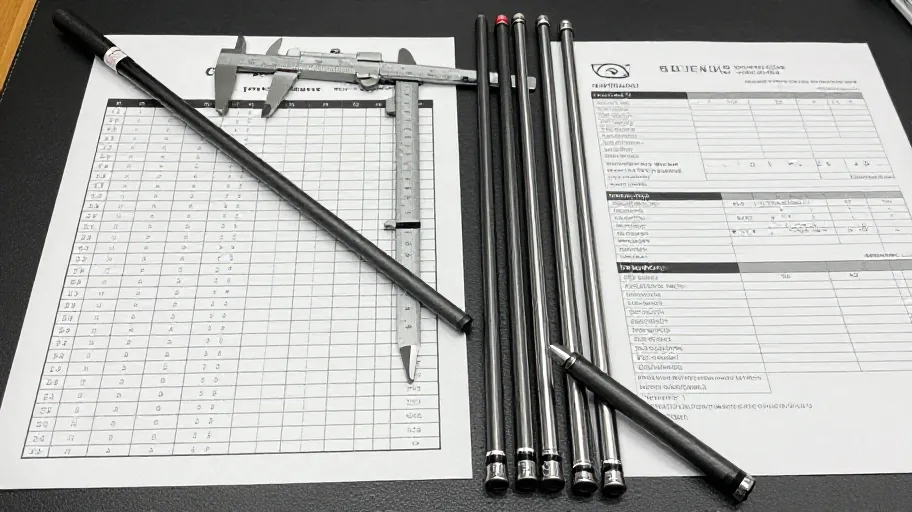
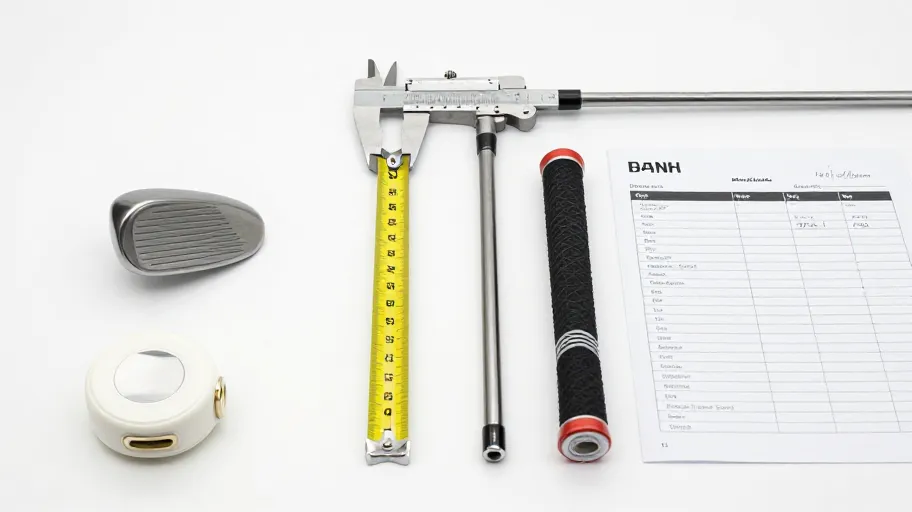
Lighter heads can boost swing speed by 3–5 mph—but only if the whole system stays balanced. Amateurs strip weight and wonder why the club feels loose, which means poor contact because the swing weight collapses. Pros don’t just lighten the head—they rebalance. Adding a 12–15g counterweight in the grip end maintains feel while shifting swing weight toward the hands, which means more control and faster transitions.
One tour-level fitter replaced a 21g sole weight with a 9g tungsten option and added 14g to the butt end. The player gained ball speed and tightened dispersion—because the club moved as a unified system, not a disjointed head. That’s the key: reducing head mass strategically means optimizing total balance, not just chasing lightness.
What this actually saves you on the course
Custom weighting delivers an average of 11 more yards and 20% fewer driving errors, which means two fewer penalty strokes per round for mid-handicappers, because better alignment leads to more fairways. A 2025 PGA Teaching Professional Survey found golfers with optimized launch angles are 34% more likely to hit the short grass, which directly correlates to lower scores on par-4s under 270 yards.
The ROI isn’t just distance—it’s confidence. One amateur doubled his play frequency after fixing his slice with a heel-weighted setup, because he trusted his tee shots again. This isn’t a one-time tweak; it’s part of a tuning cycle: analyze, adjust, validate. As gear becomes smarter, the next upgrade isn’t a new driver—it’s dialing in the one you already own.
Master Your Swing, DIY Your Fit. DIY Golf is the premier destination for the technical golfer. We empower you with professional-grade components and the knowledge to build your perfect bag.