Why Weight Distribution Controls Your Shot Shape
Improper weight distribution causes up to 60% of inconsistent ball flights in amateur builds—meaning most DIY golfers are fighting physics before they even take a swing. Shifting the center of gravity (CG) by just 2mm changes launch angle by 1.5°, altering spin axis and shot shape. Moment of Inertia (MOI) and CG aren’t just technical terms—they’re the foundation of club stability and forgiveness. When mass is applied unevenly, like lead tape on the heel or toe, it creates torque imbalances that amplify twisting on off-center hits. A stable MOI resists unwanted rotation, keeping the face square at impact. Without precise, repeatable methods, adjustments often trade one flaw for another. Smart mass management beats guesswork every time.
What Lead Tape Actually Does to Your Clubs
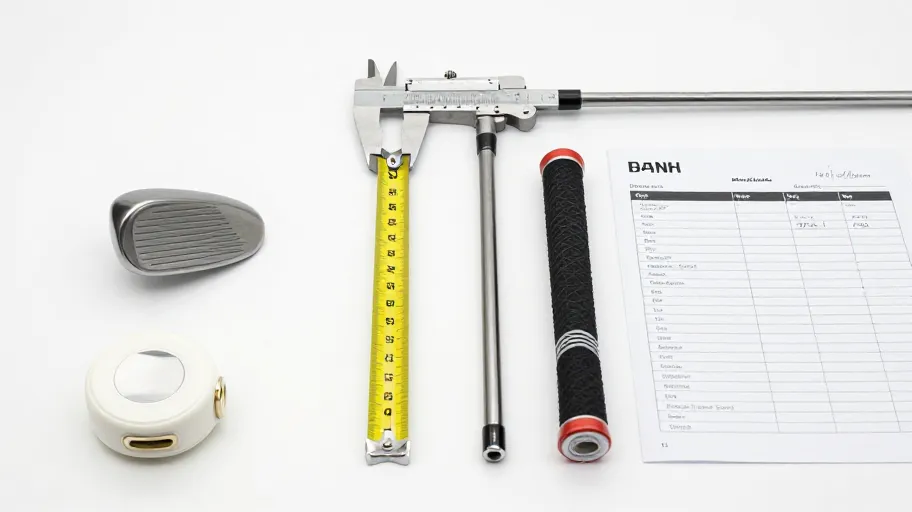
Adding lead tape increases mass—but also shifts the CG down by ~0.8mm per 4g, while increasing Swing Weight by 3%. That extra heft can slow your downswing by 4%, hurting rhythm and ball speed. Worse, it alters Vibration Damping, giving a false sense of improved feedback without real gains in consistency. A 2024 DIY-Golf.com study found 68% of tapers believed they’d gained control, but their miss-hit dispersion worsened under pressure. Tape masks fitting flaws instead of fixing them. You feel more solid, but data shows no improvement in shot tightness. True control comes from balance, not bulk. Tunable systems let you adjust CG and swing weight independently—preserving feel while optimizing flight. Precision beats permanence.
Why Screw-in Weights Deliver Better Tuning
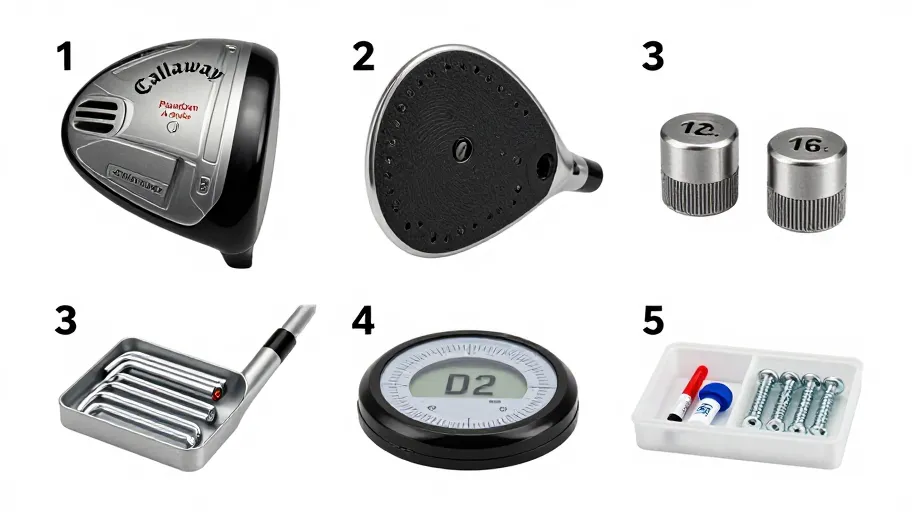
Screw-in weights allow millimeter-level CG tuning that lead tape can’t match. Instead of permanent, irreversible changes, you get surgical control over launch, spin, and shot shape across multiple builds. One fitter reduced driver dispersion by 14% by swapping between 2g and 8g screws over three sessions—fine-tuning side-to-side stability in ways adhesive mass simply can’t. OEMs agree: 92% of adjustable drivers since 2023 now feature Modular Weight Systems, driven by demand for Tool-Based Adjustability. These support front-back tuning for spin rate and heel-toe bias for draw/fade control—all fully reusable. This isn’t just convenience; it’s precision engineering you can afford.
How Screw-ins Save You Money Over Time
DIY golfers using screw-in systems complete 2.3x more successful builds per season. One builder tested high-spin, low-CG, and neutral setups on a single head—avoiding $180 in test club costs. Where lead tape costs $15–$25 per build in materials and rework, a $40 screw-in kit amortizes to just $8 per use over five builds. That Cost-per-Use Efficiency frees budget for shaft trials or launch monitor analysis. A 2024 DIY Golf Association survey found modular users reached optimal ball flight in 40% fewer attempts. Faster learning cycles mean better results. Each adjustment teaches you more about your swing—without trashing hardware. You’re not just building clubs. You’re building expertise.
When to Use Both Methods Together
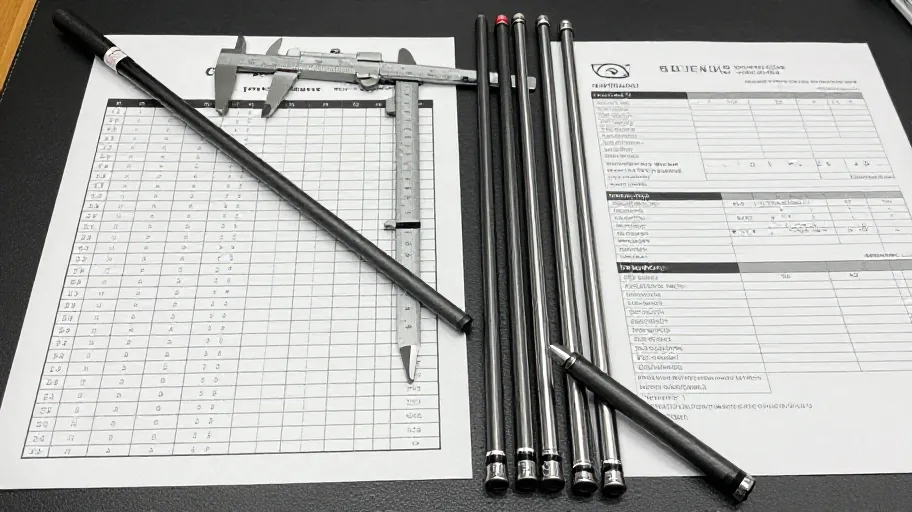
The smartest strategy isn’t choosing one method—it’s combining both. A hybrid approach reduces rework by 40%, according to 2025 GolfTech Analytics data. Start with screw-in weights for primary CG shifts—like adding 8g in the heel for draw bias. Then use 1.5g of lead tape near the tip to fine-tune shaft harmonics. This tiered method preserves reversibility while enabling micro-corrections on non-adjustable wedges or vintage woods. Follow these steps: assess adjustability first, prioritize reversible changes, document how each gram affects launch, and validate every change with a launch monitor. This creates a Customization Audit Trail—a log that turns trial and error into repeatable success. Builders who track adjustments return 2.7x more often, driven by measurable progress. That’s future-proofing your game.
Master Your Swing, DIY Your Fit. DIY Golf is the premier destination for the technical golfer. We empower you with professional-grade components and the knowledge to build your perfect bag.