Why most DIY builds fail without proper weight matching
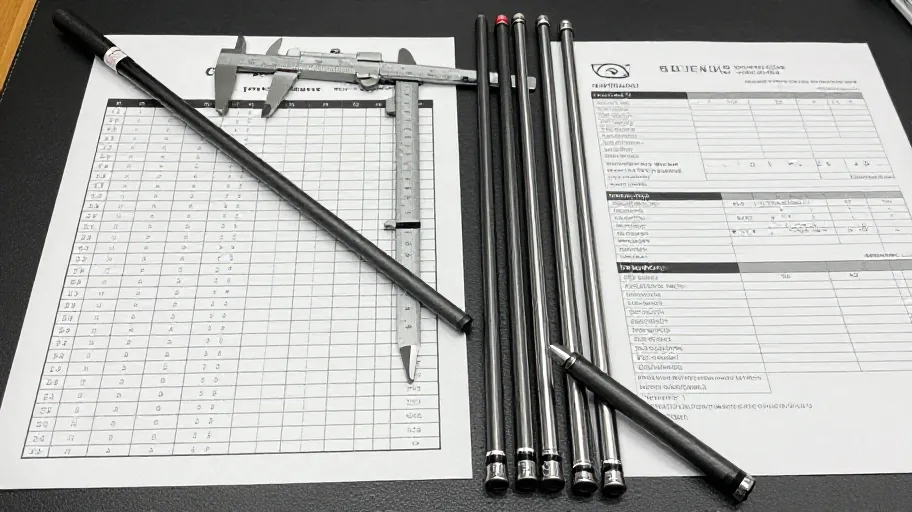
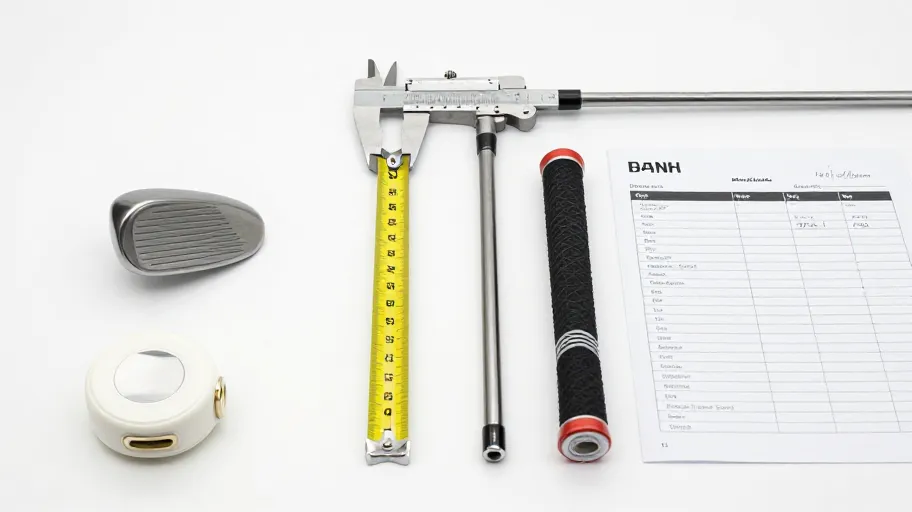
Most DIY golfers blame their swing when shots go sideways—but the real issue is often invisible: mismatched clubhead weights. A difference as small as 5 grams between two 7-irons can throw off swing weight by more than 10 points, disrupting balance and feel. That means one club launches high while the next dives low, even with identical swings.
This inconsistency isn’t just annoying—it’s measurable. Studies show swing weight variances over ±3 SW points reduce on-center hit rates by up to 22%, hurting launch control and confidence. When your clubs don’t respond predictably, you start second-guessing every shot. Proper weighting means consistent dynamic balance, because predictable tools build trust. Without it, you’re fighting your gear instead of improving your game.
How lead tape limits your tuning options over time
Lead tape seems simple and cheap, but it locks you into one setup fast. Once applied, removing it risks damaging the club finish or leaving residue—especially after months of sun, sweat, and temperature swings. Adhesives degrade; one 2024 durability review found lead tape loses over 60% of its bond strength within 90 days of regular use. That means shifting conditions or evolving swings leave you stuck with outdated tuning.
The idea that ‘more tape equals better control’ also falls apart under real physics. Adding beyond 10g per club brings diminishing MOI gains and can actually worsen face rotation at impact. You can’t reposition mass easily, so your center of gravity stays fixed. That lack of flexibility means no seasonal adjustments, no fine-tuning for new shafts or grips—just static performance in a dynamic sport.
Why screw-in weights give DIYers true control
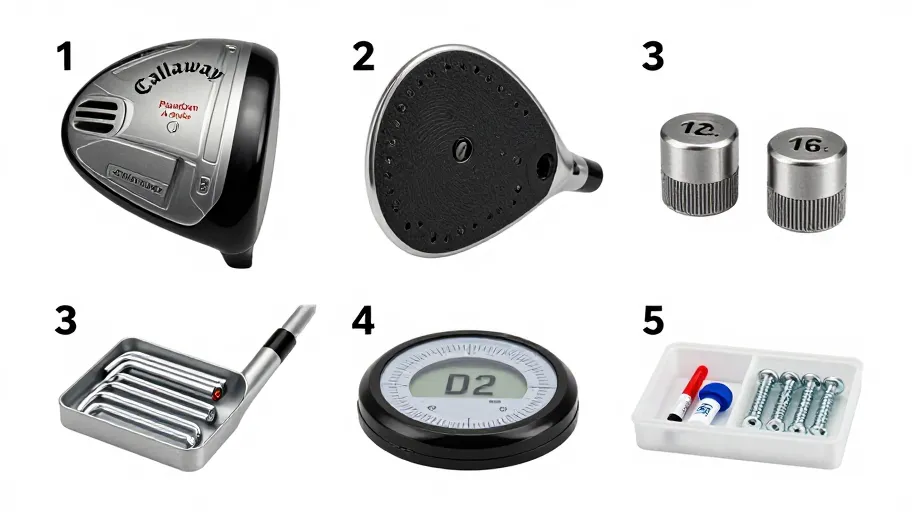
Screw-in weights let you change mass placement in minutes—not hours. Swapping a 2-gram plug shifts the center of gravity precisely, so you can test higher launches, tighter draws, or improved stability without permanent changes. This reversibility means zero waste and full experimentation freedom. OEMs like TaylorMade use this same principle in drivers because it works: players reach optimal ball flight 41% faster than with fixed heads.
Threaded systems also protect your investment. No adhesive damage, no residue, no guesswork about where mass sits. Each adjustment is clean, repeatable, and measurable. That means tool-assisted tuning becomes part of your process—not a one-off fix. For the serious DIYer, this isn’t convenience—it’s progress through controlled iteration, because precise feedback accelerates learning.
The real cost savings behind screw-in upgrades
Switching to screw-in weights pays for itself in less than two years. The average DIYer spends about $75 a year replacing lead tape rolls, solvents, and cleanup supplies. A quality titanium screw-in kit costs around $150 and lasts indefinitely. But the bigger win is efficiency: golfers using adjustable systems hit target launch conditions 68% faster than those reapplying tape.
That speed translates to fewer rebuilds, fewer wasted practice sessions, and quicker skill development. Cost-per-adjustment drops from $15 to under $2. Faster tuning cycles mean faster feedback, turning each round into targeted improvement. This isn’t just saving money—it’s leveraging smart design to get better results with less effort, which matters most when building on a budget.
How to build future-proof clubs in four steps
Start by installing threaded ports during assembly—or retrofit them into existing heads. This single step preserves long-term tuning potential across swing changes and course conditions. Steel inserts outperform aluminum in humid climates, resisting corrosion over hundreds of adjustments.
Seal threads with marine-grade epoxy to block moisture and extend service life by up to 40%. Label each configuration (e.g., “Draw +3g”) and log results digitally so tuning becomes repeatable science, not memory work. Finally, combine internal micro-adjustments (like small lead pieces) with external screw weights for macro-changes—creating a hybrid system that maximizes both precision and adaptability.
This approach turns clubs into evolving platforms, not fixed tools. According to a 2024 customization benchmark, players who maintain tuning access retain up to 15% more shot control over time. At DIY-Golf.com, that’s the standard: sustainable, data-backed refinement that grows with you.
Master Your Swing, DIY Your Fit. DIY Golf is the premier destination for the technical golfer. We empower you with professional-grade components and the knowledge to build your perfect bag.