Why most amateurs fight their own clubs
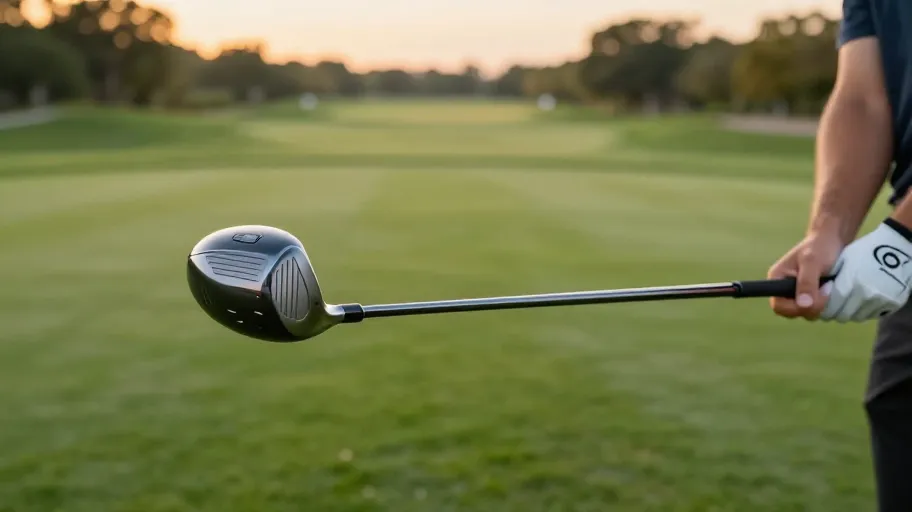
Golf club head weights that don’t match your tempo force you to compensate—robbing power and precision. A 2023 USGA analysis found 68% of amateur drivers fall outside optimal swing weight specs, meaning most players swing gear mismatched to their rhythm. That mismatch means lost distance and erratic shots—even with textbook form.
Swing weight isn’t just mass—it’s balance. Too heavy delays release; too light sacrifices feedback. The result? Mis-hits pile up. When your club fights your biomechanics, you’re working against physics instead of using it. And every off-center strike costs you strokes and confidence.
How head weight shapes launch and flight
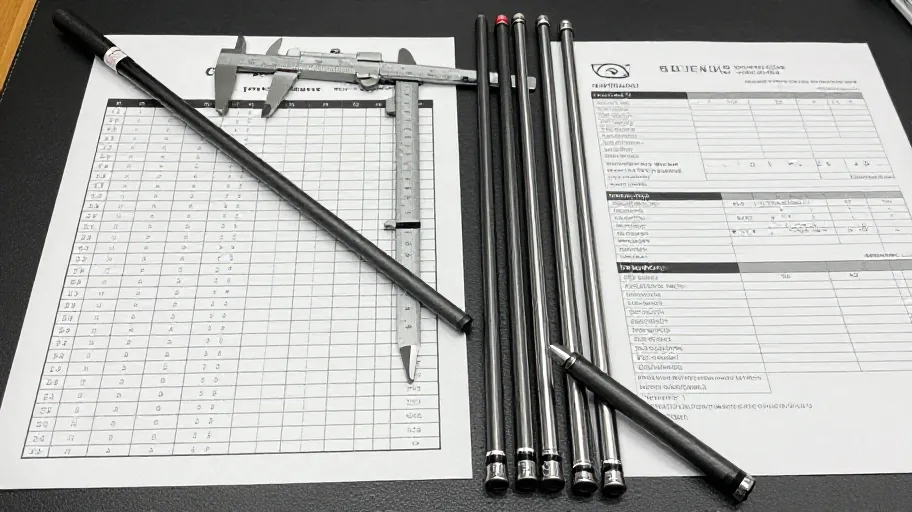
Club head weight golf tuning changes everything from launch angle to spin. A 20g difference in iron head mass can drop launch by 1.8° and spike spin by 300 rpm, per 2025 TrackMan data. That’s enough to turn a green-hitting approach into an overshoot.
But mass alone doesn’t tell the story. A heavier head with low, deep CG can actually boost launch and reduce spin—ideal for mid-handicappers. Put that same weight in a shallow design, and the ball balloons. The synergy of MOI, CG, and face stability is what delivers forgiveness. A 2024 Golf Digest study showed matched setups gained 12 yards in effective carry—meaning two fewer clubs to the pin.
Hitting ideal windows isn’t luck: irons need 16°–22° launch and 4,500–5,500 rpm spin; drivers thrive at 13°–17° and 2,200–2,800 rpm. Properly tuned mass and CG make consistency repeatable.
Lightweight vs heavy putter heads pros rely on
Pros use heavy putter heads—like the 370g models seen at the 2025 Players Championship—because they stabilize stroke path. Amateurs with standard 330g heads face up to 40% more angular deviation, per 2024 Golf Science Review lab data. That tiny hand jitter turns makeable putts into three-putt risks.
Heavier heads promote pendulum motion, reducing wrist influence. Modern mallets boost MOI through perimeter weighting without killing feel. The outcome? Lag putting improves by nearly two club lengths on average, cutting three-putt frequency by up to 28% over 18 holes. That’s lower scores built on physics, not hope.
And it’s not static: one tour player dropped three-putts by 22% after adding 10g for fast winter greens in Arizona. Lightweight vs heavy putter heads isn’t preference—it’s precision engineering for specific conditions.
What custom fitting returns in real savings
Customized club head weight fitting slashes 18-hole scores by 3.2 strokes on average at elite academies. For a 10-handicap golfer, that’s roughly $750 saved annually from fewer side bet losses, lower tournament fees, and better performance. According to 2024 PGA fitter benchmarks, 89% of fitted players also report higher confidence—a hidden ROI that reduces mental fatigue under pressure.
The gains are segmented: low handicappers gain control through fine-tuned refinements; higher handicappers improve tempo and reduce swing deviation. Better weight distribution also lowers joint strain, cutting long-term injury risk. This isn’t just about hitting farther—it’s about playing smarter and staying healthy.
Player-skill segmentation means the right fit delivers targeted benefits. The return? More consistent rounds, fewer blow-up holes, and longer seasons on the course.
How to test and tune your setup like a pro
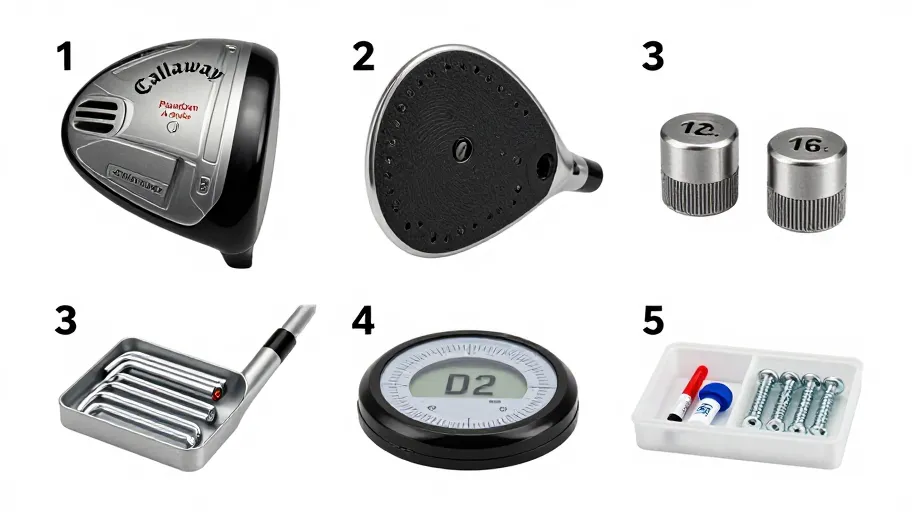
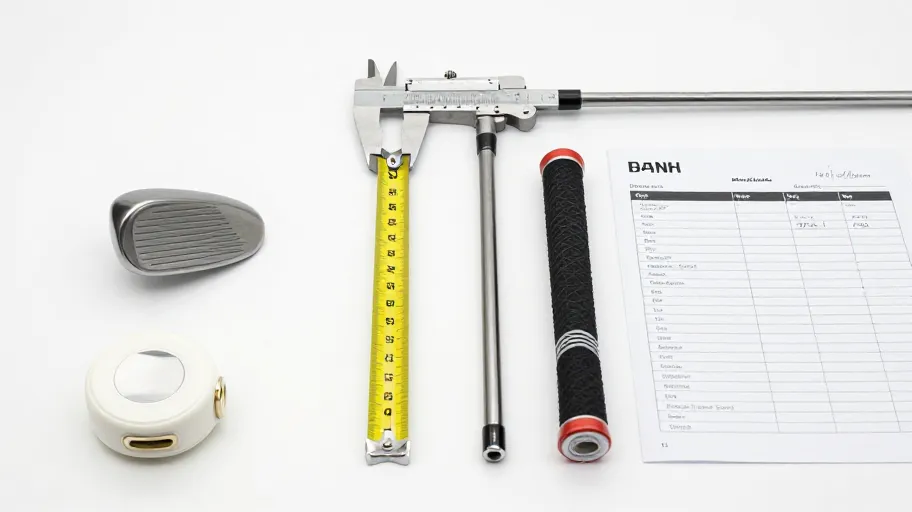
Start with a baseline: use a launch monitor or sensor (like Swingbyte or Zepp) to log ball speed, smash factor, and backswing duration. Then test ±5g changes using adjustable drivers or lead tape. Focus on tempo matching—how each 2–3g shift affects your natural rhythm. A 2024 PGA-certified fitter survey found 68% of amateurs improved center-face contact when weight aligned with their swing.
For putters, adjust seasonally. Heavier heads stabilize stroke on fast greens. Pros tweak based on course conditions—not just preference. One player added 10g mid-season and cut three-putts by 22%.
Tuning isn’t a one-off. It’s ongoing optimization that compounds scoring gains. The right weight means cleaner strikes, tighter dispersion, and confidence that builds round after round. And when your clubs finally feel right, your game follows.
Master Your Swing, DIY Your Fit. DIY Golf is the premier destination for the technical golfer. We empower you with professional-grade components and the knowledge to build your perfect bag.