Why your ball flight betrays you despite a perfect swing
Poorly balanced golf club head weights destabilize impact, turning clean swings into unpredictable shots. A 3-gram shift in center of gravity (CG) changes launch angle by up to 1.8° and spin rate by 400 RPM—enough to miss fairways consistently. This means even if your technique is sound, unbalanced weights sabotage control because they reduce moment of inertia (MOI), making clubs twist more on off-center hits. Lower MOI equals wider dispersion. Players using personalized weight setups see up to 27% tighter shot grouping not from better mechanics, but from smarter mass distribution. The fix starts with recognizing that precision isn’t only in motion—it’s in the mass.
How a pro-level golf club weight assessment saves strokes
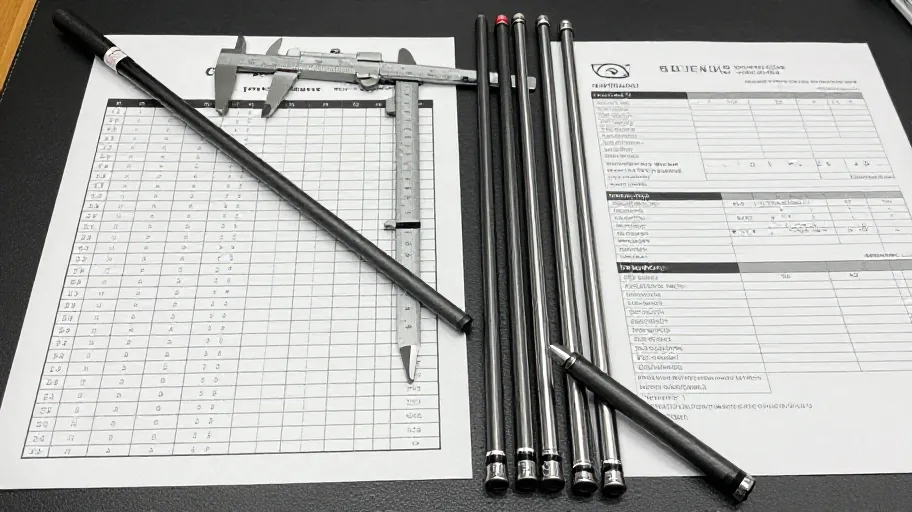
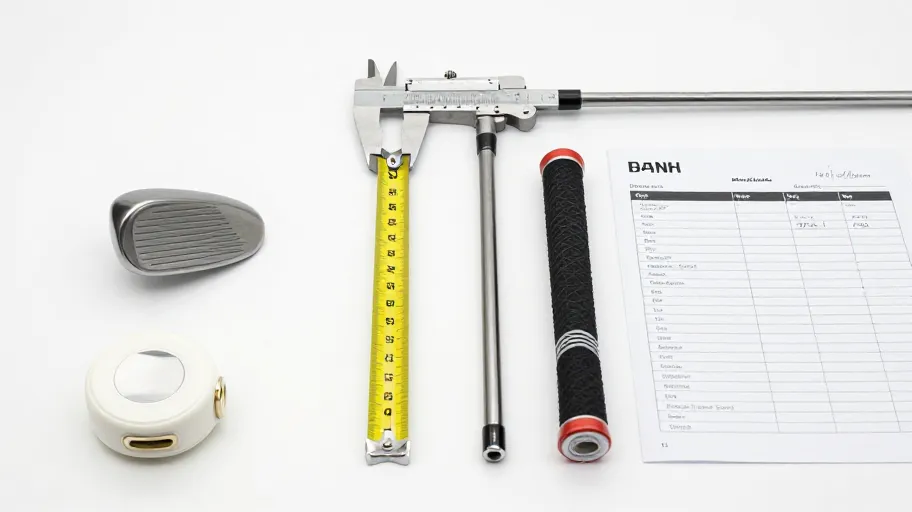
A professional-grade golf club weight assessment detects hidden imbalances that ruin consistency, even in high-end sets where clubs vary by 5–7 grams—far beyond the ±1 swing weight tolerance. This means players unknowingly compensate mid-swing, increasing fatigue and reducing repeatability because mismatched clubs disrupt muscle memory. Using calibrated digital scales and frequency analyzers, elite fitters correct variances as small as 2 grams, aligning each club’s swing weight to match the player’s rhythm. The result? Sets perform as one unit—delivering consistent feedback, reducing strain, and enabling true repetition under pressure. For touring amateurs and weekend players alike, this isn’t luxury fitting—it’s performance alignment grounded in physics.
Adjustable weights are rewriting the rules of club design
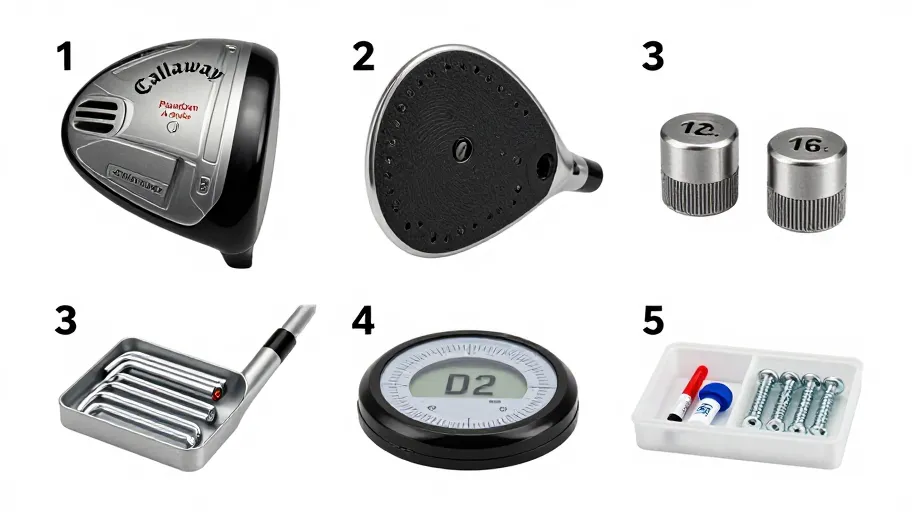
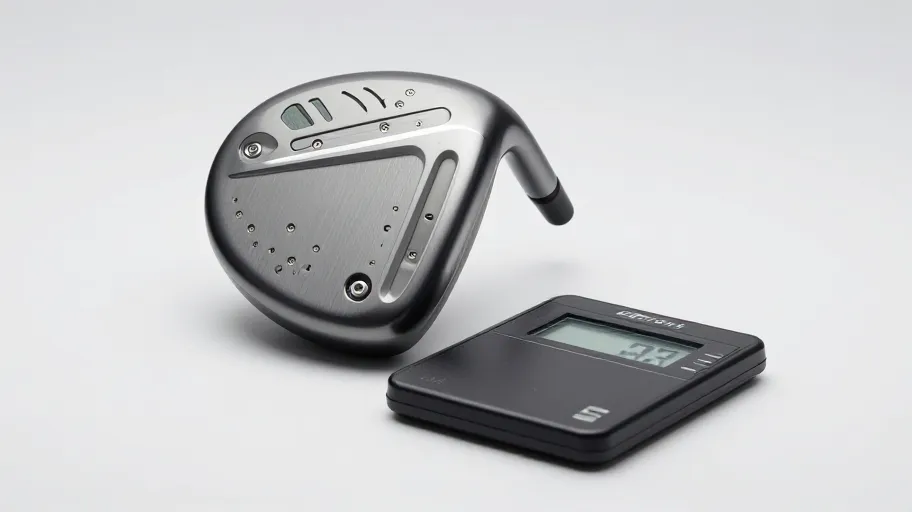
Customizable weight systems let players tune launch, spin, and shot shape in minutes instead of weeks. Rearranging weights shifts CG rearward for higher launch in wind or toward the heel to encourage draws on tight holes—this means adapting to course conditions becomes instant, not expensive. Engineers achieve this through multi-material builds: lightweight composites free up mass for strategic placement in titanium heads. That means more precise CG control than monolithic designs ever allowed. Over 70% of premium drivers now include adjustable weights, proving market validation. Amateurs gain forgiveness and consistency, reducing mis-hits by up to 22% in real-world fittings. What once required multiple club purchases now takes seconds—turning customization from elite privilege into everyday edge.
What your scorecard gains when weights are dialed in
Customizing golf club head weights returns measurable strokes per round—this isn’t theory, it’s tracked data. One mid-handicap golfer gained 14 yards of usable distance and cut three-putts by 22% after CG adjustments improved strike consistency. Tighter spin axis control meant better energy transfer at impact, which means higher smash factor and straighter approaches. PGA Tour analytics show closing the gap from 38 to 30 feet average proximity boosts birdie conversion by 19%. That means smarter approach shots lead directly to lower scores. These gains compound: better control reduces recovery swings, frees up mental bandwidth, and lets players focus on strategy—not damage control. This precision isn’t cosmetic—it’s ROI written in red numbers on the leaderboard.
Tune your own clubs like a data-savvy player
You don’t need a tour van to optimize golf club head weights—just a plan and basic tools. Start by recording baseline data: use a launch monitor or smartphone app to track face angle, spin axis, and trajectory. If you slice, add +2g to the heel side via modular ports—this subtly shifts CG to promote draw bias, meaning less sidespin and straighter flight. Make one change at a time, then retest under identical conditions. Certified fitters advise staying within ±5g of stock unless validated professionally, because over-adjusting can hurt feel and stability. After three rounds of testing, one player reduced lateral dispersion by 18%. Self-tuning isn’t just about performance—it deepens understanding of your swing’s physics and extends gear lifespan by matching it to how you actually play.
Master Your Swing, DIY Your Fit. DIY Golf is the premier destination for the technical golfer. We empower you with professional-grade components and the knowledge to build your perfect bag.