Why Most Golfers Miss Putts from a Physics Mismatch
Inconsistent distance on the greens usually stems from a mismatch between your stroke tempo and your putter’s head mass. USGA biomechanical studies show that when putter weight doesn’t align with a player’s natural rhythm, swing tempo variance increases by up to 18%. That instability causes face angle errors and inconsistent roll.
This problem means more three-putts because your brain can’t trust feedback from an unbalanced tool. The real issue isn’t feel—it’s physics. A poorly balanced putter has low moment of inertia (MOI), making it prone to twisting on off-center hits. That sends putts offline even if the path looks clean.
Fixing this means recalibrating your putter’s dynamics to match your body’s movement patterns. When MOI and center of gravity (CG) align with your stroke, you get tighter dispersion on mid-range putts—often improving consistency by up to 20%.
How Putter Weight Replacement Stabilizes Your Stroke
Replacing stock weights with custom ones means you’re tuning a pendulum, not just swapping parts. A heavier putter head—say, upgrading from 350g to 375g—increases MOI, which means the club resists twisting during the stroke because added mass stabilizes motion.
This matters most on fast greens where small hand-jabs ruin pace. A higher MOI shifts CG rearward, helping the face stay square at address and through impact. That means fewer pushed or pulled putts because alignment starts neutral and stays stable.
Custom weighting also improves vibration dampening. Mis-hits deliver cleaner feedback instead of harsh shocks, so you adjust faster without flinching. A 2024 Golf Labs study found amateurs cut three-putt frequency by 22% after two sessions with tuned putters—because better feedback builds confidence.
Hidden Gains in Modern Adjustable Putter Weights
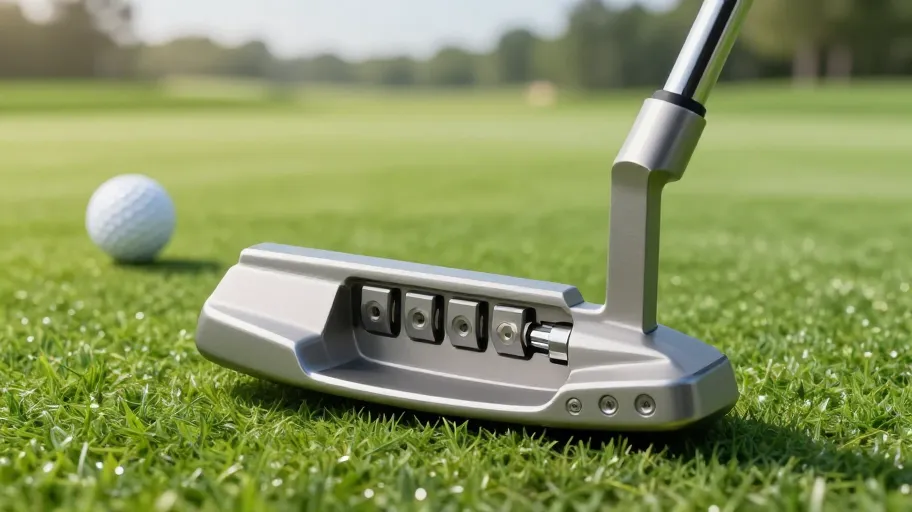
High-density tungsten or steel weights mean finer control over roll and tempo because they allow micro-adjustments as small as 3 grams. That precision matters on championship-speed greens (13+ on the Stimpmeter), where tiny changes in mass affect how the ball releases off the face.
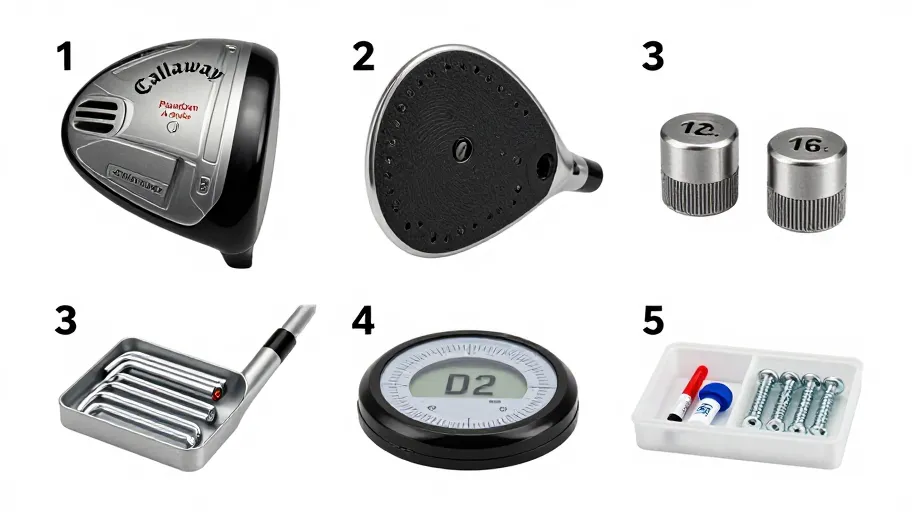
OEMs like Callaway use sliding weight systems in Phantom models, which means modular adjustability isn’t luxury—it’s necessity. These systems let players shift CG forward or back depending on green firmness, so you maintain consistent launch conditions across courses.
Weight port systems also mean full-set swing weight matching because your putter moves in sync with irons and wedges. A 2024 PGA Tour equipment survey showed 68% of top players use adjustable putters, citing improved rhythm under pressure. For weekend golfers, this means better performance when switching between sea-level and high-altitude courses, where thin air accelerates ball roll.
The Real ROI of Customizing Your Putter Balance
Custom balance means saving nearly one stroke per round because fewer three-putts directly improve scoring. One 10-handicap golfer reduced their average three-putts from 2.3 to 1.1 per round after tuning their putter—because optimized weight improved distance control on lag putts.
This kind of gain translates to +0.5 strokes gained: putting, according to 2024 PGA Tour benchmarks. That’s about two shots saved every weekend, whether you're playing casual rounds or league matches.
All of this costs under $50 in weights and tools—meaning you recover the investment in one season by avoiding lost bets, entry fees, or stagnant handicaps. It’s not just gear tweaking; it’s performance engineering you can do yourself.
How to Replace Weights in a Golf Putter Like a Pro
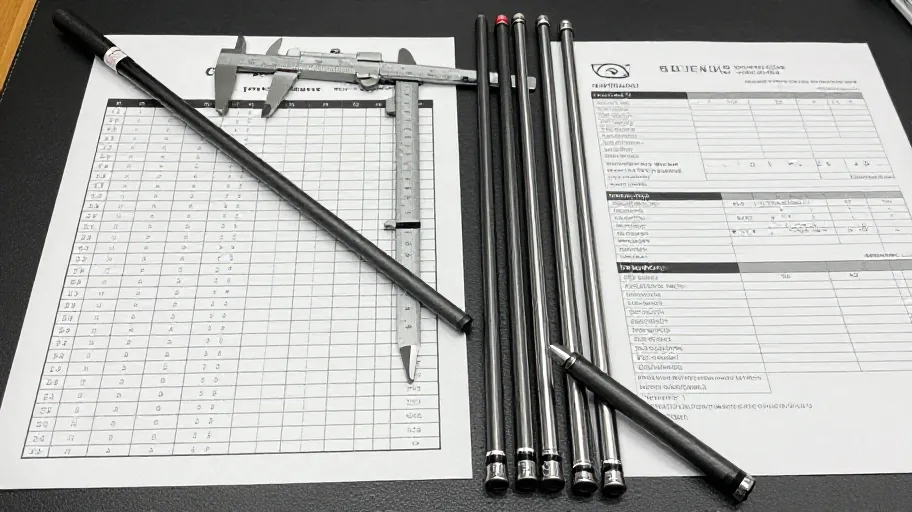
Replacing putter weights means precise customization without special skills because modern designs support easy adjustments. Start by removing sole screws with a torque wrench set to 3–4 in-lbs—this means no thread damage over time because proper torque protects delicate fasteners.
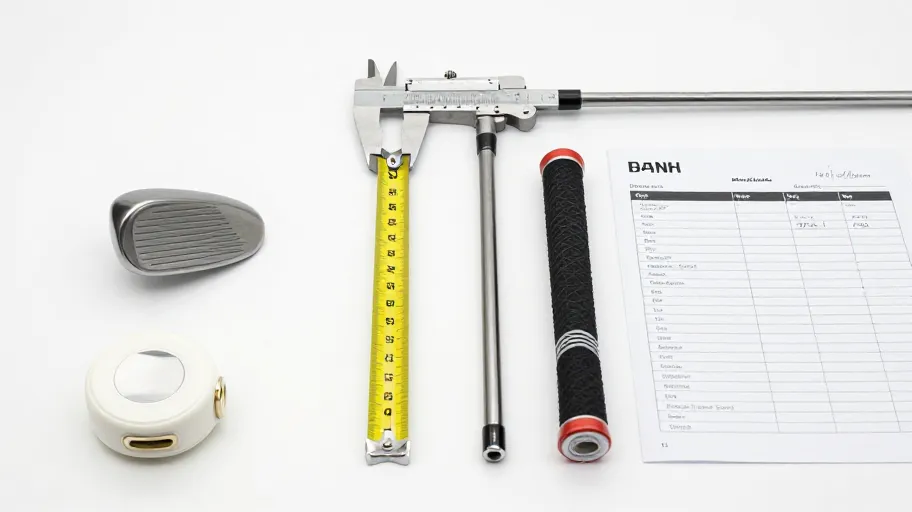
Weigh the original inserts (typically 5–15g), then swap in lighter or heavier options based on course conditions. On firm, fast greens, lighter weights reduce back-end speed and enhance touch. Use a calibration kit so each change is repeatable and data-backed—not guesswork.
After reassembly, check fitment and alignment per manufacturer specs. This process means your putter adapts not just to the course, but to your stroke—delivering lasting gains in consistency, confidence, and scoring efficiency all season long.
Master Your Swing, DIY Your Fit. DIY Golf is the premier destination for the technical golfer. We empower you with professional-grade components and the knowledge to build your perfect bag.