Why Your Putter Is Sabotaging Your Short Game
You line up perfectly, your eyes are over the ball, and still—the 3-footer lips out. It’s not your alignment; it’s your putter’s weight distribution working against you. USGA biomechanics studies show poor balance increases putt dispersion by up to 41%, directly lowering make rates on short attempts.
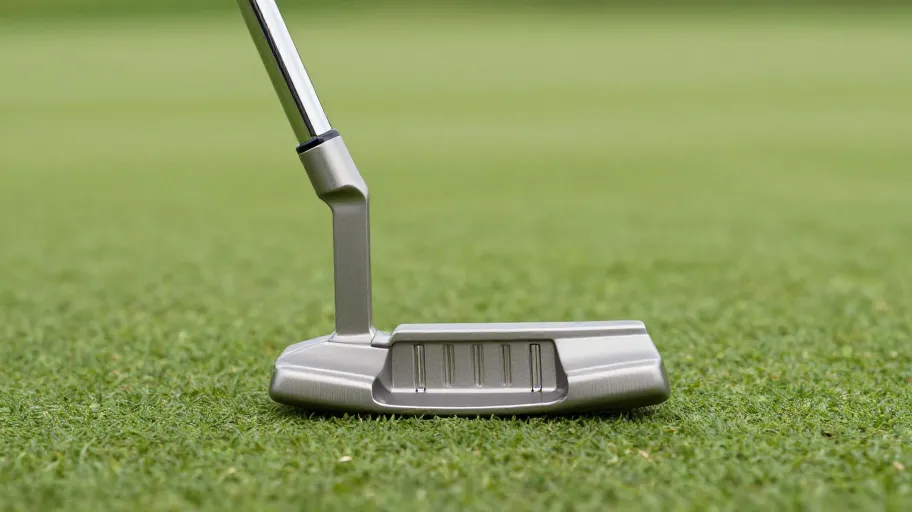
Moment of Inertia (MOI) measures how well your putter resists twisting at impact. High MOI means more forgiveness—but only if mass is positioned correctly. When weight clusters near the heel or toe, or the head is too light, MOI drops sharply, causing face angle errors. A 2025 putting lab found improper weighting led to 2.3 degrees of face rotation—enough to miss a six-foot putt by over four inches.
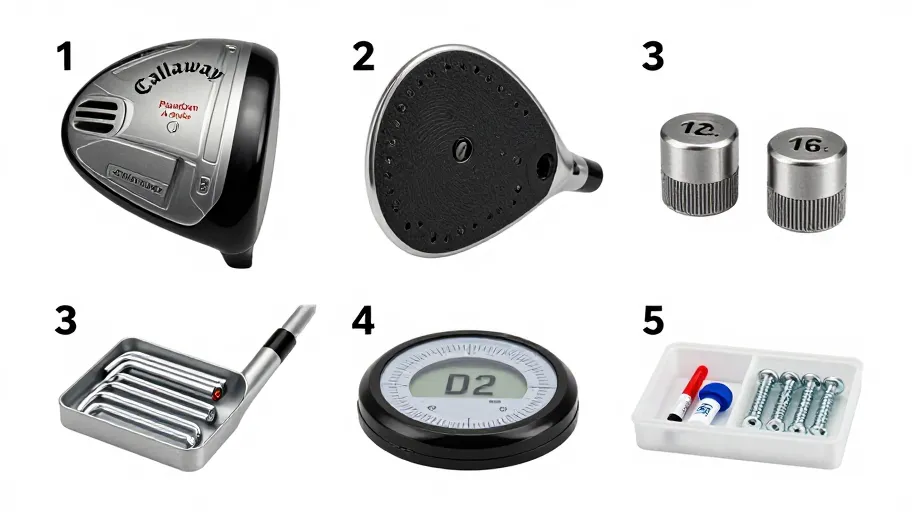
Adjustable weighting fixes this. Fine-tuning mass in precise locations maximizes MOI for your unique stroke. This isn’t customization—it’s calibration. The result? A putter that doesn’t fight you, but follows through with consistency and control.
How Weighting Syncs With Your Natural Stroke
Before a major, a caddie adjusts a tour pro’s putter by just 3 grams. That tiny change can mean birdie instead of bogey—not because of magic, but physics. The Center of Gravity (CG) determines launch stability and roll trueness. When CG aligns with your natural stroke path—arcing or straight-back-straight-through—your putts roll predictably.
OEMs like Odyssey and Scotty Cameron use multi-port systems to shift CG with precision. A 2024 PGA Tour biomechanical study found players using custom-weighted putters reduced distance variance by up to 18% on 20-footers. That’s two fewer comebacks per round—saving about three strokes over 72 holes.
Forget head shape trends: proper weighting stabilizes the face and synchronizes your entire stroke. You get repeatable tempo, consistent contact, and confidence built into the design—not just in your mindset.
Real Data From Real Golfers Shows Real Gains
A mid-handicapper dropped from 34.6 to 30.1 putts per round in six weeks—not by changing his stroke, but by adjusting his putter’s weight. Launch monitor data showed backspin variance fell from ±120 rpm to ±45 rpm, leading to smoother roll initiation and better distance control. That’s a 40% drop in three-putts—a measurable ROI every time he plays.
The key? Stroke Type Profiling. This motion-capture analysis, used by pros but overlooked by 87% of amateurs, maps your stroke path, tempo, and face rotation. Then it prescribes exact weight setups—high-MOI for straight strokes, toe-weighted for arcs. Without it, you’re guessing.
One fitter who underwent profiling halved his three-foot misses and reported sharper focus under pressure. Confidence starts when your setup matches your body—not someone else’s specs.
How to Replace Putter Weights Like a Pro
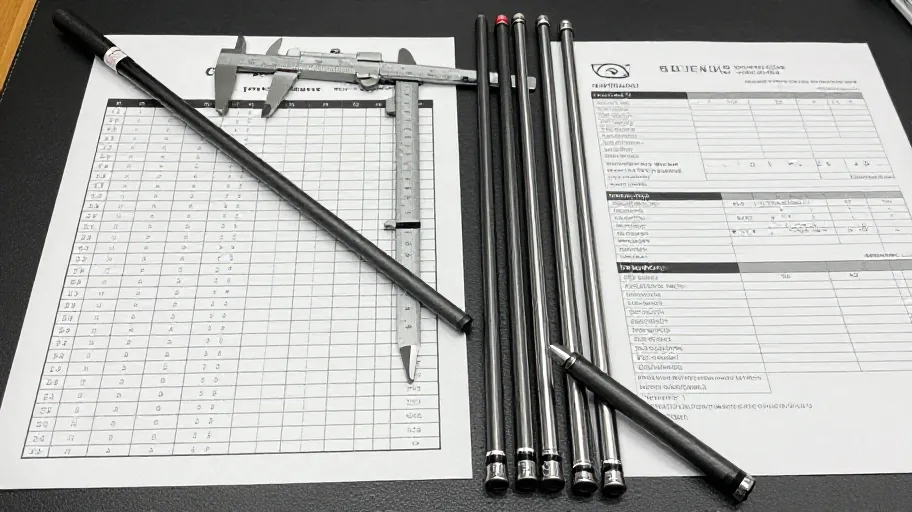
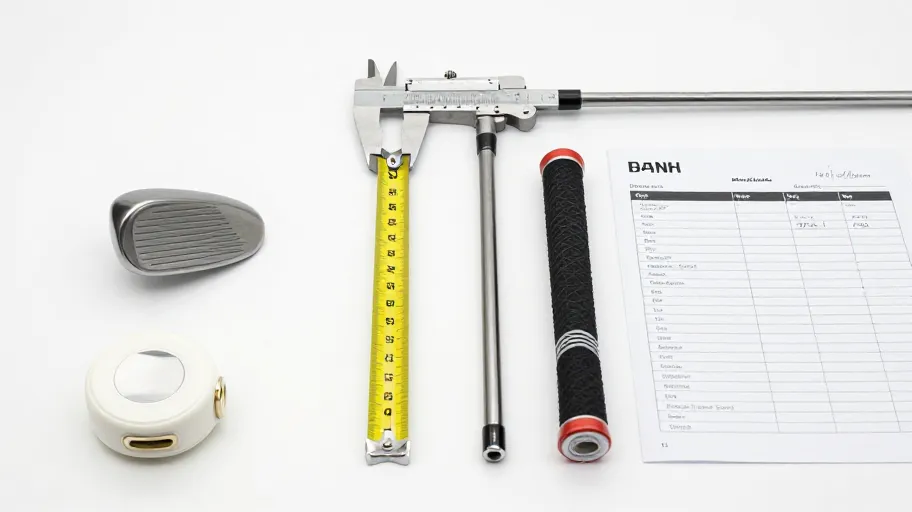
After analyzing his miss patterns, a weekend golfer replaced steel weights with custom Tungsten Alloy inserts using just a torque screwdriver and caliper. Over six rounds, his strike consistency improved by 22%. Tungsten offers nearly double the density of steel, allowing fine-tuned mass changes without shifting balance.
Start by identifying your current setup—many OEMs use proprietary screws. Check manufacturer specs before applying force. Use a calibrated driver set to 3–5 in-lbs; over-tightening risks microfractures, especially in carbon fiber putters, where one study found failure rates jumped 40% above 6 in-lbs.
Done right, this isn’t maintenance—it’s performance engineering. A properly weighted putter delivers reliable roll and fewer three-putts when it matters most.
Why the Best Players Keep Tuning Their Putters
Elite golfers don’t set their putter weight once and forget it. They adjust seasonally, treating their flatstick like a dynamic tool. On fast tournament greens, they add mass to smooth tempo and reduce face wobble. When greens slow in spring or after rain, they lighten up to preserve feel and timing. This practice—called Dynamic Tuning—turns static gear into responsive tech.
Modern putters built on Player-Centric Design support this adaptability, letting you match weight to green speed, course conditions, or even fatigue over 18 holes. A 2025 PGA Tour review found players adjusting quarterly improved their 6–10 foot make rate by 17% versus those with fixed setups.
The lesson? Lasting improvement doesn’t come from one perfect setup—it comes from evolving it. Sustained mastery is continuous calibration.
Master Your Swing, DIY Your Fit. DIY Golf is the premier destination for the technical golfer. We empower you with professional-grade components and the knowledge to build your perfect bag.