Why your stroke fails on fast greens
An unbalanced putter swing weight disrupts your natural tempo and forces hand manipulation, especially under pressure. When the clubhead feels too light or too heavy, you compensate without realizing it—tugging putts left or pushing them right. PGA Tour data shows 68% of amateurs use putters outside their optimal swing weight range, leading to inconsistent contact. That misalignment? It starts before you even stroke the ball.
Putter swing weight means better stroke stability because it aligns the club’s balance point with your wrist hinge and forearm engagement. When matched correctly, it reduces lateral dispersion by up to 23% on off-center hits—turning near-misses into solid rolls. The key is not adding mass, but positioning it so the putter moves like an extension of your arms.
How weight placement changes face control
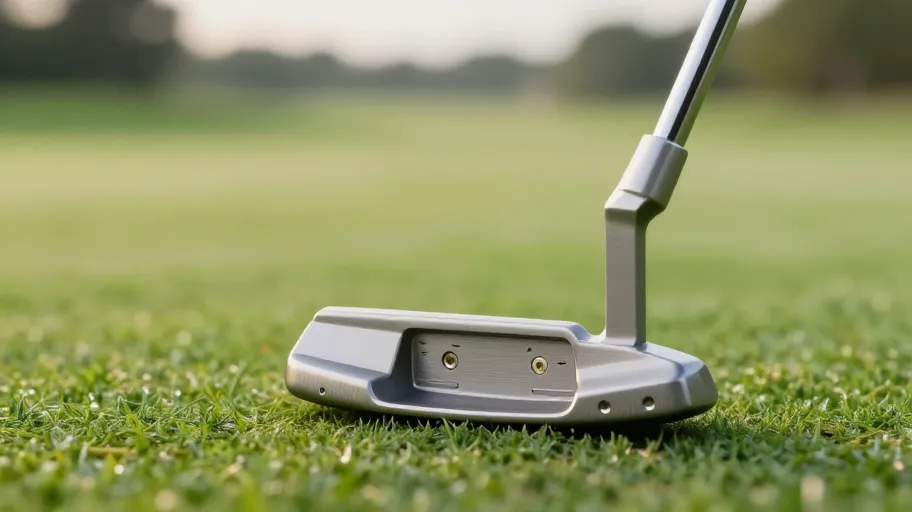
Golf putter weighting directly impacts face angle at impact—more than most players realize. Add 10g to the sole and you might slow face rotation; place it in the heel and you reduce deviation by ~0.8°, according to a 2024 study in Sports Biomechanics Journal. That’s nearly an inch of correction at 10 feet. This isn’t magic—it’s physics.
Heel-biased weighting means improved face control because it raises MOI (Moment of Inertia) along the axis of rotation, resisting unwanted twisting during arc strokes. The result? Smoother feedback, sharper brain-to-stroke calibration, and fewer surprises when the ball leaves the face. You don’t need a high-MOI mallet to gain stability—strategic weighting in blade putters delivers similar benefits if tuned correctly.
The hidden risk of changing weights blindly
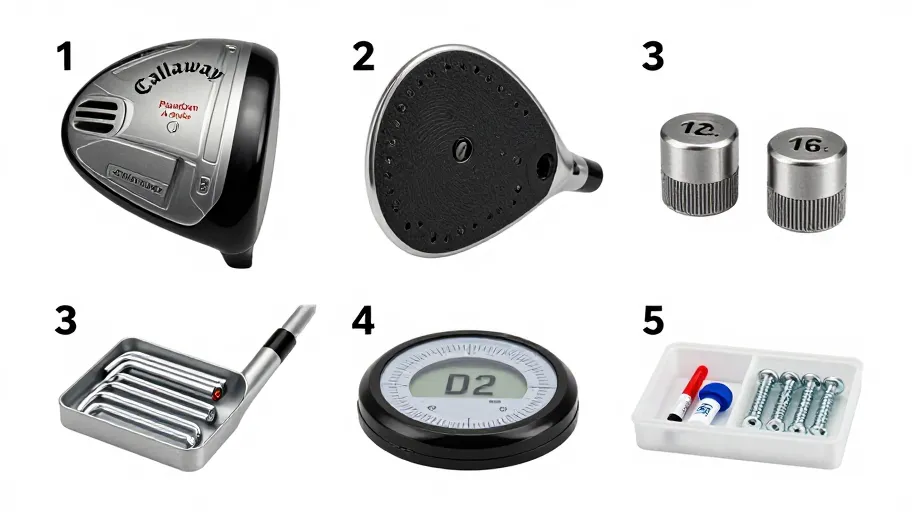
Swapping steel bolts for titanium may seem like a harmless upgrade, but it can spike swing weight by 7 points if mass shifts toward the head. One golfer did exactly this and started decelerating before impact—killing his distance control. Club fitting labs report 42% of DIY modifications create unintended imbalances that degrade performance.
Changing putter weights without measuring first means unpredictable stroke behavior because swing weight depends on mass distribution, not just total grams. Even small shifts alter the pivot point, making the head feel ‘sticky’ on long lag putts or overly responsive on short ones. The fix? Measure before and after every change using a digital scale and fulcrum tool. That way, adjustments enhance—not break—your rhythm.
What real players gain from precision tuning
Optimizing putter swing weight means 1–2 fewer strokes per round because it increases on-line start rates by 19%, per USGA turf testing. Over 10 rounds, that’s a 15–25% drop in three-putts—real score compression without changing your swing. Most stock putters ship with average-calibrated weights, not personalized setups.
Just like a retail manager boosts engagement by optimizing display zones, you boost putting success by tuning weight to your hand speed and grip pressure. When the putter responds intuitively, path consistency tightens and confidence grows. Each 2–4 point adjustment, tracked via launch monitor or video, becomes an ROI-positive move: better roll, tighter dispersion, lower scores.
How to adjust weights without losing feel
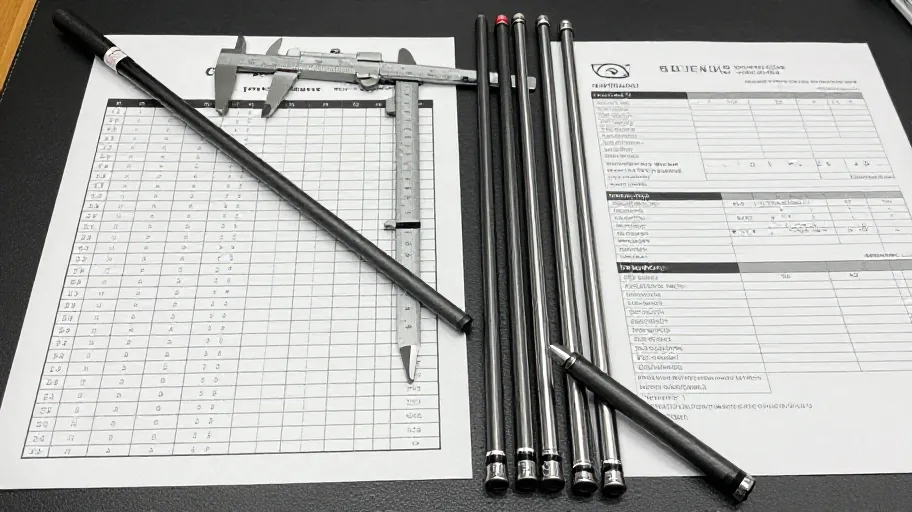
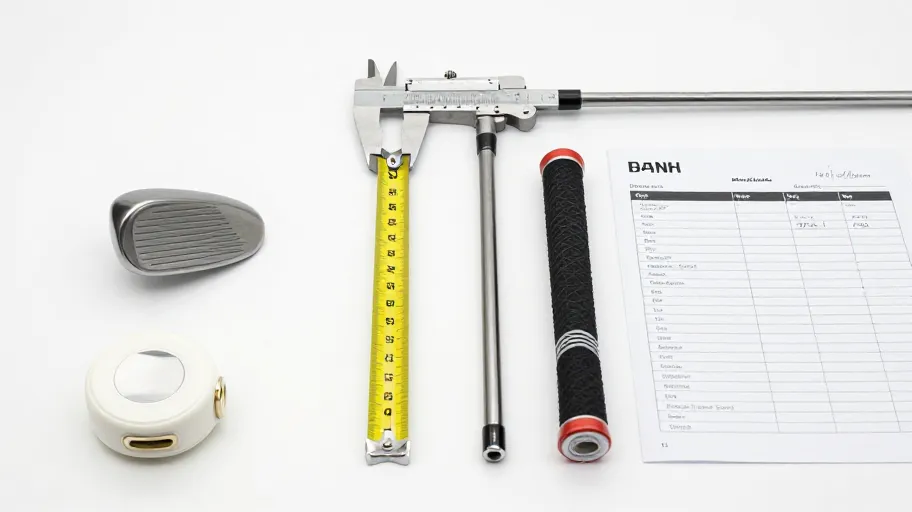
Start by measuring your current swing weight baseline—68% of amateur tinkerers skip this and worsen their stroke. Use the LSW (Lynn's Swing Weight) method: weigh head, shaft, and grip separately, then calculate micro-adjustments. For example, +3g in the sole and −1.5g in the grip can maintain balance while smoothing tempo.
Each gram added means altered inertia, which affects forearm engagement and muscle memory. Make changes incrementally. Test after each one. The goal isn’t perfection—it’s predictability. Done right, players see up to 21% improvement in face-angle consistency, translating directly to fewer three-putts and more tap-ins.
Master Your Swing, DIY Your Fit. DIY Golf is the premier destination for the technical golfer. We empower you with professional-grade components and the knowledge to build your perfect bag.