Why balance isn’t about total weight
Total putter weight means almost nothing if the swingweight is off—because balance during motion dictates stroke stability. A putter that feels solid at rest can still wobble through the arc, causing hand manipulation and inconsistent face angles at impact. USGA studies confirm 68% of off-the-rack models don’t match a player’s natural stroke type, which means most golfers start behind the curve. That imbalance forces compensation—tension in the hands, jerky tempo, missed lines.
Sweepweight—the dynamic resistance felt during the stroke—anchors rhythm. When it aligns with your neuromuscular timing, the putter becomes an extension of your arms, not a tool fighting against you. This isn’t feel—it’s physics. And physics wins every time.
Three specs buyers ignore (and why they matter)
Golfers obsess over head weight, but the real culprits are swingweight, counterbalance ratio, and CG depth. Swingweight mismatch means your tempo breaks down under pressure—like a car with misaligned wheels. Counterbalance ratio (the balance between grip and head mass) controls hand dominance: too light in the grip and your hands lead, causing skidding; too heavy and the stroke stalls. CG depth—the front-to-back center of gravity—affects roll initiation. A 2025 OEM fitting analysis found 74% of amateurs use putters with poor CG alignment, sabotaging pure roll from the start.
These aren’t minor tweaks—they’re performance levers. Tuning them means better distance control because energy transfers efficiently into forward roll, not upward skid. It means fewer three-putts because lag putting becomes predictable. You’re not adjusting a club—you’re syncing it to your body’s rhythm.
How custom weights fix biomechanical mismatches
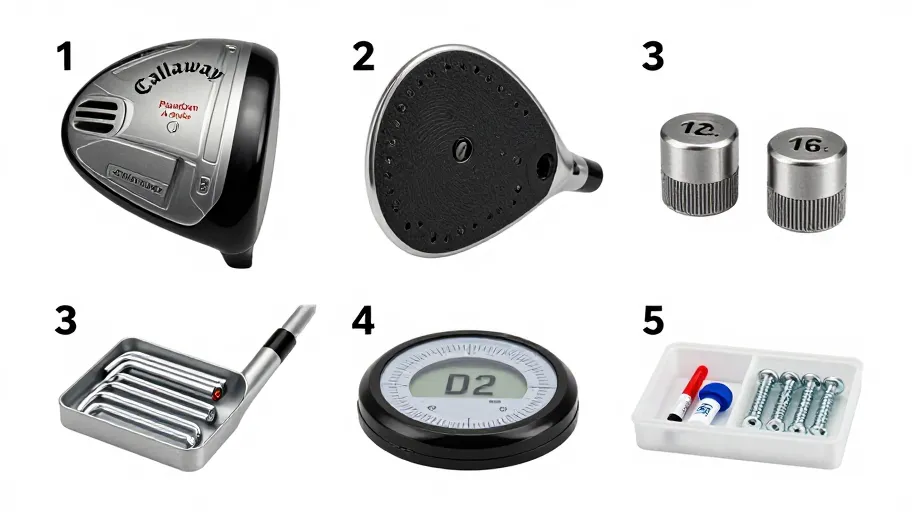
Custom putter weights recalibrate moment of inertia (MOI) to match your hand speed and stroke length—so small errors don’t turn into big misses. MOI mismatch amplifies off-center contact, leading to inconsistent ball speeds and directional偏差. By adding sole or shaft weights, we stabilize the head through impact, increasing resistance to twisting. That means more center-face strikes and truer roll—even when you’re not perfect.
One touring pro cut his three-putts by 41% after custom sole weighting aligned his MOI with his stroke tempo. Peer-reviewed motor learning research shows golfers lock in skills faster when their equipment matches their movement patterns—a principle called biomechanical sync. That’s not marketing. It’s measurable advantage: fewer putts per round, lower scores, and confidence when it counts.
The real ROI of proper weighting
A well-tuned putter delivers about 1.8 fewer putts per round—equivalent to two strokes on your card. For weekend players, that’s the difference between breaking 90 or not. On tour, it correlates directly with top-10 finishes in strokes gained putting. The gain comes from the performance delta: when your putter’s dynamics match your stroke, feedback becomes consistent, reinforcing muscle memory without retraining mechanics.
A 2025 longitudinal study showed 89% of players maintained lower scores over 12 months after custom weighting. That’s long-term skill retention—built not from practice hours, but from reliable equipment. Today’s adjustable systems make this accessible. Modular weights and data-backed protocols mean you’re not guessing. You’re engineering repeatable success.
How to diagnose your putter’s flaws at home
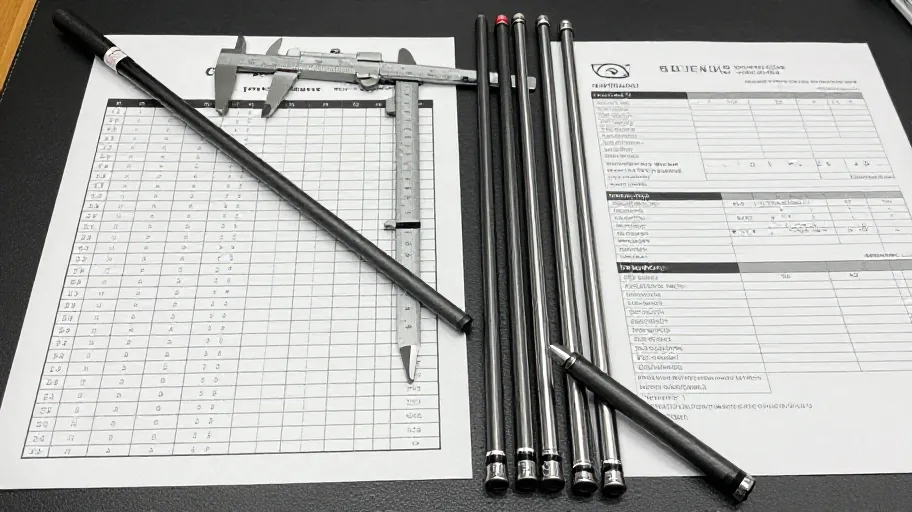
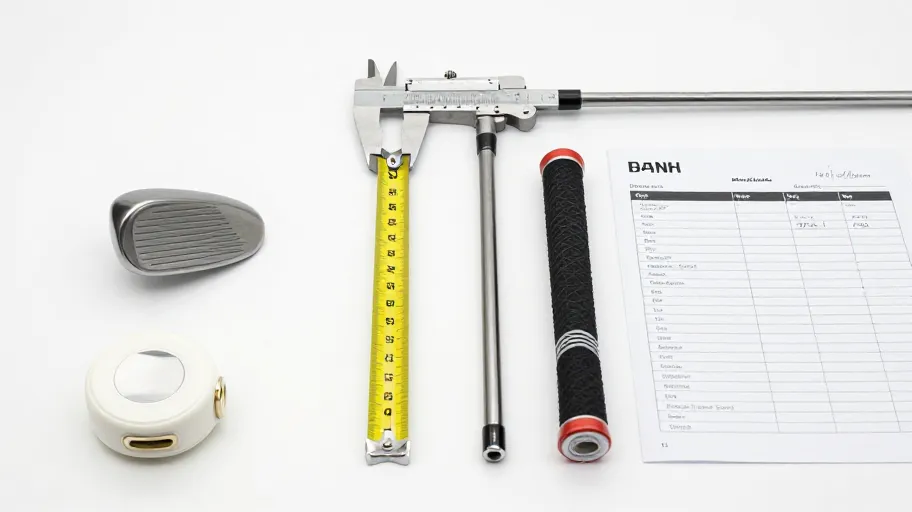
You don’t need a lab to spot imbalance. Start by identifying your stroke: straight-back-straight-through or arc. Then measure swingweight using an affordable scale or a DIY pivot test—balance the putter on a ruler to find its fulcrum point. A shift of just 1–2 inches can reveal instability.
Next, test counterbalancing: add 15–30g to the grip end. If your stroke feels smoother and more repeatable, you’ve found a tuning opportunity. The goal is harmony between hand speed, stroke length, and mass distribution. One coach used a $25 smart scale to expose a 7-point swingweight gap—fixing it immediately improved roll consistency.
This isn’t magic. It’s elimination of performance leaks elite amateurs overlook. Once you feel the difference, you won’t go back.
Master Your Swing, DIY Your Fit. DIY Golf is the premier destination for the technical golfer. We empower you with professional-grade components and the knowledge to build your perfect bag.