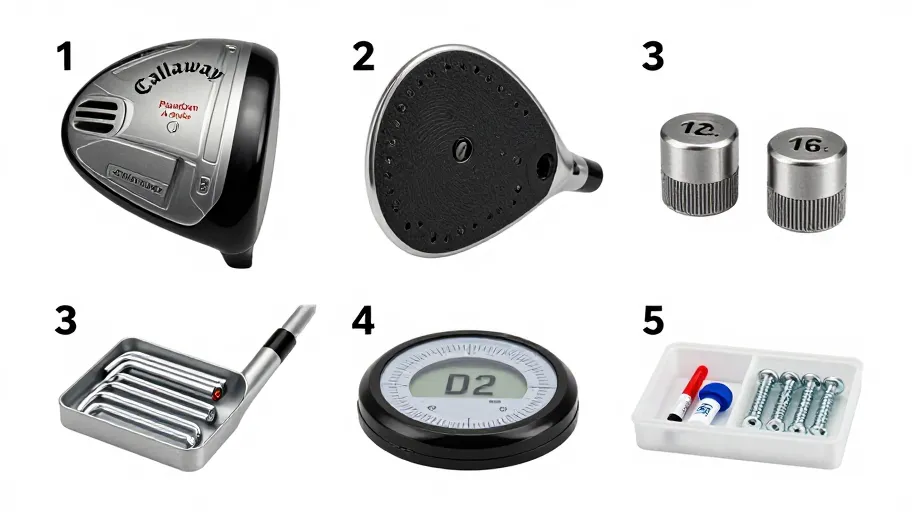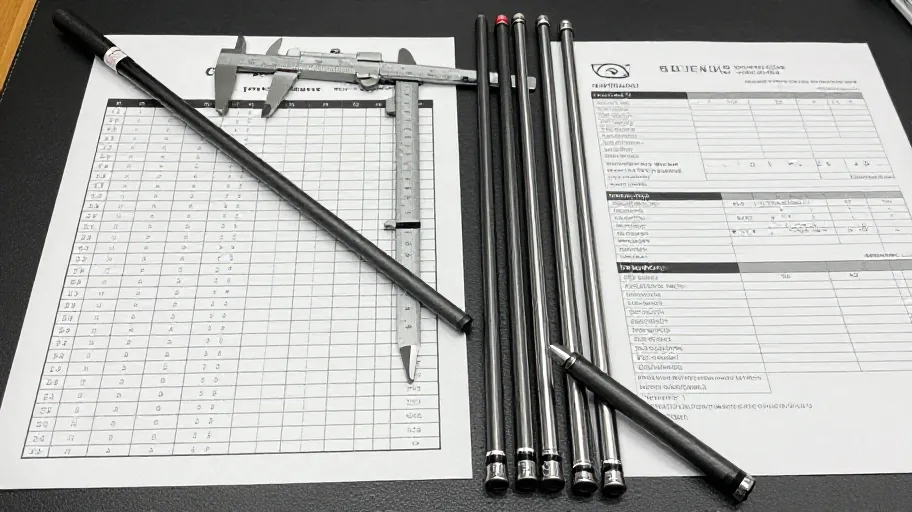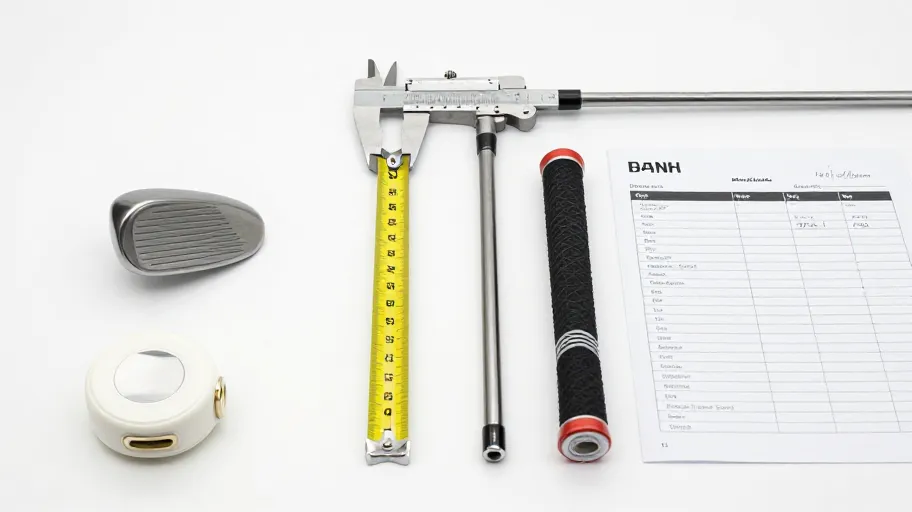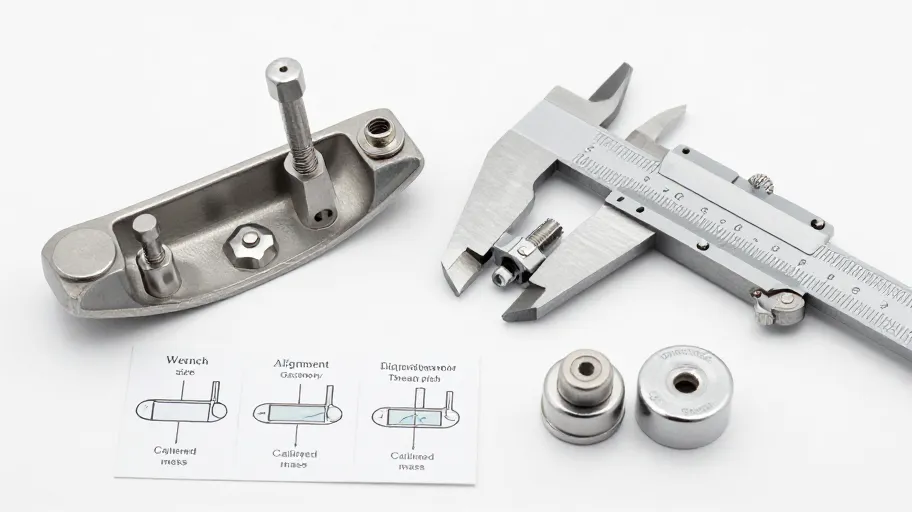
Selecting replacement putter weights requires matching thread pitch, sole geometry, and material density to your specific club model. Use the W.A.T.C.H. Fitment Protocol: verify Wrench size, evaluate Alignment geometry, confirm Thread pitch, validate Calibrated mass, and check Hole depth. Document all measurements before sourcing components.
The W.A.T.C.H. Fitment Protocol
Replacing putter weights is a precise modification process. You must compare the physical geometry of the existing component against potential replacements. The W.A.T.C.H. protocol provides a structured method to document variables before making a sourcing decision.
W: Wrench size
Verify the exact tool required to remove and install the weights. Using an incorrect tool can damage the fastening mechanism. Document the wrench size required for the specific putter model.
A: Alignment geometry
Compare the sole geometry. Weights must sit flush with the putter sole to prevent turf drag. Evaluate the shoulder angle, base curvature, and outer flange dimensions to ensure the replacement component aligns with the putter head housing.
T: Thread pitch
Identify the exact thread specifications. Mismatched threads will prevent the weight from seating securely. Measure the thread diameter and pitch distance to verify compatibility with the putter's threaded inserts.
C: Calibrated mass
Determine the target mass required to achieve the desired swing weight. Use a calibrated scale to measure the existing weights. Calculate the mass differential needed to reach your specific swing-weight goal.
H: Hole depth
Measure the depth of the weight port. The replacement weight must have a corresponding length that allows it to seat completely without bottoming out or protruding. Confirm the depth of the blind hole against the length of the new component.
Putter weight comparison decision table
Use this decision table to organize your sourcing data. You must populate the cells with verified measurements from your specific putter and the proposed replacement components.
| Evaluation Criteria | Existing Component | Proposed Replacement A | Proposed Replacement B | Verification Status |
|---|---|---|---|---|
| Wrench size required | [Enter size] | [Enter size] | [Enter size] | [ ] Confirmed |
| Sole alignment geometry | [Enter profile] | [Enter profile] | [Enter profile] | [ ] Confirmed |
| Thread pitch and diameter | [Enter specs] | [Enter specs] | [Enter specs] | [ ] Confirmed |
| Calibrated mass (grams) | [Enter mass] | [Enter mass] | [Enter mass] | [ ] Confirmed |
| Weight port hole depth | [Enter depth] | [Enter depth] | [Enter depth] | [ ] Confirmed |
| Material density and grade | [Enter material] | [Enter material] | [Enter material] | [ ] Confirmed |
Concrete approval questions
Before finalizing any component selection, present these questions to your supplier or use them to evaluate product listings:
- What is the exact thread pitch and diameter of this putter weight?
- Does this component feature a flat bottom or a curved sole intended to match a specific putter family?
- What is the documented mass tolerance for this specific component?
- What material grade is utilized in the construction of this weight?
- Which specific wrench size is required for proper installation?
Frequently asked questions
How do I identify the correct thread pitch for my putter weights? You must measure the existing component using a thread pitch gauge and caliper. Compare these measurements against the specifications listed for the replacement component. Confirm the current policy directly regarding fitment documentation.
Can I change the material of my putter weights to adjust the mass? Different materials offer different densities, which impacts the physical size of the weight required to achieve a specific mass. You must verify the material grade and density of the replacement component. Document how the material change interacts with the putter head geometry.
What happens if the replacement weight protrudes from the sole? A protruding weight will alter the putter's interaction with the turf and can negatively impact the stroke. You must validate the hole depth and length of the replacement component to ensure it sits flush. Compare the shoulder geometry of both components.
Are putter weights interchangeable across different models from the same brand? Interchangeability depends on the thread pitch, port depth, and sole geometry of the specific models. Do not assume compatibility across different generations or families without verifying the physical dimensions. Document all measurements to confirm compatibility.
How do I calculate the mass needed to adjust my swing weight? You must use a reliable swing-weight scale to measure your current configuration. Calculate the mass differential required to reach your target swing weight. Review the swing-weight guide for detailed calculation methods.
Call to action
Review the swing-weight guide to calculate the exact mass differential needed for your putter modification.
Pre-purchase verification checklist:
- Document existing wrench size
- Trace sole alignment geometry
- Measure thread pitch and diameter
- Record calibrated mass of current weights
- Measure weight port hole depth
- Verify replacement component dimensions
- Confirm the current policy directly
Master Your Swing, DIY Your Fit. DIY Golf is the premier destination for the technical golfer. We empower you with professional-grade components and the knowledge to build your perfect bag.