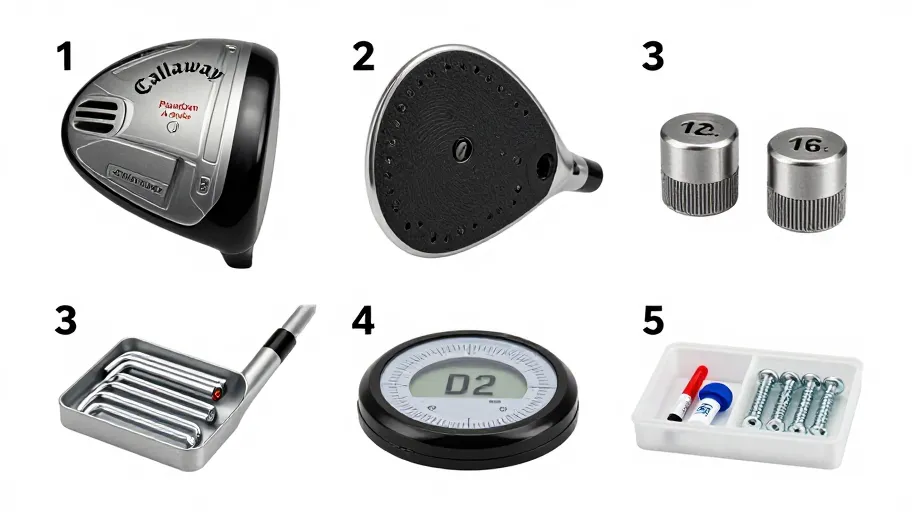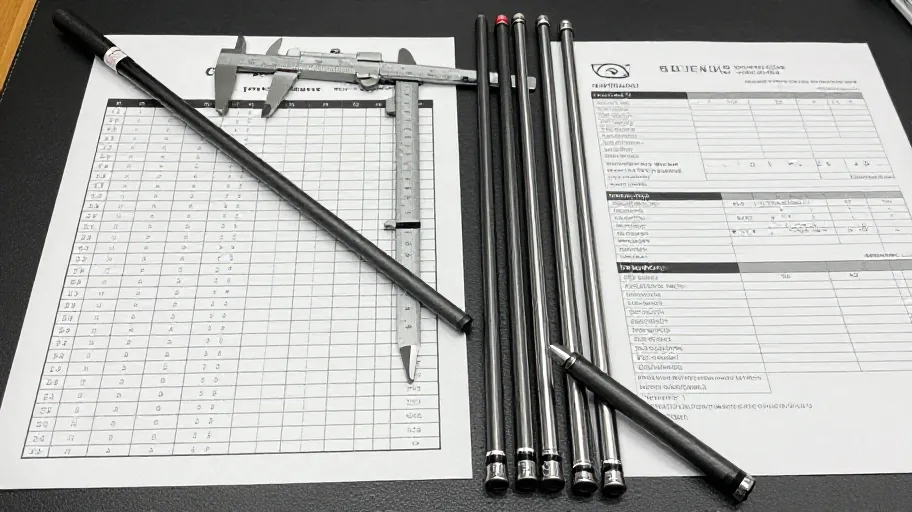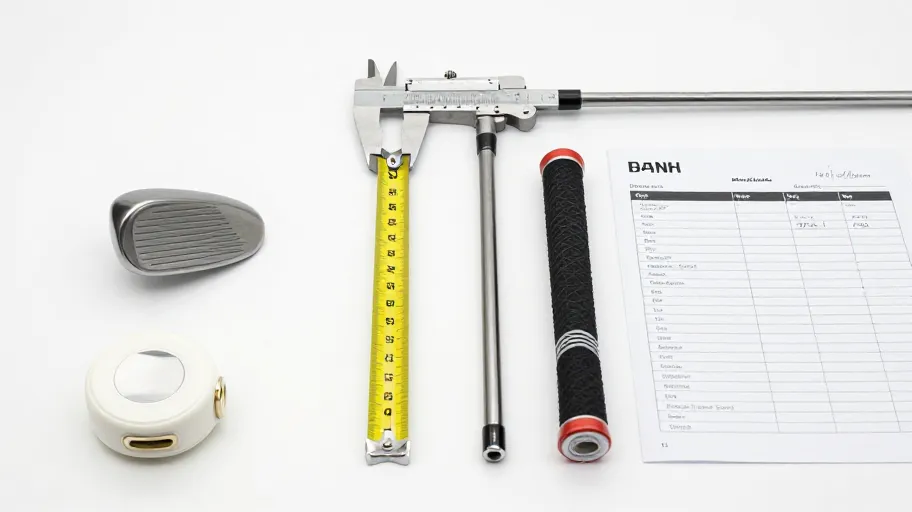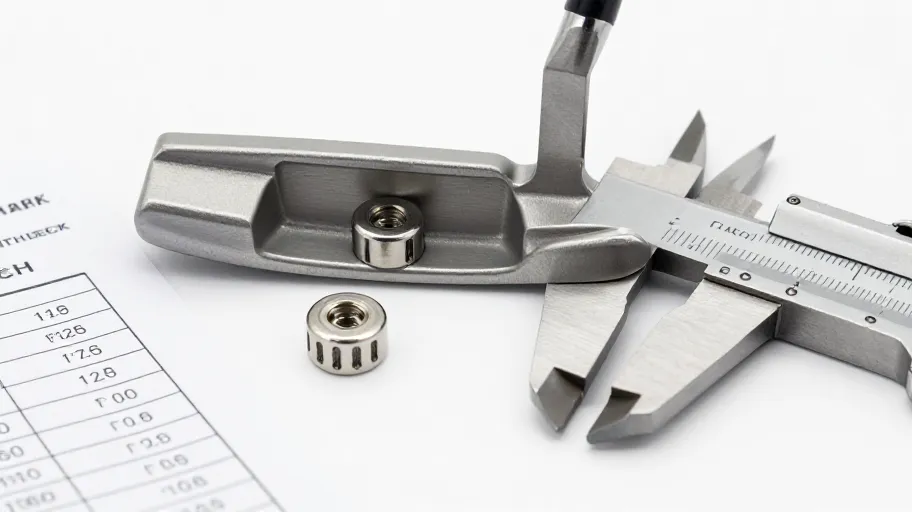
Replacement putter weights cause rework when buyers match grams but not geometry: the thread or attachment system, pocket depth, driver shape and seat tolerance of the exact putter model go unverified, so the part arrives and does not seat correctly. This guide gives you a repeatable verification framework — MATCH-CHECK — so you compare putter weights on documented specifications, not on the headline mass printed beside a product photo.
Why gram values are the least useful number on the page
When you research putter weights, the first number you see is mass. Mass matters — it changes head feel and total static weight — but mass alone tells you nothing about whether the component installs. A gram-matched weight with the wrong thread pitch, a shallow pocket, or an incompatible driver interface is scrap the moment you open the packet.
Rework shows up in three ways:
- Fitment rework. The weight threads in partway, bottoms out, or spins without seating. The putter is out of play until the correct part arrives.
- Balance rework. The weight fits, but the set only achieves one heel-toe combination, so the intended stroke-weight setup cannot be completed.
- Tooling rework. The weight seats but the driver you own does not engage it, or the kit omits the small parts needed to complete installation.
Each of these traces back to a specification that was never confirmed before purchase. The fix is procedural, not technical: ask a fixed set of questions, in the same order, every time.
The MATCH-CHECK framework for comparing putter weights
Use MATCH-CHECK to structure every replacement-weight comparison. It is a purchasing discipline, not a brand recommendation, and it applies whether you are sourcing for a single putter or a bench full of client builds.
- M — Model confirmation. Record the exact brand, family, model name, generation and any marking on the sole or weight pocket. Weight interfaces can differ between generations of the same family, so "same model name" is not sufficient evidence. Confirm with the seller that the listed weight is documented for that exact model and generation.
- A — Attachment system. Identify whether the putter uses threaded weights, a sliding or interchangeable system, an adjustable cartridge, or a press-fit component. The seller's listing must state the system explicitly; if it does not, ask before ordering.
- T — Thread and interface detail. For threaded weights, request the thread specification — pitch, diameter, direction and length — in writing. Do not infer it from photographs. For non-threaded systems, request the interface dimensions and engagement method.
- C — Calibration options. Establish which mass increments are available within that system and whether heel and toe positions accept different masses. This determines how much stroke-weight adjustment is actually achievable, as opposed to advertised.
- H — Heel-toe balance plan. Decide your target balance before purchase. Document which combination of heel and toe masses achieves it, and confirm both positions are available in the correct increments.
- C — Contents confirmation. Ask what the purchase includes: single weights, pairs, O-rings, screws, washers or tools. A "weight" listing that omits required companion parts creates a second order and a second delay.
- K — Kit and tooling requirements. Confirm which driver or wrench engages the weight, and whether it is included. Cross-compatible tools must be verified, not assumed.
- E — Evidence before approval. Approve the purchase only when every item above is answered in writing for the exact product and model, with fitment confirmed by the seller for your recorded model and generation.
Decision table: spec gap to verification step
| Specification gap | Risk if unconfirmed | Verification step before purchase | Evidence to keep |
|---|---|---|---|
| Model generation not recorded | Weight fits a different generation, not yours | Confirm brand, family, model, generation and sole markings with seller | Seller's written fitment confirmation |
| Attachment system unstated | Wrong component class entirely | Require the listing to state threaded vs interchangeable vs press-fit | Listing text or seller reply |
| Thread detail unknown | Partial engagement, cross-threading, or no seating | Request thread pitch, diameter, direction and length in writing | Quoted specification |
| Pocket depth and seat tolerance unknown | Weight sits proud, loose or bottoms out | Ask for pocket depth and seat interface dimensions; confirm against your putter's service information | Dimensional answer, dated |
| Mass increments unclear | Target balance unreachable | Confirm available increments per position | Availability statement |
| Kit contents unlisted | Missing small parts stall the build | Ask for a complete contents list | Contents confirmation |
| Tool compatibility assumed | Weight installed incorrectly or damaged | Confirm required driver, and whether included | Tool statement |
| Policy terms unread | Unknown return or exchange path if the part does not fit | Confirm current return, exchange and stock policy directly for this item | Policy confirmation with date |
Approval questions to put to the seller
Group these into one message so answers arrive together and can be filed with the build record.
Fitment
- Is this weight documented to fit [exact brand, family, model, generation]?
- What thread or interface specification applies, stated in full?
- What pocket depth and seat geometry does the component assume?
Balance and range
- Which mass increments are available for this system?
- Can heel and toe positions run different masses?
- Are weights sold individually, in pairs, or in sets — and which do I need for my stated balance target?
Contents and tools
- What exactly is included in this purchase?
- Which driver engages the weight, and is it included or sold separately?
Policy
- What is the current stock position for this item?
- What is the current return or exchange policy if the part does not fit my documented model?
- What is the current shipping arrangement to my location?
None of these answers can be assumed from category pages or prior orders. Policies and stock change; confirm each one at the point of purchase for the exact item.
Spec-sheet checklist before you order
Use this checklist as the delivery gate for your own decision — do not approve the order until every line is complete.
- Exact putter model, family and generation recorded
- Attachment system identified and stated by seller
- Thread or interface specification received in writing
- Pocket/seat geometry confirmed against model information
- Target heel-toe balance combination selected and available
- Mass increments confirmed for both positions
- Full kit contents listed
- Tool requirement confirmed, included or sourced
- Stock position confirmed
- Return/exchange and shipping policy confirmed directly, with date
- All answers filed with the build record
FAQ
How do I know which putter weights fit my putter? You confirm, not infer. Record the exact model and generation, identify the attachment system from the putter itself or its service information, then ask the seller to confirm fitment for that model and to state the thread or interface specification in writing. Photographs and gram values are not fitment evidence.
Do heavier putter weights change swing weight? Yes — adding mass to the putter head increases total static weight and raises swing weight, but the size of the change depends on where the mass sits relative to the balance point and the length of the build. Plan the change from a measured starting point rather than an estimated one. Review the swing-weight guide below to work through the calculation for your configuration.
Should I buy putter weights individually or as a set? Decide from your balance plan, not from the listing layout. Map the heel-toe combinations you want to achieve, then check which masses are available individually versus bundled. Confirm kit contents in writing so companion parts — screws, O-rings, tools — arrive with the weights.
What if a weight fits the thread but sits proud of the sole? That points to a pocket-depth or seat-geometry mismatch, which is a specification gap rather than an installation error. Stop before forcing the component, document the fit with measurements and photographs, and raise the mismatch with the seller against their stated seat geometry and their confirmed policy for this purchase.
Can I reuse the original weights when changing balance? If the original components are undamaged and the target mass falls within the available increments, yes — but verify the condition of threads and seats during disassembly, and confirm the increments you need before assuming the existing set covers them.
Next step
The specification work above gets a weight installed correctly. To plan what the new mass does to the feel of the build, review the swing-weight guide and run the numbers for your exact head mass, length and grip configuration before you finalise the order.
If you are still narrowing down components, start with the spec-sheet checklist above — it takes one message to the seller and one page of notes, and it is the difference between a weight that seats first time and a bench full of rework.
Master Your Swing, DIY Your Fit. DIY Golf is the premier destination for the technical golfer. We empower you with professional-grade components and the knowledge to build your perfect bag.