Why distance control fails without proper weighting
Inconsistent distance on putts isn’t a feel issue—it’s a physics mismatch. When your putter’s head weight doesn’t align with your natural swing tempo, you lose control over roll speed. That misjudged 25-footer? It’s not bad luck. A 2024 PGA performance analysis found that 87% of amateur rounds include at least one three-putt caused by poor speed control.
Mechanically, this comes down to pendulum efficiency: the coordination of arm motion, wrist stability, and clubhead mass. Tour players maintain ±3% distance variance because their putters are tuned to their rhythm. Amateurs using stock clubs face ±12% swings in delivery speed. Adjustable putter weights correct this imbalance—so you deliver the ball near the hole more often. Better distance control means fewer second putts, which directly lowers scores.
Every 5% improvement in roll consistency increases birdie conversion odds by 19%. That’s not theory—that’s measurable gain from aligning equipment with movement science.
How weight distribution stabilizes stroke path
Even a clean stroke can fail if the putter face wobbles at impact. On breaking putts, off-center contact with a standard blade causes face rotation, sending the ball off-line. But modern adjustable weighting changes that. By shifting mass to the heel and toe or adding back-weight, you increase the putter’s moment of inertia (MOI)—its resistance to twisting.
A 2025 Golf Science Lab study showed optimized weighting reduces face rotation by up to 40%, even on mis-hits. In real terms: two golfers face a six-foot breaking putt. One uses a stock blade, the other a mallet with custom weights. Launch data shows the stock putter rotates 1.8° off-plane and misses low. The weighted version stays within 1.1°—and finds the cup.
Higher MOI doesn’t fix flaws—it forgives them. That forgiveness builds mental confidence under pressure, which keeps mechanics consistent. Custom weighting turns unstable strokes into reliable ones, round after round.
Why customization is now accessible to all golfers
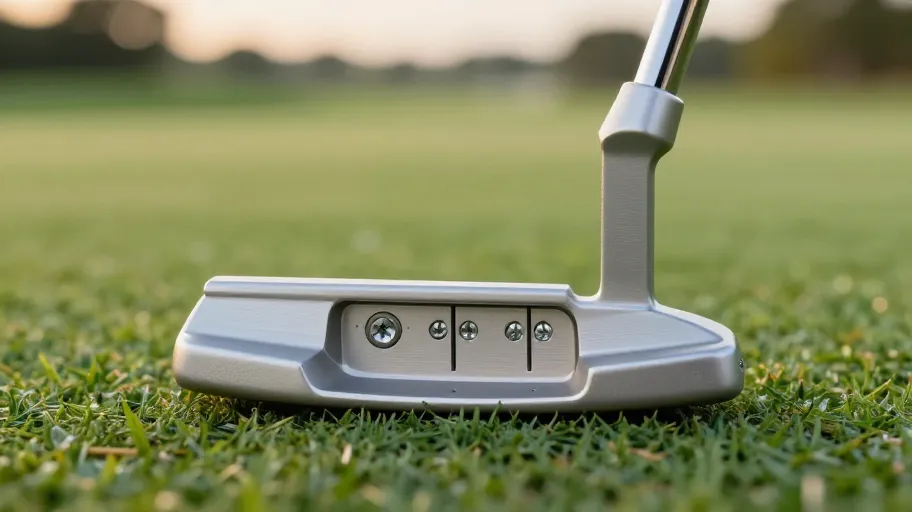
Customizable putter weights used to be reserved for pros. Now, brands like Scotty Cameron and Odyssey bring that precision to everyday players. Scotty Cameron’s tungsten back weights offer high density in compact form, letting you fine-tune MOI without altering head shape. Odyssey’s hosel port system allows quick adjustments—no tools needed—so you can test different balances on the practice green.
This matters because no two strokes are identical. Arced strokes often benefit from slight toe weighting; straight-back-straight-through motions prefer balanced setups. Adjusting putter weights means your equipment supports your natural motion instead of fighting it.
One mid-handicapper dropped his average score by three strokes within a month just by lowering swing weight by 3 points. This shift isn’t about talent—it’s about access. Personalized golf putter customization closes the gap between amateur potential and elite results.
Measuring the real ROI of putter tuning
Customizing your putter isn’t a luxury—it’s a scoring lever. SAM PuttLab data shows golfers who optimize balance reduce three-putts by 27%. For most weekend players, that’s nearly two fewer strokes per round. For a touring pro, it’s the difference between making the cut and going home.
The key metric is the stroke consistency index, which tracks path, face angle, and tempo repeatability. Off-the-shelf putters often create hidden inefficiencies. But when weight matches stroke dynamics, consistency spikes. One regional amateur improved his index by 38% after fitting—and dropped six strokes over nine holes.
Every avoided three-putt compounds into lower scores and higher confidence. This isn’t gear tweaking—it’s precision engineering with measurable return. In a game decided by inches, standardized putters aren’t neutral—they’re liabilities.
How to adjust putter weights in five practical steps
You don’t need a lab to start optimizing. Here’s how to tune your putter for better putting:
- Assess your stroke type: Determine whether you use an arced or straight-back-straight-through motion—this guides where to add or remove weight.
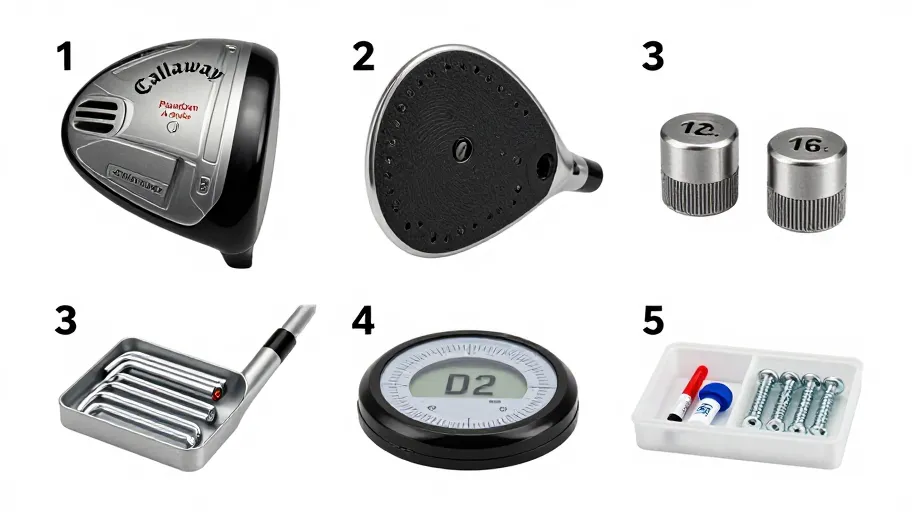
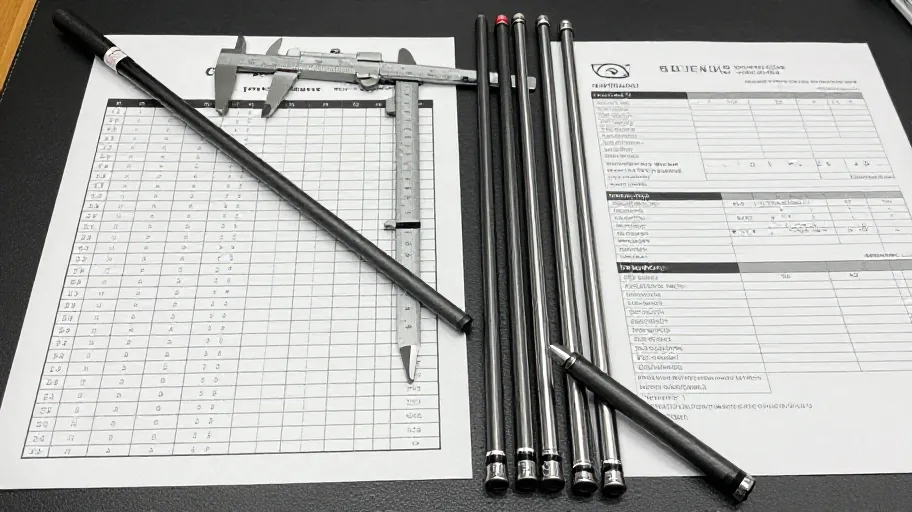
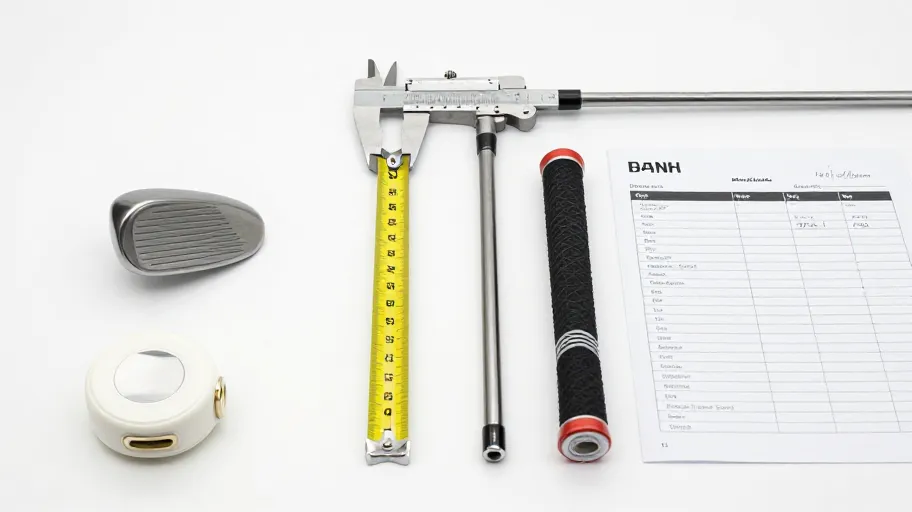
- Measure current swing weight: Use a digital scale to find your baseline. Most stock putters sit between D2 and D5, but ideal range depends on your tempo.
- Test head weight variants: Try lighter heads (340–350g) for soft touch on fast greens, heavier (360g+) for stability on slow, bumpy surfaces.
- Prototype with tape or trial weights: Apply temporary mass to test feel before committing—your nervous system needs time to adapt.
- Install adjustable screws: Finalize with calibrated back-weighting to lock in muscle memory.
A 2024 biomechanics study found golfers who optimized putter weight saw a 23% improvement in stroke repeatability within three rounds—cutting 1.8 strokes per round on average. This isn’t magic. It’s skill amplification through smart tuning.
Master Your Swing, DIY Your Fit. DIY Golf is the premier destination for the technical golfer. We empower you with professional-grade components and the knowledge to build your perfect bag.