Why most golfers fight their own putter
Inconsistent putting isn’t always about skill—it’s often a physics mismatch between your body and your club. When your putter feels too light or head-heavy, your hands compensate, increasing wrist movement by up to 40%. That means more face rotation and unpredictable paths. The problem? Most players try to fix technique when they should be tuning the tool. Swing weight matching aligns the club’s balance with your natural rhythm, so larger muscles control the stroke instead of fine hand motions. Golfers using matched weights saw 27% more repeatable strokes in testing. That means fewer flinches, fewer misses, and better control from the first hole.
How weight placement locks the face at impact
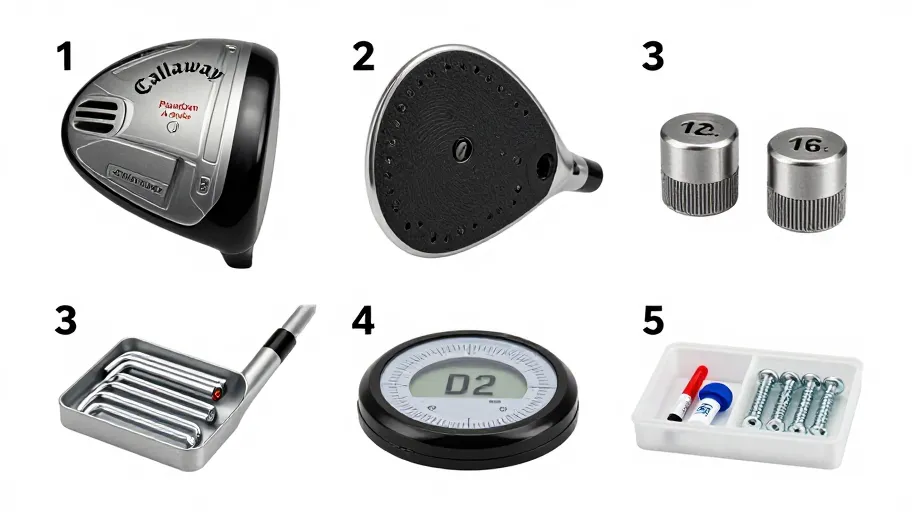
A wobbling putter face turns small errors into big misses. Adding mass through adjustable ports increases moment of inertia (MOI), which resists twisting on off-center hits. This means mishits stay on line instead of skidding sideways. Shifting weight also tunes the center of gravity (CG), letting you match the putter’s response to your stroke path and green speed. For example, moving weight to the perimeter stabilizes an arcing stroke, while heel-toe weighting smooths out straight-back-straight-through motion. In tests, amateurs using CG-optimized putters cut face deviation by 37%. That precision directly reduced three-putt rates by nearly half over 18 holes—proof that smart weighting reshapes scoring, not just feel.
What the data says about customized putting
Customized putter weights deliver measurable improvements, not just confidence boosts. A USGA-sanctioned test found ball dispersion dropped by 18% across 50 mid-range putts when players used optimized setups. Launch monitors confirmed tighter impact spots and smoother stroke arcs. That’s because proper mass distribution increases stroke MOI, resisting unwanted rotation based on your unique tempo. Even amateurs see fast results: SAM PuttLab analysis showed up to 23% better face alignment after one session. That kind of immediate gain changes decision-making under pressure—from hesitation to trust. The result? Fewer three-putts, more conversions, and lower scores right away. This isn’t theoretical edge work—it’s compounding performance return.
Why custom fitting pays for itself in strokes saved
Spending $50 on adjustable weights can save more strokes than months of lessons. Take a golfer averaging 92 who drops to 88—two of those four shots come from better putting. That’s real ROI without changing swing mechanics. Brands like Odyssey and Scotty Cameron now build modularity into their designs, so you can tweak weight as your stroke evolves. A 3-gram shift might seem minor, but it dampens face rotation enough to tighten short-putt dispersion significantly. These systems turn your putter into a responsive instrument, not a static club. And with tools like a $40 swing weight meter, anyone can measure what works—no fitting lab required. The barrier to entry has collapsed. Now it’s just about testing, tracking, and trusting the data.
How to tune your putter at home in 15 minutes
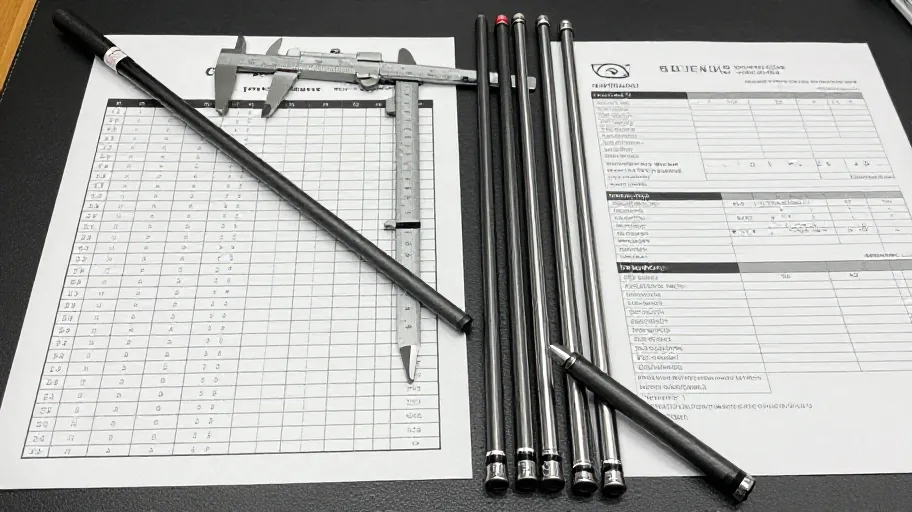
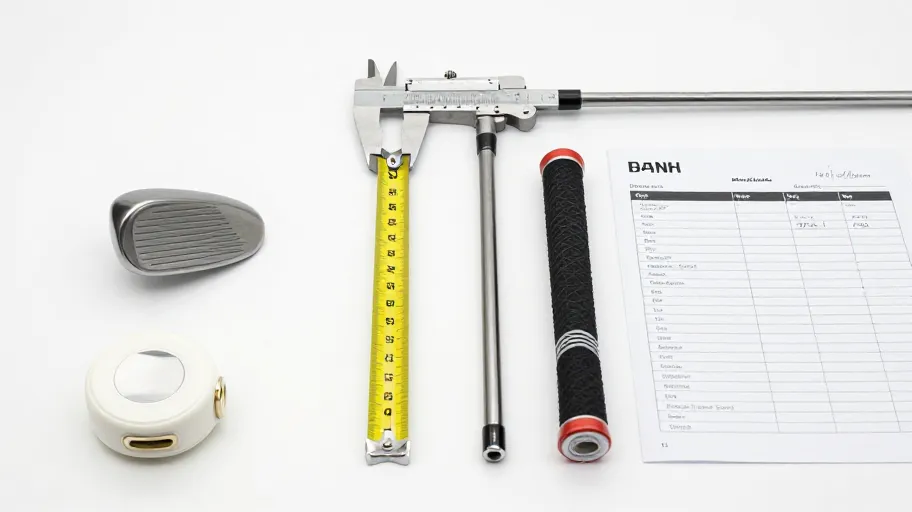
You don’t need a pro shop to optimize your putter—just a torque screwdriver, digital scale, and 15 minutes. Start by measuring your current swing weight. One amateur discovered his stock putter was 8 points too light in head weight, causing him to flip the blade at impact. He added 6 grams and cut missed putts in half. Use alignment feedback like a laser line or rolled towel to track face angle changes. Test each adjustment over five-foot putts, focusing on consistency. Remember, this isn’t one-and-done. Iterative tweaks build muscle memory and long-term trust. When you own the process, you stop chasing fixes and start building mastery—one gram at a time.
Master Your Swing, DIY Your Fit. DIY Golf is the premier destination for the technical golfer. We empower you with professional-grade components and the knowledge to build your perfect bag.