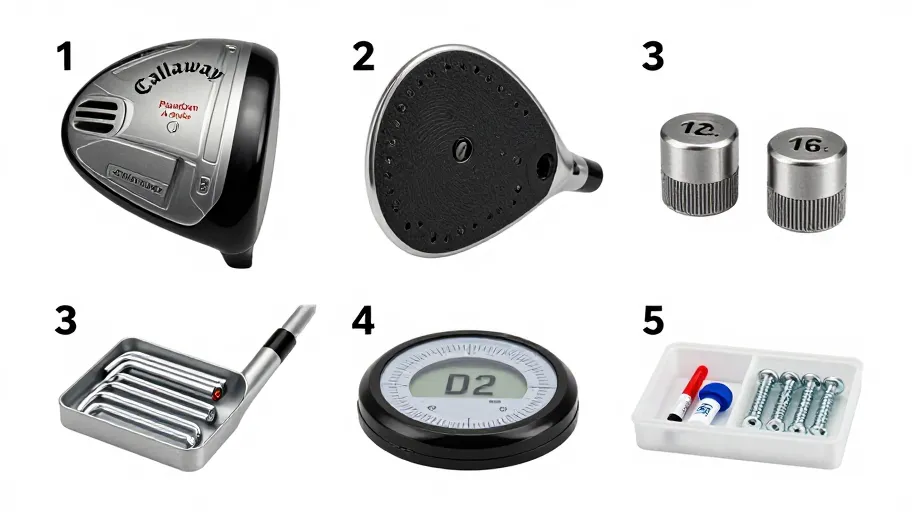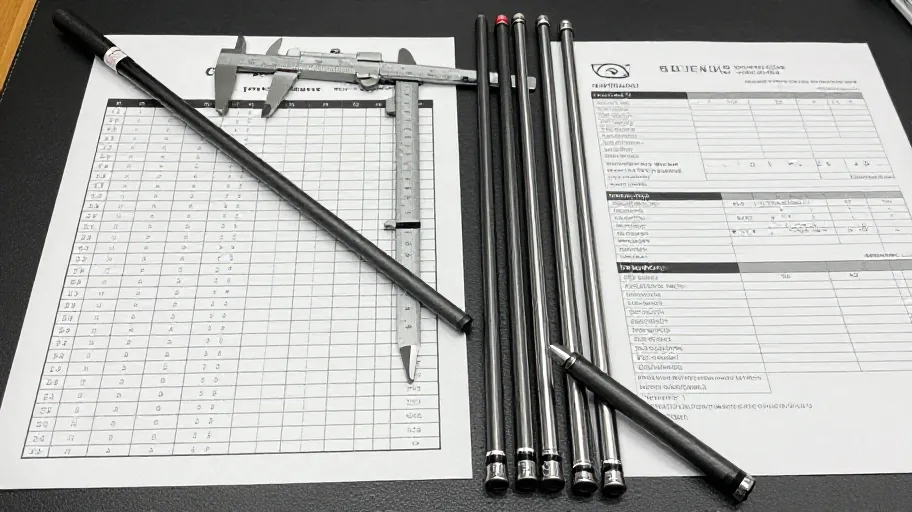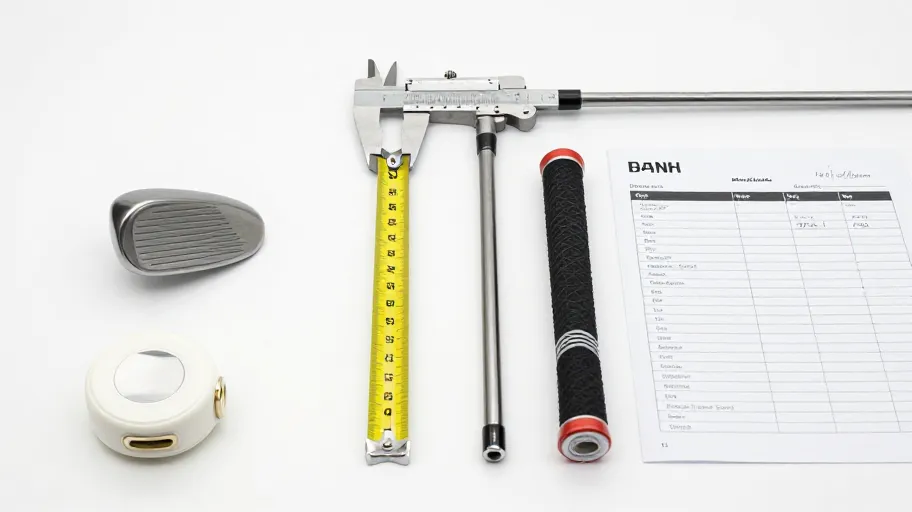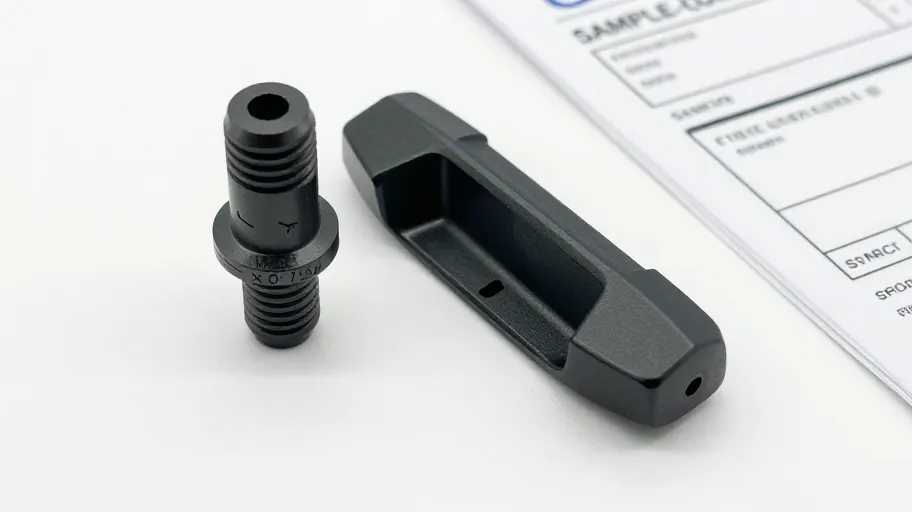
A clean handoff of putter weights starts before you approve the sample: you write down what you are approving. That means recording the stated mass, thread type and pitch, seating depth, finish and profile of the exact sample in your hand, and getting the supplier to confirm in writing that the production batch will match those recorded attributes. Without that record, "it matched the sample" is an opinion. With it, you have a reference you can compare against on arrival.
The SAMPLE-LOCK framework
Use SAMPLE-LOCK to move from a feel-based approval to a documented one:
- S — Specify. Write the attributes that define the weight for your putter model: stated mass, thread specification, seating or install depth, head profile compatibility, finish and any port or wrench interface.
- A — Approve. Physically test the sample on the club it is meant for. Approve only what you have verified on your own head, not on a photo or a listed specification.
- M — Map. Record where the sample came from, which listing and revision it belongs to, and who supplied it. This is the traceability layer.
- P — Photograph. Photograph the sample next to a scale readout and against the installed position. Images settle disputes faster than recollection.
- L — Lock. Ask the supplier to confirm in writing that production pieces will match the recorded sample attributes, and ask what their process is if a delivered piece does not match.
- O — Observe. On arrival, compare delivered weights against the record before installation. Note any deviation immediately and raise it while the transaction record is fresh.
- C — Confirm. Confirm fitment for your exact putter family and model, in writing, before you commit. Fitment that is "assumed compatible" is not confirmed.
- K — Keep. Keep the sample or its record as the acceptance reference for the batch.
Decision table: what to specify, verify and hold to
| Attribute | Why it matters for putter weights | How to verify before approval | Hold to in handoff? |
|---|---|---|---|
| Stated mass | Drives swing-weight and feel changes | Weigh the sample yourself on a reliable scale; compare against the listed mass | Yes — record the measured value |
| Thread type and pitch | Determines whether the weight seats at all | Test-install on your exact putter head; confirm the thread in writing | Yes — highest-priority item |
| Seating depth and shoulder profile | A correct thread with the wrong shoulder can sit proud or bottom out | Inspect installed position flush with the sole or port | Yes — photograph installed |
| Finish and coating | Affects appearance and how the weight wears; finish differences can also alter fit marginally | Inspect under even light; note the finish description in the listing | Optional — record if appearance matters to you |
| Wrench or drive interface | Determines install tooling and torque control | Confirm which drive the weight uses and whether tooling is included | Yes — confirm before ordering |
| Model compatibility claim | Protects you if the weight is not made for your family and model | Ask the supplier to state fitment for your exact model in writing | Yes — written confirmation only |
The point of the table is not to make you paranoid. It is to convert the one thing you can control — your record — into leverage over the thing you cannot: batch-to-batch variation.
Approval questions to put to the supplier in writing
Before you approve a sample of putter weights and move toward a production or repeat order, send these questions and keep the answers:
- Does this weight fit the exact putter family and model I have named, including the thread specification? Please confirm in writing.
- What is the stated mass, and how closely will delivered pieces match it? What variation, if any, do you state?
- Is the sample I approved the same revision and finish as the pieces you will ship?
- What is your current policy if a delivered weight does not match the approved sample or does not fit the confirmed model?
- Which drive or wrench does the weight use, and is tooling included or sold separately?
- If I reorder later, how do I reference this approved sample so future pieces match it?
None of these questions assumes any particular policy. They exist to extract the supplier's actual position into a record you can point to.
The handoff checklist
Use this checklist at the moment of approval and again on delivery:
- Sample installed and removed on the exact putter head it is intended for
- Measured mass recorded, with scale used noted
- Thread specification confirmed in writing by the supplier
- Installed position photographed flush and correct
- Finish and revision of the sample recorded from the listing
- Drive interface and tooling position confirmed
- Written confirmation that production pieces will match the sample
- Supplier's stated remedy process for a non-matching delivery recorded
- Delivered pieces compared against the record before installation
- Any deviation raised in writing, with photographs, without delay
If a delivered weight deviates from your record, your leverage rests entirely on what you wrote down. A photograph of a sample seated flush, next to a dated confirmation message, does more than any verbal assurance.
FAQ
Do I need to weigh the sample myself if the mass is listed? Yes. Weighing the sample in your own hands closes the gap between a listed number and the piece you actually approved. Record the measured value, not just the listing.
How do I confirm a putter weight fits my model before buying? Ask the supplier to confirm fitment for your exact putter family and model — including the thread — in writing. If the answer is vague, treat the weight as unverified rather than compatible.
What should I do if delivered weights differ from the sample? Compare against your record, photograph the difference, and raise it in writing promptly. What happens next depends on the seller's current policy, which you should have captured in your approval questions.
Should I keep the sample after approval? Yes. The approved sample, or its documented record, becomes your acceptance reference for the delivered batch and for any reorder.
Can a replacement putter weight change how the club feels? Mass distribution influences swing weight and feel, which is why the mass attribute deserves the same written attention as fitment. For the underlying reasoning, review the swing-weight guide before you finalise your target specification.
Next step: review the swing-weight guide so your recorded target mass reflects the feel change you are actually trying to achieve before you lock the sample specification.
Low-friction CTA: save or print the handoff checklist above and attach it to your sample record before you send your first approval question.
Master Your Swing, DIY Your Fit. DIY Golf is the premier destination for the technical golfer. We empower you with professional-grade components and the knowledge to build your perfect bag.