Putter weights: how to turn buyer requirements into a clear RFQ
To turn putter-weight requirements into a clear RFQ, document your putter's exact brand, family, model and generation, state the weight target you want to reach, list the fitment details you have verified, and ask the supplier to confirm every unknown before quoting. A structured enquiry removes guesswork on both sides and shortens the path from question to usable part.
Why vague weight enquiries stall
A request such as "I need a heavier weight for my putter" forces the supplier to guess four separate things: which weight platform your putter uses, which hardware is already installed, what total head weight you are aiming for, and whether you expect the part alone or with screws and tools. Each guess is a place where the quote and your needs diverge.
Fitment is the largest risk. Weight systems differ across putter families and even across production generations of the same model name. A weight that threads into one model may not seat, may not reach depth, or may interfere with the sole plate of another. No supplier can confirm fitment from a model name alone, and you should not assume compatibility from a product photo. Treat fitment as something you verify, document and have confirmed in writing — never something you infer.
The fix is procedural, not technical. Write the RFQ so that every open point becomes an explicit question the supplier must answer. The SPEC-Confirm framework below organises that work.
The SPEC-Confirm framework for putter-weight RFQs
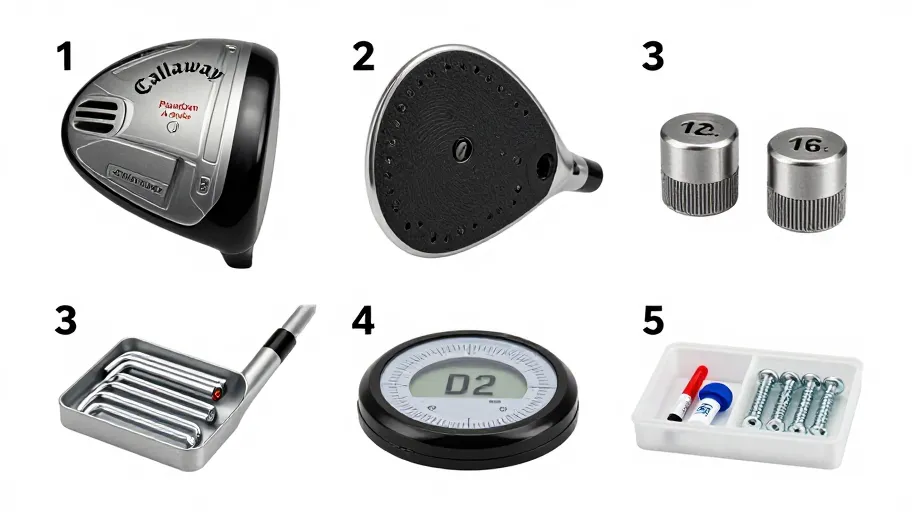
S — Specify the platform. Record the putter's brand, family, model name, model generation or year if known, and where the weight sits: sole port, back cavity, interchangeable cartridge or sliding track. Photograph the empty port and any existing weight from two angles, plus the screw head, and include thread appearance. Photos resolve in one message what text cannot.
P — Pin the target. State your current configuration (stock weight identifier if marked, approximate feel) and your goal: more head weight for stability on slower strokes, less for quicker tempo, or matching two putters. Express the goal as a change you want to achieve, and ask the supplier which increments are available for your platform. Do not pre-commit to a gram figure the platform may not offer in a single part.
E — Exchange points. List what you expect the quote to include: the weight alone, matching screws or hardware, any tools, finish match expectations, and quantity. Ask directly about current sample policy, cost terms, shipping terms and exchange terms. These are policy questions only the supplier can answer for your exact enquiry; confirm them in the same thread as the quote so nothing rests on assumption.
C — Confirmation questions. Close the RFQ with explicit questions the supplier must answer before you approve anything (see the approval-question list below). An unanswered question is a stop sign, not a formality.
Decision table: converting your goal into a documented requirement
| Your goal | What to verify on the putter | What to ask the supplier | What to approve before ordering |
|---|---|---|---|
| Increase head weight for smoother tempo | Weight platform type, port condition, current weight identifier | Available weight increments for your model and generation; whether hardware is included | Written confirmation the part fits your exact model and generation |
| Match a second putter's feel | Both putters' models and current configurations | Which increment brings the two configurations closest; what trade-offs exist if increments differ | Side-by-side comparison documented in the reply, not estimated by you |
| Replace a lost or damaged weight | Thread appearance, pocket depth, screw head style | Whether identification from photos is possible; whether an exact-replacement option exists | Photo-based identification confirmed in writing before purchase |
| Reduce weight for faster greens or quicker stroke | Current total setup, what was added previously | Whether lighter options exist for the platform and what happens to the port if a lighter part seats differently | Confirmation that installation needs no modification to the head |
Approval questions to include in every putter-weight RFQ
- Does this weight fit the exact brand, family, model and generation I have listed? Please confirm against the photographs supplied.
- What material, finish and weight value applies to this specific part, and how are those marked or documented?
- Which hardware, screws or tools are included in the quoted scope?
- What is your current policy on samples, costs, shipping and exchanges for this item? I understand terms are confirmed by you at enquiry time.
- If the part does not fit my putter as confirmed, what is the documented next step?
- What quantity options exist, and are there any conditions attached to quantity that I should know before approving?
None of these questions presumes an answer. Each one moves an unknown from your side of the table to the supplier's, where it can be answered with current, product-specific information rather than general expectation.
A sample RFQ you can adapt
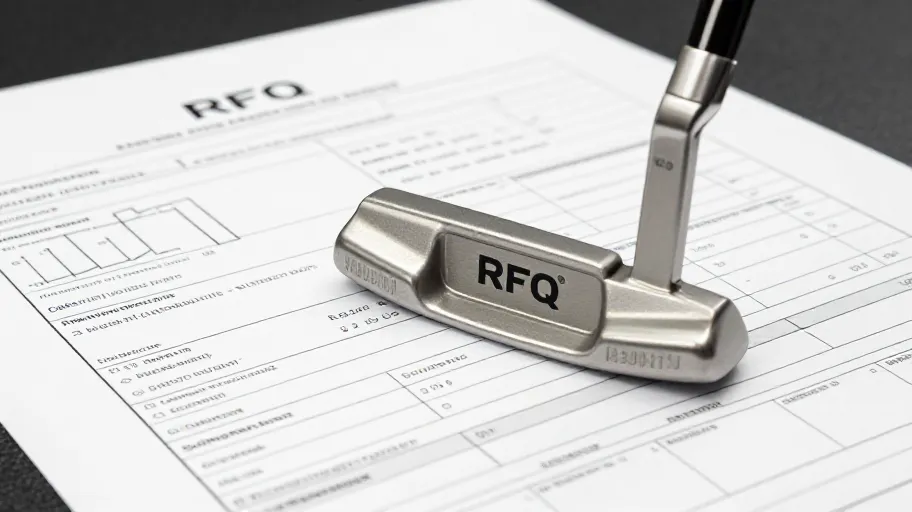
Enquiry: replacement putter weight Putter: [brand], [family], [model], [generation/year if known] Weight location: [sole port / back cavity / interchangeable cartridge / sliding track] Current setup: [existing weight identifier or "unknown — photos attached"] Goal: [increase / decrease / match head weight; describe the feel you want] Photos attached: port from below, port at angle, existing weight, screw head Please confirm: fitment for my exact model, included hardware, finish, current sample and shipping policy, and exchange terms. I will approve the order once these points are confirmed in writing.
Keep the whole enquiry in one thread. When fitment confirmation, scope and terms sit in the same message chain, you have a document to refer back to if anything differs on arrival.
Frequently asked questions
How do I know which weight system my putter uses? Start with the model name and generation, then photograph the port and existing hardware. Names repeat across generations with different hardware, so treat the photos as the primary evidence and ask the supplier to confirm identification from them.
Can I assume a weight listed for my model name will fit? No. Confirm the generation as well as the model name, and have the supplier verify fitment against your photographs in writing before you approve the order.
Should I specify an exact gram value in the RFQ? State the outcome you want — the change in feel or balance — and ask which increments the platform offers. That keeps the supplier quoting real options instead of a part that may not exist.
Who confirms shipping, sample and return terms? The supplier, for your specific enquiry and location, at the time you ask. These terms are not addressed in this article; include them as questions in your RFQ and approve only against the written answers you receive.
What if two putters need to feel identical? List both configurations in one RFQ and ask for a documented comparison of the available options. Approve only after the reply shows how closely the two can be matched, rather than estimating it yourself.
Next step
Review the swing-weight guide to calculate how a weight change affects overall balance before you finalise your RFQ numbers. It turns "heavier" and "lighter" into figures you and the supplier can both work from.
Low-friction checklist CTA: copy the five-point pre-enquiry checklist below, fill it in for one putter, and you already have a complete, send-ready RFQ.
- Brand, family, model and generation documented
- Weight platform identified from photos
- Current configuration recorded
- Goal expressed as a desired change in feel or balance
- Approval questions pasted at the end of the enquiry
Master Your Swing, DIY Your Fit. DIY Golf is the premier destination for the technical golfer. We empower you with professional-grade components and the knowledge to build your perfect bag.