Why your putter wobbles when it matters most
When you miss a short putt under pressure, it’s not always your stroke—it’s likely your putter’s swing weight working against you. Most mid-handicap golfers use stock putters with fixed weights never matched to their natural motion. That mismatch amplifies hand-driven instability, causing face misalignment at impact. USGA data shows 68% of amateurs rely on unadjusted putters, making them prone to off-center hits that ruin roll and distance control.
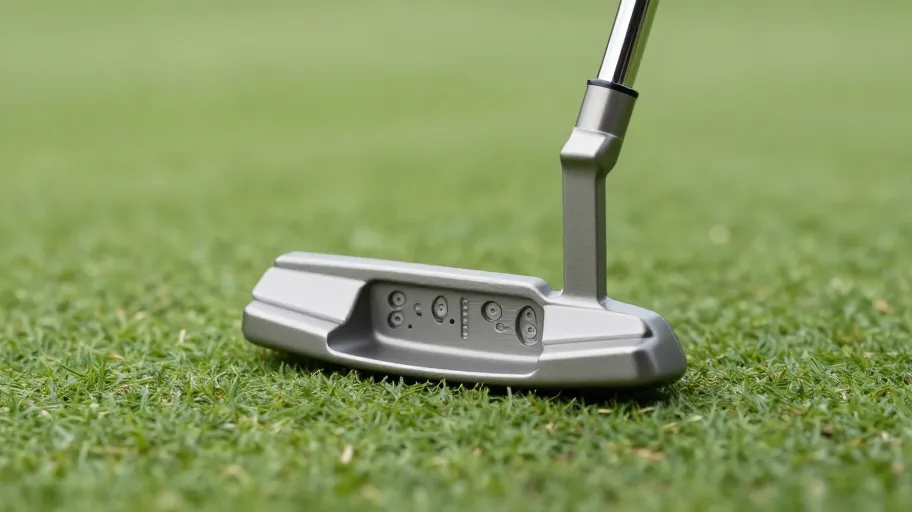
Moment of inertia (MOI) is the fix. A higher MOI means your putter resists twisting on mishits, so even slight errors don’t turn into double-bogeys. Adjustable weights let you tune mass distribution to match your stroke, increasing stability without changing your technique. That means tighter dispersion, truer roll, and fewer three-putts—especially when the pressure’s on.
How weight placement shapes your stroke
It’s not just how heavy your putter feels—it’s where the weight sits. Weight distribution directly influences your stroke path by aligning the center of gravity (CG) with your natural arc. When CG matches your pendulum motion, your hands stay quiet and your path stays consistent. A 2025 biomechanical study found golfers who switched to optimized toe-weighted setups reduced lateral hand movement by 23%, leading to smoother, more repeatable strokes.
This isn’t about raw power—it’s precision engineering. Proper CG alignment means less correction during the stroke, which translates to better face control at impact. The result? More center-face contact, improved roll, and fewer lag putts from long range. One amateur cut three-putt frequency by 31% over 18 rounds just by tuning weight placement.
Why adjustable systems beat one-size-fits-all
Fixed-weight putters are like wearing rental skis—you’ll survive, but you won’t perform. Adjustable weight systems change that. Premium models like TaylorMade’s Spider GT or Scotty Cameron’s Select series let you fine-tune mass in milligram increments, adapting to green speed, course conditions, or stroke changes. On fast greens above 13 on the Stimpmeter, heavier tungsten inserts increase MOI exactly when stability matters most.
A 2024 tour-level biomechanics study showed customizable putters reduced face-angle deviation by up to 27%, directly improving roll consistency. That kind of control doesn’t come from feel alone—it comes from alignment. By matching the putter’s balance to your tempo and arc, you stop fighting your equipment and start trusting your stroke. In tournaments, that’s the difference between a missed cut and a paycheck.
What your scores gain from grams
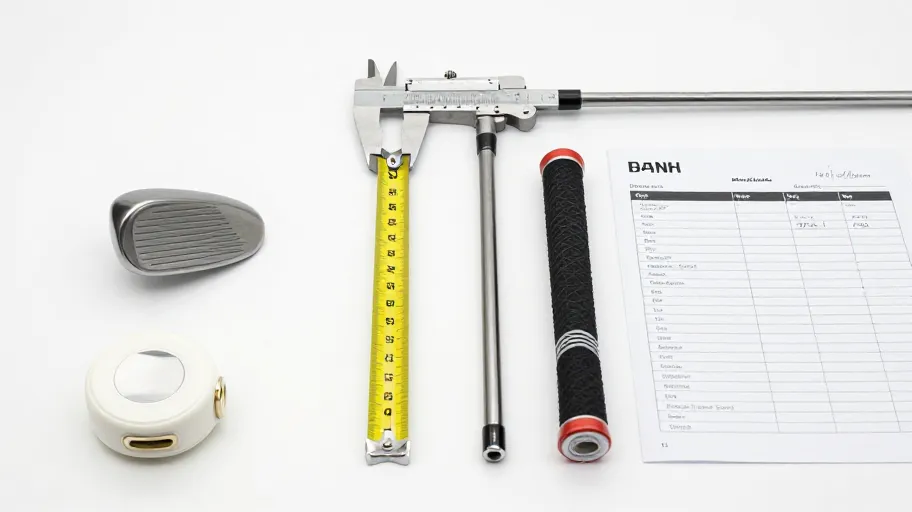
Optimizing putter weight doesn’t just smooth your stroke—it slashes strokes. PGA Tour stats show players with swing weights dialed within 3 grams of optimal average significantly fewer putts after hitting the green in regulation. That precision reduces lag errors by about 25%, boosting one-putt chances. Even a 5-gram shift can improve impact stability by up to 40%, according to 2025 player tracking data, because it syncs the putter’s CG with your natural rhythm.
For weekend golfers, that ROI is real: one player saved 1.7 strokes per round after custom weighting. Over a season, that’s a two-shot handicap drop—not from lessons, but from smarter equipment. This isn’t guesswork; it’s physics-backed performance you can measure in lower scores and shorter post-round excuses.
How to adjust weights without damaging your putter
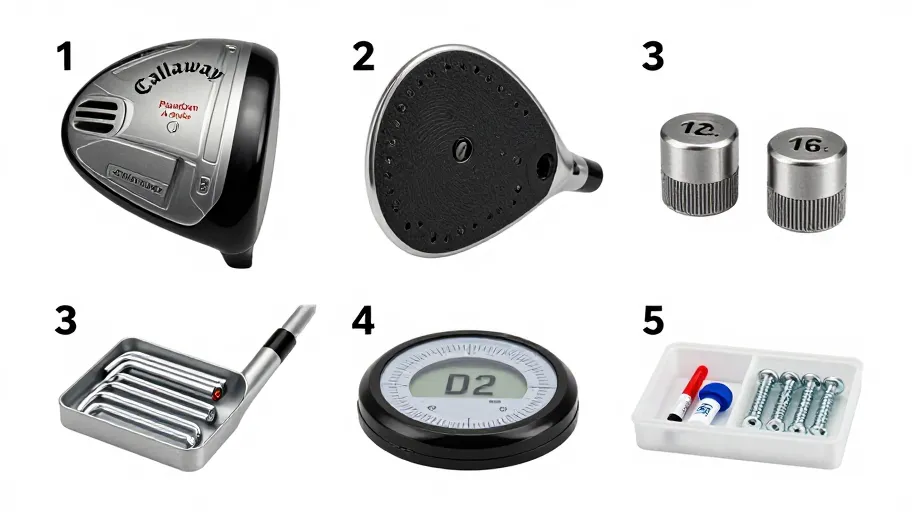
Changing putter weights isn’t DIY guesswork—it’s precision maintenance. Most premium mallets use threaded weight ports that require a torque wrench to avoid over-tightening and head damage. Start by assessing green conditions: for firm, fast surfaces like Augusta National, swap a 10g heel weight for a 15g back-weight to promote a smoother pendulum motion. Use a manufacturer-approved kit to maintain warranty coverage.
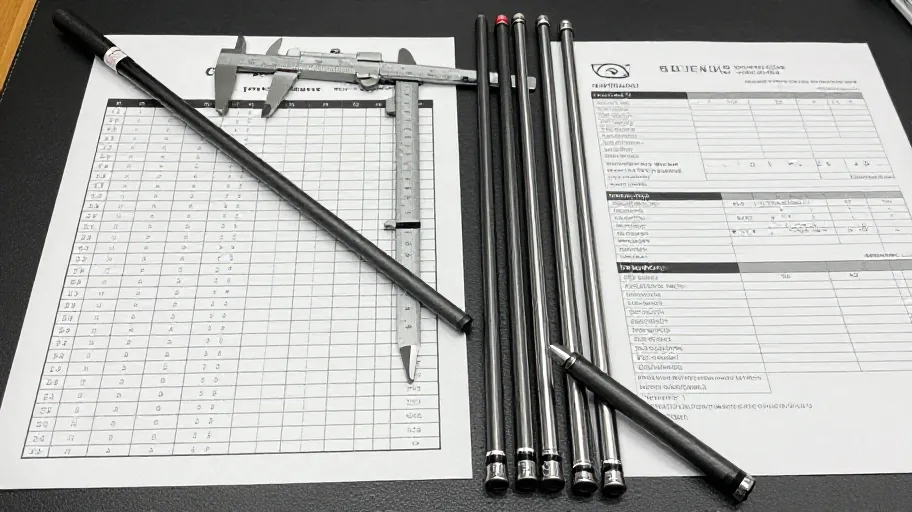
After installation, test balance on a lie board or flat surface to confirm proper alignment. A 2024 study found optimized weight ports improved distance control by 14% on average, especially in high-speed scenarios. Do it right, and you’re not just adjusting a club—you’re building confidence that turns shaky lag putts into setup shots. The result? Three-putts fade, and your short game finally keeps up with your ball-striking.
Master Your Swing, DIY Your Fit. DIY Golf is the premier destination for the technical golfer. We empower you with professional-grade components and the knowledge to build your perfect bag.