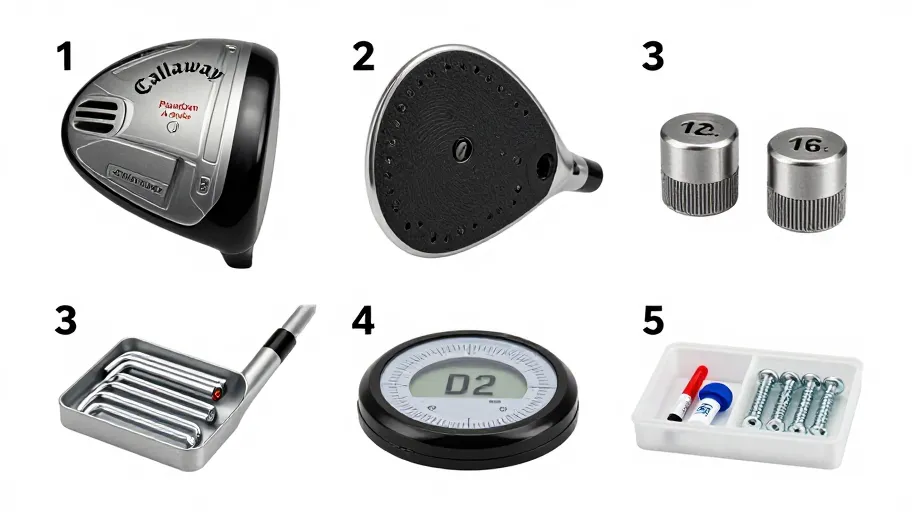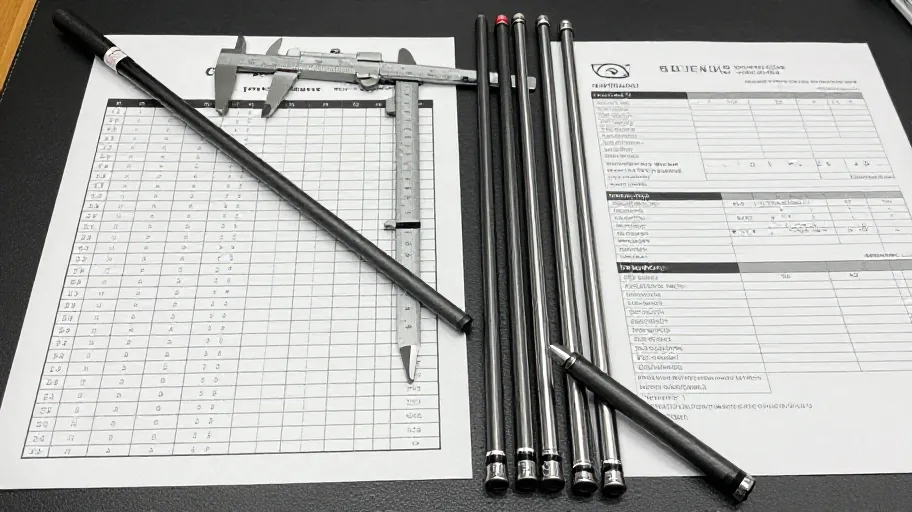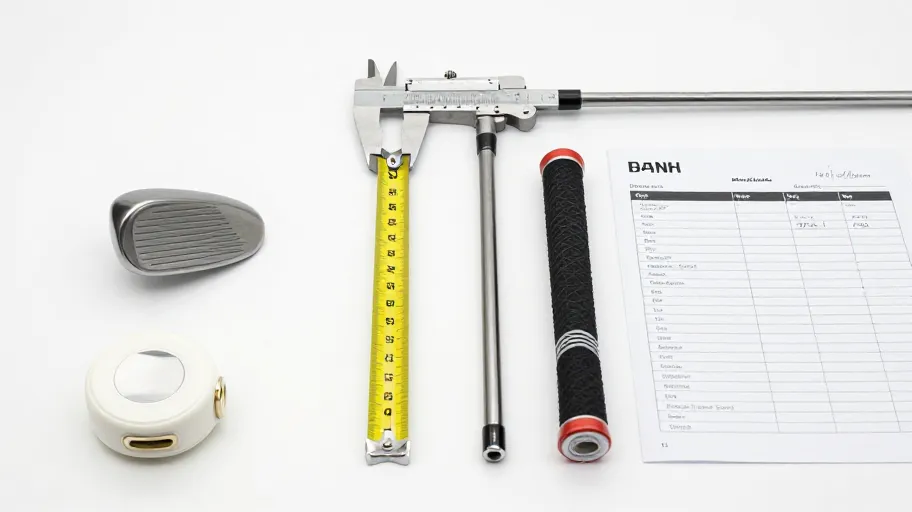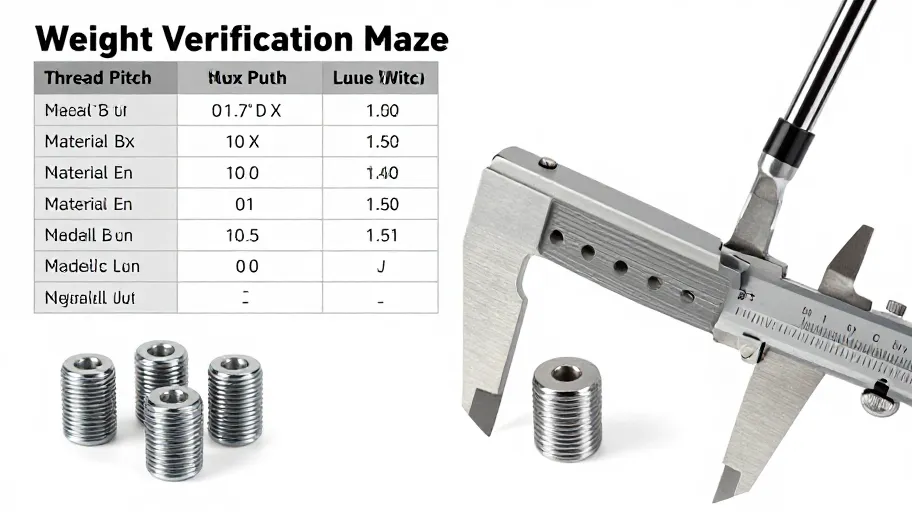
Selecting replacement putter weights requires a strict verification plan, not guesswork. The Weight Verification Matrix framework directs you to document the current component's thread pitch, calculate the exact mass required for your target swing weight, verify material specifications, and confirm compatibility with your exact putter model. This structured approach mitigates fitment risk.
The Weight Verification Matrix
Sourcing putter weights demands a methodical approach. The Weight Verification Matrix provides a structure to transform a basic product brief into a comprehensive verification plan. This framework ensures that you evaluate every critical variable before making a selection.
1. Document
Begin by extracting the original component from the putter head. Document the sole weight's current mass, thread pitch, insertion depth, and head shape. Record the putter's base model and the manufacturer's stated head weight. This documentation establishes your baseline for any modifications. If you cannot document the original specifications, you cannot accurately verify a replacement.
2. Calculate
Determine the mass adjustment needed to achieve your desired swing weight. Adding or removing weight from the sole alters the balance point of the entire club. Use a swing-weight scale to measure the current state. Calculate the difference between your current measurement and your target. This calculation dictates the specific mass required for the replacement component. Do not assume a direct translation; verify the calculation using a reliable reference.
3. Verify
Examine the material specifications of the replacement component. The material dictates the physical volume of the weight. A denser material achieves the target mass in a smaller volume, which affects how the weight sits within the putter sole. Verify the thread type and depth to ensure the replacement seats flush against the putter body. A mismatch here compromises structural integrity.
4. Confirm
Review the proposed replacement against your documented baseline and calculated requirements. Confirm the component dimensions match the putter sole cavity. Check the finish to ensure it aligns with the putter head. This final confirmation step prevents installation errors. Confirm the current policy directly with the supplier regarding any specifications not explicitly listed.
Material Comparison Decision Table
When evaluating putter weights, the material dictates the achievable mass within a specific volume. Use the table below to compare materials. Treat all material properties as planning inputs that require physical confirmation.
| Material | Mass density profile | Sourcing consideration | Verification requirement |
|---|---|---|---|
| Steel | Moderate density | Available in various standard masses | Confirm thread pitch and base diameter |
| Tungsten | High density | Allows for maximum mass in minimal volume | Verify insertion depth and cavity clearance |
| Aluminum | Low density | Useful for reducing head weight | Confirm thread engagement and structural integrity |
Concrete approval questions
Before approving a replacement putter weight, submit these questions to your supplier:
- What is the exact thread pitch and diameter of this putter weight component?
- Does the component's insertion depth match the cavity depth of the specified putter model?
- What is the confirmed mass tolerance for this specific component?
- What material composition constitutes this component?
- Does the finish match the original putter head's cosmetic appearance?
Treat these questions as mandatory approval gates. Do not proceed with installation until the supplier provides documented answers. If the supplier cannot answer these questions, confirm the current policy directly.
FAQ
How do I identify the thread pitch of my current putter weights?
You must use a thread pitch gauge to measure the existing component. Count the threads per inch or measure the distance between thread peaks. Compare this measurement against the replacement component's stated specifications. Do not assume compatibility across different putter families. Confirm the current policy directly with the manufacturer if the thread pitch is unlisted.
What material is best for adding significant mass to a putter head?
Tungsten provides high density, allowing for significant mass within a constrained volume. Steel offers a moderate density alternative. The choice depends on the volume of the weight cavity and the target mass. Verify the physical dimensions of the cavity before selecting a material.
Can I use a component from a different brand family in my putter?
Cross-brand compatibility is not guaranteed. Thread pitches, insertion depths, and cavity shapes differ across manufacturers. You must verify the exact dimensions of both the putter cavity and the replacement component. Do not force a component into a cavity if the dimensions do not match. Confirm the current policy directly regarding component fitment.
How do I calculate the mass adjustment needed for my target swing weight?
Use a swing-weight scale to measure your current putter. Determine the difference between the current reading and your target. Consult a swing-weight calculation chart to translate that difference into a specific mass addition or subtraction. This calculation provides the target mass for your replacement component. Treat this as a planning input and verify the final result on a scale after installation.
Do putter weights come with installation hardware?
Component packages vary. Some weights include O-rings or specialized wrenches, while others include only the threaded component. You must verify the package contents before purchasing. If the required hardware is not included, source the appropriate tools separately. Confirm the current policy directly with the supplier regarding included hardware.
Review the swing-weight guide to calculate your exact mass adjustment requirements.
[ ] Document original putter weight mass and thread pitch [ ] Measure current putter swing weight [ ] Calculate required mass adjustment [ ] Verify replacement material specifications [ ] Confirm supplier answers to approval questions [ ] Confirm the current policy directly
Master Your Swing, DIY Your Fit. DIY Golf is the premier destination for the technical golfer. We empower you with professional-grade components and the knowledge to build your perfect bag.