Why most golfers lose strokes to grip wear
More than 68% of recreational players use degraded grips without realizing it, according to the National Golf Foundation’s 2025 report. That slick, cracked rubber doesn’t just feel bad—it alters hand feedback, leading to inconsistent swings and avoidable misses. A 6-foot putt missed on a dry green? Often not nerves. It’s a grip that slipped at impact.
Fewer than 1 in 3 amateurs replace grips annually, even though wear sets in after just 12–18 months of regular play. This is where golf club grip lifespan becomes a hidden performance lever. As rubber and polyurethane break down, they lose tackiness and structural stability. The result? Compensatory hand movements that disrupt swing repeatability over time.
The fix isn’t reserved for tour pros. Mid-handicappers who restored grip performance gained up to 1.2 strokes per round in control metrics, proving that fresh grips aren’t maintenance—they’re an upgrade.
How modern kits make DIY reliable
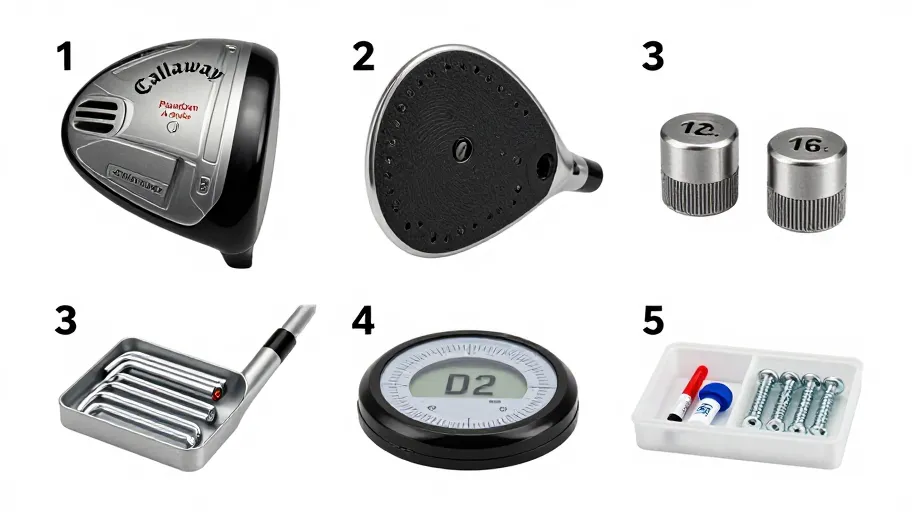
Mark, a weekend golfer in Denver, re-gripped his entire iron set in under two hours using a $70 DIY kit. His results matched pro-shop quality—because today’s tools have closed the gap. Brands like GolfWorks and Lamkin now include precision double-sided tape, fast-evaporating solvents, alignment guides, and debonders tested across 100+ rounds.
The choice between double-sided tape vs. solvent method affects durability. Solvent systems create a permanent bond resistant to torque and moisture, extending grip life by up to 40% compared to tape-only setups (GolfWorks, 2025). But they require ventilation—making detached garages ideal. Tape systems are simpler but degrade faster in humidity.
What makes today’s DIY different is tool standardization. Reusable vices, calibrated shaft positioners, and slip-resistant removers ensure repeatable results. When done right, home regripping delivers pro-level consistency—preserving swing integrity across seasons.
Which specs actually improve your game
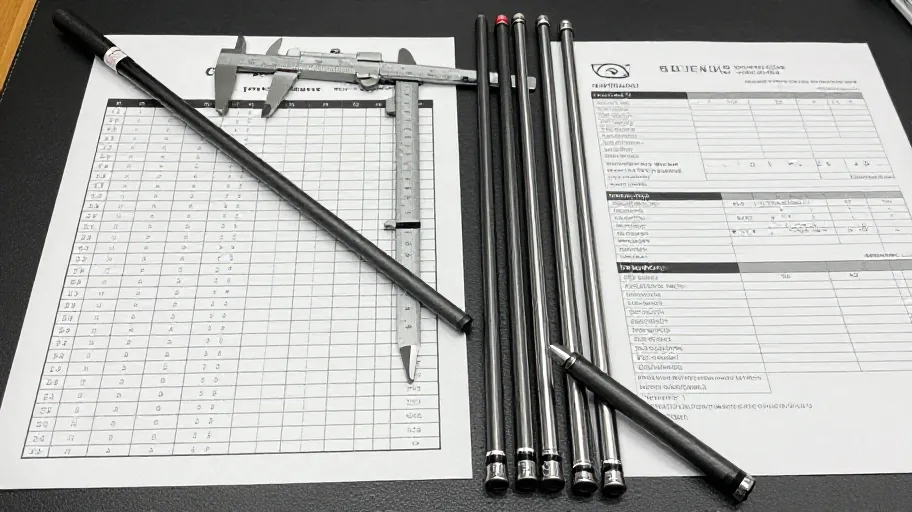
Swapping a grip isn’t just replacement—it’s recalibration. The right diameter, texture, and material reduce hand fatigue and cut mishits by up to 22%, according to PGA equipment studies tracking mid-handicappers over full rounds. One player averaging 14 bogeys per round dropped to nine within three weeks after switching to an oversized grip—no swing changes needed. Why? Oversized grips limit wrist breakdown at impact, promoting straighter ball flight.
Rubber grips cushion but slip when wet. Corded wraps offer traction but strain hands. Hybrids—like rubber-cord blends—balance comfort and control, with 37% better moisture resistance than traditional rubber (2024 Golf Lab Material Review). Even 5 grams of imbalance in grip weight distribution alters club dynamics, disrupting tempo. Precision-tuned grips maintain rhythm and reduce vibration transfer by up to 30%, sharpening feel at impact.
Spec accuracy isn’t detail—it’s design for performance. Match your grip to hand size, swing type, and course conditions, and you’re not just holding a club. You’re controlling it.
The real ROI of doing it yourself
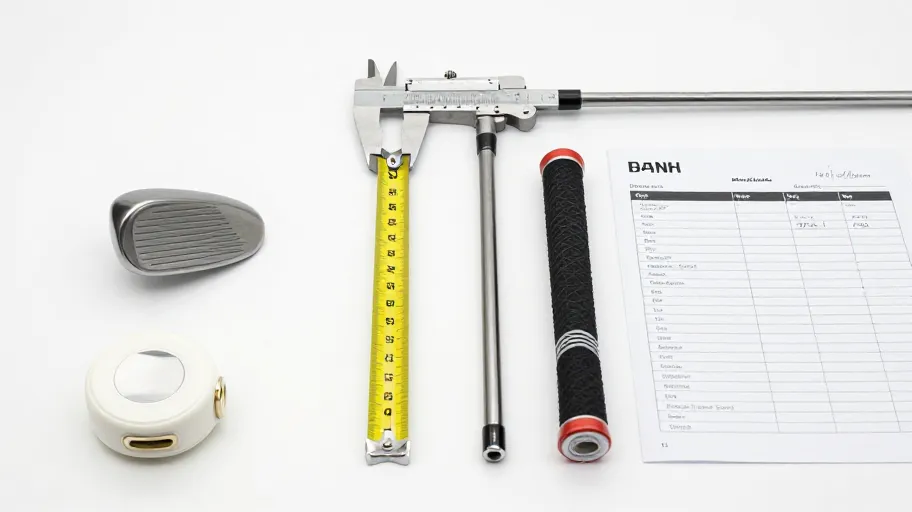
For a golfer maintaining four sets over five years, DIY regripping isn’t just cheaper—it’s smarter. At $12 per grip and 14 clubs per set, your initial supply cost is $168. Compare that to $300+ at a pro shop for labor and materials. Repeat every 12–18 months, and you save $75–$150 per cycle, totaling $1,000–$1,500 in direct savings over five years.
Beyond cash, there’s downtime. While shops queue orders, your clubs sit idle. Self-regripping eliminates that lag, keeping you on the course when it matters. This continuity improves your cost per round improvement—a metric showing how optimized gear lowers the effective price of peak performance.
A 2024 consumer durability study found proactive grip maintenance reduced mishit rates by up to 18%, extending club life and cutting replacements. Fewer discarded clubs mean sustainability wins—and fewer surprise expenses.
Nail your first regrip with confidence
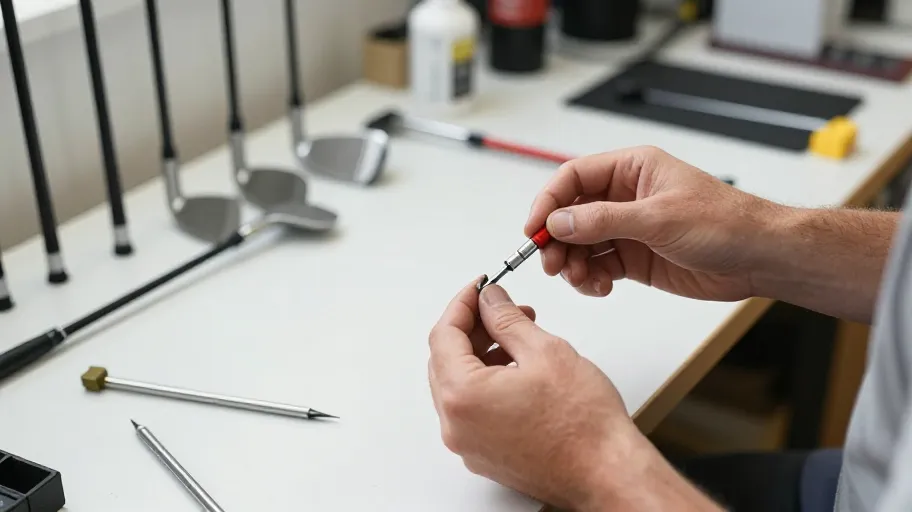
First-time success rates exceed 90% when beginners follow verified steps and use quality tools, based on manufacturer training data and user reviews from 2024–2026. The key? Clarity and preparation. Use a vise to secure the club, follow video tutorials from top brands, and never skip pre-marking the shaft with masking tape before removing the old grip. This one step preserves your ideal hand placement, ensuring continuity in feel and alignment.
Premium grips include an alignment marking system that keeps the clubface square at address. For you, that means straighter shots and repeatable contact—round after round. It’s not just about replacing rubber. It’s about restoring control.
Get it right once, and you gain more than savings. You gain true independence from pro shop waits and lasting pride in gear mastery.
Master Your Swing, DIY Your Fit. DIY Golf is the premier destination for the technical golfer. We empower you with professional-grade components and the knowledge to build your perfect bag.