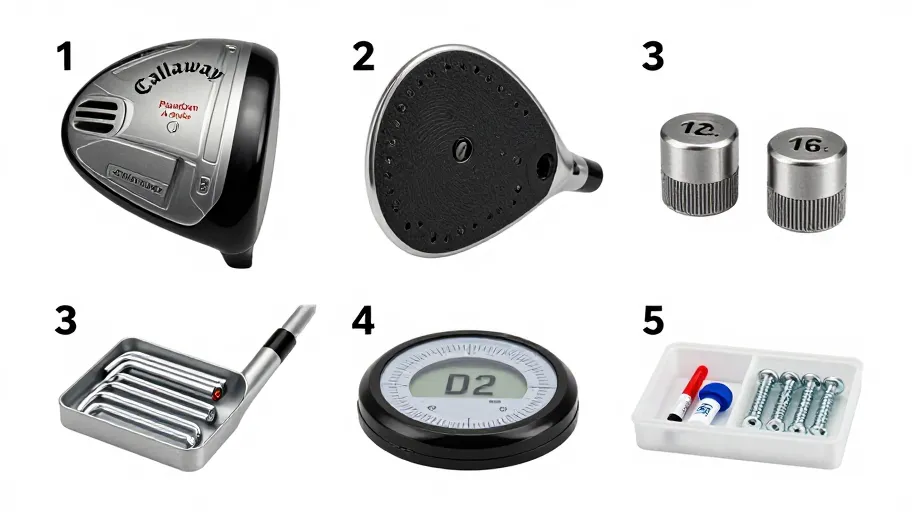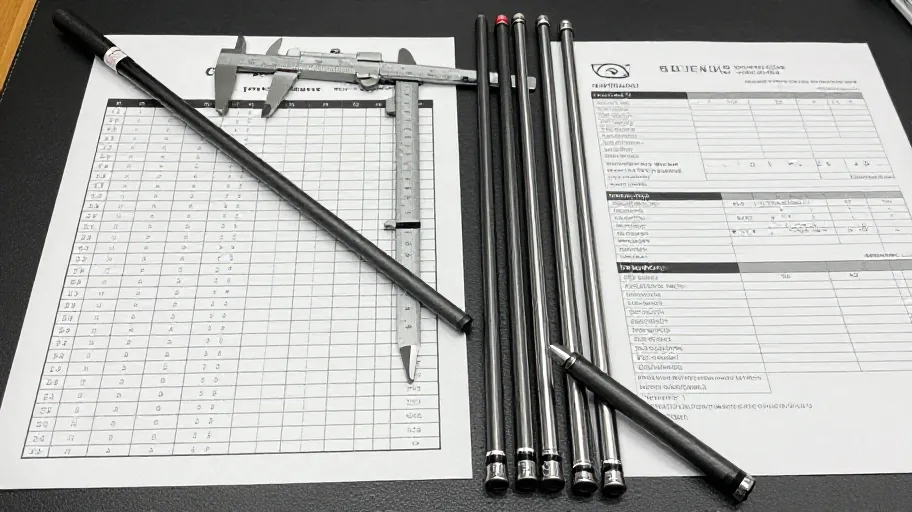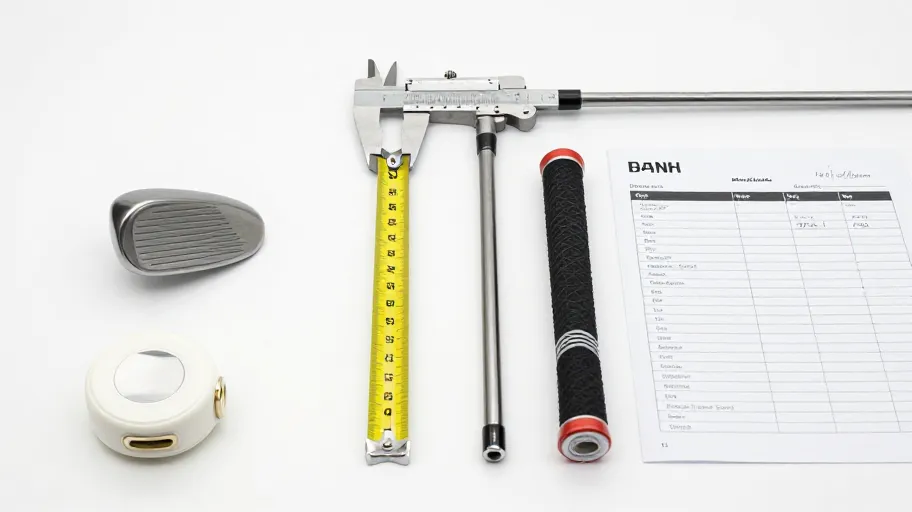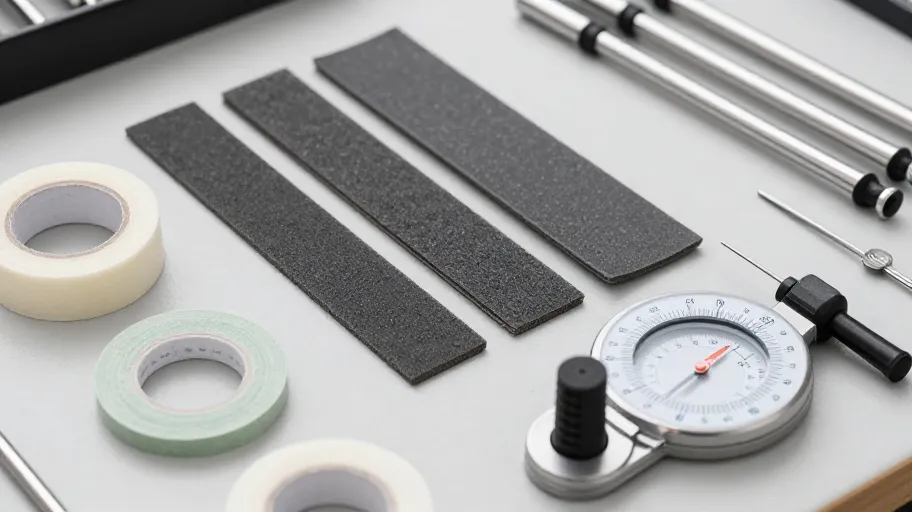
Regripping golf clubs cost is not a single figure — it is the output of choices you make before you ever ask for a price. Grip model, core size, number of build-up layers, riser, prep method and quantity all change the quote. Lock those variables down with the GRIP-FIT framework below, then request pricing, and you will get numbers you can actually compare instead of guesses.
Why the question "what does regripping cost?" has no honest single answer
If you have arrived at this page by searching for regripping golf clubs cost, you already suspect the truth: any flat number quoted without context is a number you cannot act on. A grip for a player's iron set, a midsize build on a driver, and a full re-grip with alignment reminders on putters are three different jobs. Each one involves different material, different build-up tape, different preparation work and different fitment verification against your specific club family and model.
As a club builder or a golfer sourcing components, your leverage comes from writing a request for quotation (RFQ) that removes ambiguity. When a supplier receives an incomplete request, they either quote a placeholder or ask questions — either way, the clock runs. When they receive a complete one, they can quote precisely and flag anything that does not fit.
The framework below is the sequence this article recommends.
The GRIP-FIT framework: six specifications to settle first
G — Grip model and material. Name the exact grip model, not just the brand. Material and surface pattern are part of the specification and part of the price driver.
R — Riser and build-up layers. Decide how many build-up layers you want under the grip, and on which clubs. Layers change the effective grip size and the labour and tape involved.
I — Inner diameter (core size). Grip core and shaft butt diameter must be documented as a matched pair for your club family and model. Do not assume; confirm.
P — Preparation method. Specify whether old grip and tape are being removed and how the shaft will be prepared, or whether you are supplying fresh components only.
F — Fitment evidence. Record where the butt-diameter and core-size data came from, and confirm with the supplier that the grip is verified for your exact model before ordering.
T — Terms to confirm. Quantity, sample policy, shipping arrangements and payment terms — all of these are supplier-specific and must be confirmed in writing, never assumed.
Decision table: what to lock down before requesting a price
| # | Specification variable | Why it changes the quote | What you must confirm with the supplier |
|---|---|---|---|
| 1 | Grip model and compound | Different models carry different unit economics; you cannot compare quotes built on different grips | That the exact model is available for your order quantity |
| 2 | Core size / inner diameter | A mismatched core changes feel and fitment; rework or returns destroy any saving | Current confirmed core size for the model you named |
| 3 | Butt diameter of your shafts | Determines whether build-up layers are needed at all | That your documented measurement is the basis of the build |
| 4 | Build-up layers / riser | More layers mean more tape, more labour and a different finished size | Which layer count achieves the finished size you want |
| 5 | Quantity per set or batch | Volume affects how a supplier prices the job | Their quantity-based terms for your specific order |
| 6 | Preparation scope | Component-only supply differs from full removal and re-grip | What the quoted scope includes and excludes |
| 7 | Sample policy | Whether a sample can be evaluated before committing to a batch | The current sample policy, in writing, before the RFQ |
| 8 | Shipping and delivery | Freight terms and timelines are supplier-specific and project-specific | Current shipping terms and how timing will be confirmed |
Approval questions to put in your RFQ
Before you approve any quote, get written answers to these questions. A supplier who answers them cleanly is one you can document and compare.
- Can you confirm the exact grip model, core size and compound quoted, in writing?
- Is this grip verified to fit shafts with my documented butt diameter, for my exact club family and model?
- What finished grip size results from the layer count you propose, and how is it measured?
- What does the quoted scope include and exclude — components only, or removal, prep and install?
- What is your current sample policy, and how do I confirm it applies to this order?
- What are your current shipping terms, and how will delivery timing be communicated for this project?
- If a supplied grip does not match the documented specification, what is the resolution process I should expect to follow?
None of these questions presumes an answer. Every commercial and logistical term above is project-specific and must be confirmed at the time of the RFQ, because policies change and because no product-specific sample, cost or shipping terms were available to this article.
Why two "identical" requests can return different numbers
Consider two builders, each re-gripping a set of irons from the same club family. Builder A writes: "Price for grips for my irons." Builder B writes: "Price for [exact model], core size X, on shafts with butt diameter Y, with Z build-up layers, quantity eight, components only, sample policy confirmed in advance."
Even if both end up with the same grip in hand, Builder A's quote rests on the supplier's assumptions and Builder B's quote rests on documented specifications. If anything is off — core mismatch, wrong finished size, unanticipated prep — Builder A has no written basis to resolve it and Builder B does. That difference is the entire reason to settle specifications before asking about regripping golf clubs cost.
This is also why this article will not characterise any supplier's terms as predictable. Sample arrangements, shipping responsibility, fee handling and resolution processes vary by supplier and by project, and each must be verified at the point of enquiry.
Fitment discipline for specific club brands and models
Because you are likely working within a specific brand, family and model, record the following before the RFQ and attach it:
- The exact club family and model designation, written out.
- The measured butt diameter of the shafts, with your measurement method noted.
- The core size you intend to order, as confirmed by the supplier.
- The target finished grip size and how many build-up layers you and the supplier have agreed achieve it.
Do not rely on memory or on any claim that a grip "fits" a model without first-party confirmation for the exact product and model. If a fitment claim cannot be verified against your documented measurements, treat it as an open question, not a settled fact.
Regripping specification checklist
Use this as your pre-RFQ gate. Approve nothing until every line is complete.
- Exact grip model, compound and colourway named in writing
- Core size confirmed by supplier for that model
- Shaft butt diameter measured and documented for the exact club model
- Build-up layer count agreed, with target finished size stated
- Preparation scope defined (components only vs full service)
- Quantity per club type listed
- Sample policy confirmed in writing before RFQ
- Shipping terms and timing-communication process confirmed
- Resolution process for specification mismatches documented
- All answers archived alongside the quote for comparison
Frequently asked questions
What determines regripping golf clubs cost? The grip model and compound, the core size matched to your shaft's butt diameter, build-up layers, preparation scope, quantity, and the supplier's current sample and shipping terms. Settle these before quoting and the price you receive reflects your job rather than someone else's assumptions.
Can I compare quotes for the same grip model? Only if the underlying specifications match. Two quotes for the same grip can differ in layer count, prep scope or terms. Compare quotes against your documented checklist, not against the grip name alone.
How do I verify a grip fits my club model? Measure the shaft butt diameter, ask the supplier to confirm the core size in writing for the exact model, and record both. Fitment claims should be confirmed first-hand for the specific product and model rather than assumed.
Should I request a sample before a full order? That depends on the supplier's current policy, which you must confirm directly — including any conditions attached. As a specification matter, evaluating a sample against your documented measurements before a batch order is sound sourcing practice.
Do build-up layers change more than feel? Yes — they change the finished grip size, the materials used and the labour involved, all of which feed into the quote. Agree the layer count and target finished size with your supplier before requesting pricing.
Next step
下载核对清单 — get the full regripping specification checklist and take it into your next supplier conversation, so every quote you receive answers to the same documented specification set.
Prefer to start smaller? Use the eight-row decision table above as a one-page worksheet: fill in the two right-hand columns for one supplier, then repeat for the next. That single step turns the vague question of regripping golf clubs cost into a comparison you can defend.
Master Your Swing, DIY Your Fit. DIY Golf is the premier destination for the technical golfer. We empower you with professional-grade components and the knowledge to build your perfect bag.