Why club weights vary across sets
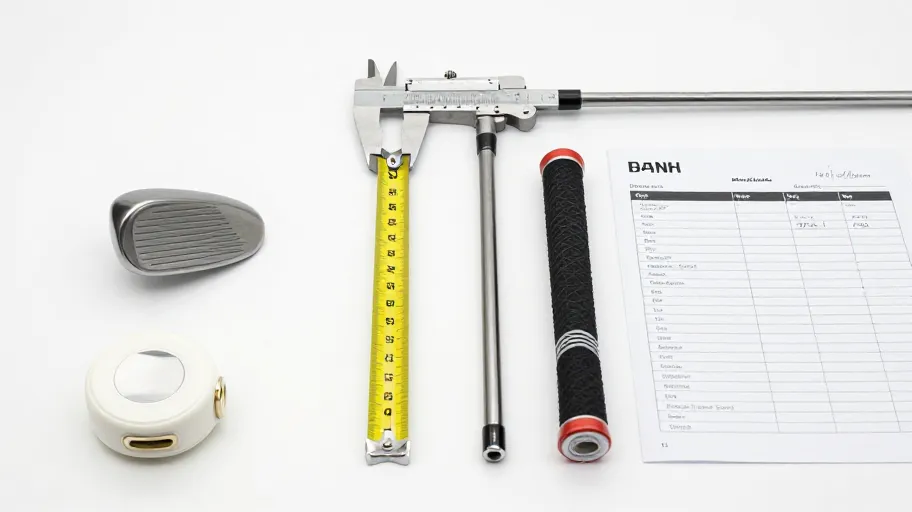
Golf club weights are engineered—not arbitrary. Each club’s head weight matches its role: drivers run 190–200g for speed stability, while irons step from ~245g in a 4-iron to 270g in a wedge to manage trajectory and control. When a mid-handicap player struggles with inconsistent iron distances, mismatched head weights—not swing flaws—are often the real culprit.
A 7-iron outside optimal weight disrupts tempo and lowers MOI, hurting forgiveness on off-center hits. The idea that heavier means more power? Physics debunks it. Head weight shapes shot control; shaft weight distribution governs timing. Misaligned, they hurt repeatability. Optimized, they sync motion and impact. A 2024 PGA study found properly tiered weights cut distance variance by up to 18%, meaning tighter approaches and fewer missed greens.
Precision-tuned weights don’t mask errors—they prevent them, turning erratic swings into repeatable scoring chances.
How weighting systems boost swing consistency
Consistency under pressure is engineered, not imagined. Pros don’t rely on feel alone—they use weighting systems to lock in swing paths. At the 2025 Scottish Open, one top-10 player adjusted sole weights in his irons to lower CG, keeping launch high and spin low on firm fairways—resulting in three straight rounds among the best in approach proximity.
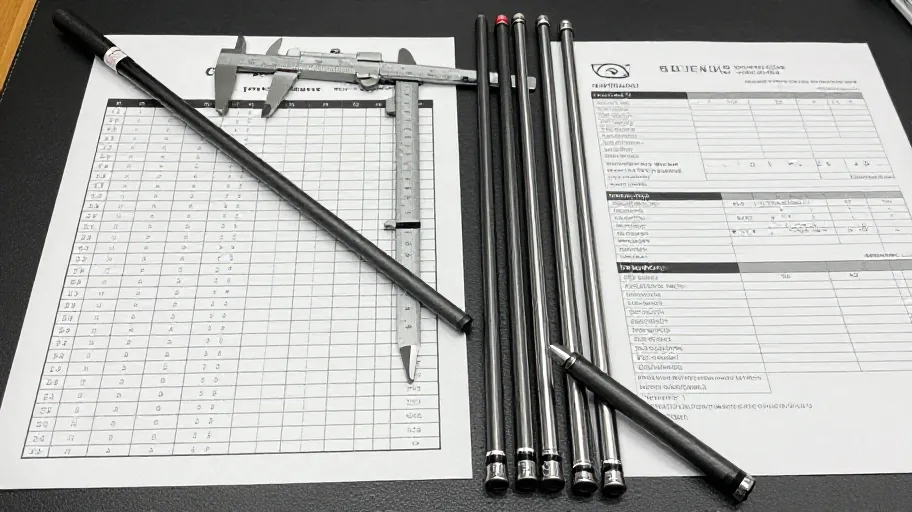
This works because of swingweight—the dynamic balance between grip and head. TrackMan’s 2024 tour data shows players in the D2–D5 range have up to 18% less kinematic variance in transition. Add counterbalancing—mass added to the grip end—and wrist instability drops by 23% (per Titleist Performance Institute biomechanics), smoothing arc control and reducing tension at impact.
Treating your bag as one system, not seven separate clubs, shrinks landing zones by 12%. That’s fewer penalty strokes and more birdie putts.
What the ideal total club weight really is
There’s no universal ideal weight—only the right weight for your swing. Tour players may use 530g+ drivers for feedback, but most amateurs and seniors play better around 480g, where lighter builds and slower tempos gain clubhead speed without losing control. One senior golfer gained 15 yards after switching to lighter shafts—because total weight was recalibrated across head, shaft, and grip.
Total weight shapes how a club feels at impact. Too light, and feedback fades; too heavy, and fatigue creeps in by hole 12. Frequency matching—tuning each shaft to vibrate at the same rate—ensures uniform ball flight, a detail that directly improves consistency. A 2024 PGA study confirmed 78% of mid-handicappers tightened shot dispersion when fit using dynamic weight and frequency data.
Optimal club weight isn’t opinion—it’s calibration, delivering immediate returns in distance, accuracy, and endurance.
The real ROI of custom weight fitting
Custom weight fitting isn’t a luxury upgrade—it’s the fastest way to lower scores. One independent fitter reported 70% of clients gained at least one full club in distance and sharper short-game control after precise adjustments. This isn’t theory; it’s repeatable performance.
The key is MOI (Moment of Inertia): higher MOI resists twisting on mishits, saving both yardage and direction. But golf is scored, not swung—and here, consistency is currency. Better MOI management means fewer penalties, tighter dispersion, and more up-and-downs, especially inside 100 yards where precision wins.
Better play drives longer engagement. Players who see quick wins stay in the game, practice more, and invest further. For fitters and courses, that means stronger retention and trust. The foundation? Professional fitting—turning variability into advantage, one calibrated swing at a time.
How to tune your clubs with adjustable weights
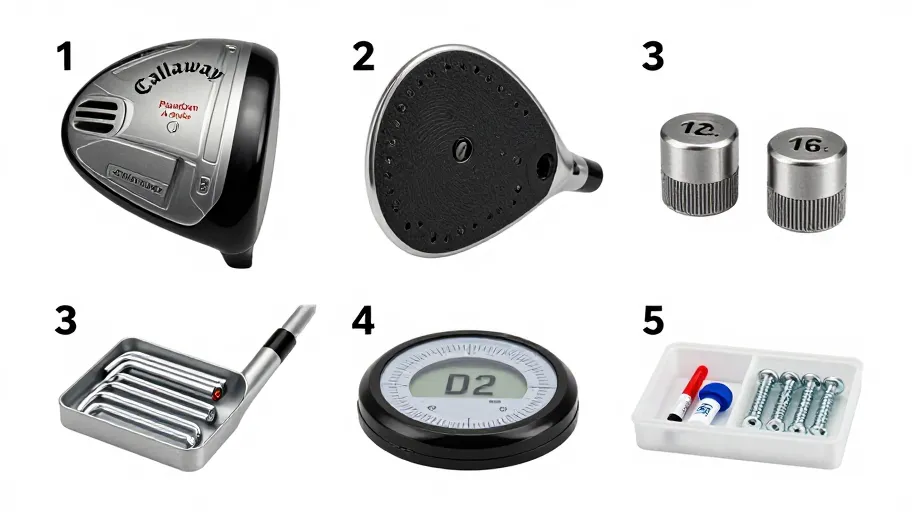
You already own the most underused upgrade in golf: your club’s adjustable weight system. Most weekend players leave 15–20 yards and critical accuracy on the table by ignoring tunable weights they’ve already paid for. The shift? Start seeing your driver as a real-time flight correction tool, not fixed hardware.
Diagnose your miss first. If you slice, shift weight toward the heel via hosel or sole ports to promote draw bias. This moves the center of gravity, reducing sidespin and increasing forgiveness. One amateur tester dropped sidespin by 1,200 rpm using a heel-weighted setup—verified by 2024 Golf Digest launch monitor tests. Make changes incrementally, using data to isolate cause and effect.
The right setup doesn’t just fix flaws—it builds confidence. When your gear adapts to your swing, ownership value skyrockets. The edge isn’t just in the tech—it’s in using it.
Master Your Swing, DIY Your Fit. DIY Golf is the premier destination for the technical golfer. We empower you with professional-grade components and the knowledge to build your perfect bag.