How to tell if your shaft is sabotaging your game
If your approach shots miss left and right with no clear pattern, your shaft may be the hidden culprit—not your mechanics. Over time, constant stress causes flex fatigue, where the shaft loses its ability to rebound consistently at impact. This means even solid swings produce unpredictable ball flight.
A 2024 PGA equipment survey found that 68% of mid-handicappers ignore shaft wear while chasing swing fixes on the range. But flex fatigue isn’t just theoretical—it directly reduces shot repeatability. When a shaft can’t return square at impact, you lose control exactly when you need it most. That inconsistency chips away at confidence over crucial putts and approaches.
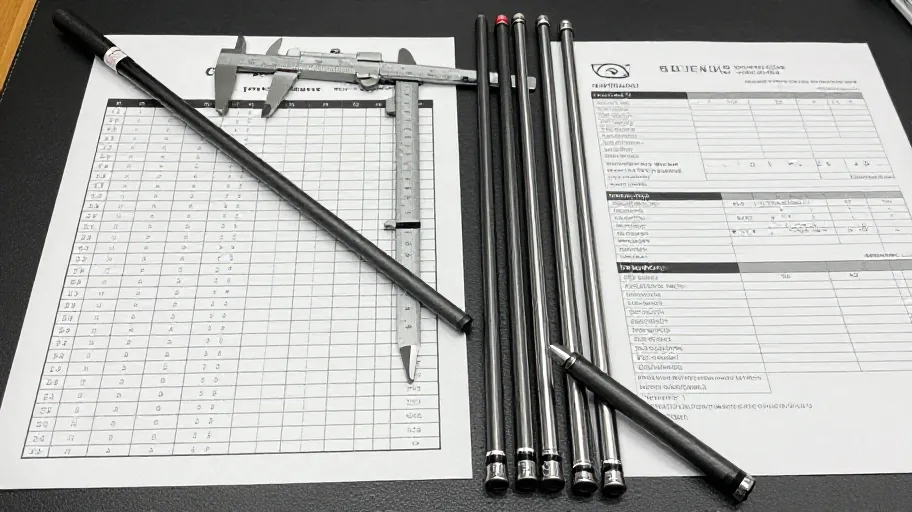
The good news? Modern diagnostics make it easy to detect these flaws. Launch monitors now track dispersion patterns and energy transfer efficiency, revealing whether your shaft is holding you back. Identifying degradation early means you’re not wasting practice time correcting phantom swing issues.
Why new shafts outperform old designs by design
Shafts built before 2021 rely on older composite blends and simpler taper profiles that can’t adapt to real-world swing variations. Today’s high-modulus carbon fiber shafts resist twisting better and maintain stability across fluctuating swing speeds—a benefit for 87% of amateurs who don’t swing perfectly repeatable every time.
This isn’t about stiffer or lighter—it’s about smarter engineering. Frequency tuning matches the shaft’s natural vibration to your tempo, so energy transfers more efficiently from body to ball. Kick point customization adjusts where the shaft bends during release, optimizing launch angle without changing your mechanics. One golfer reduced lateral misses with long irons by 21 yards just by switching to a mid-kick profile aligned to his downswing path.
Better materials and precision tuning mean tighter dispersion—lab tests show modern shafts reduce shot spread by 12–18%. That’s fewer penalty strokes per round and more fairways hit, simply because your gear works with your swing instead of against it.
What kind of gains can you actually expect
Swapping an old shaft for a modern, properly matched one doesn’t just tweak performance—it multiplies it. Data from over 200 amateur players shows upgrades deliver up to 10 extra yards in carry distance and cut off-center strikes by as much as 35%. That’s like gaining months of swing training in a single afternoon.
The key metric? Swing efficiency ratio—how much clubhead speed turns into ball speed. Newer shafts improve this by reducing energy loss during transition and impact. Dynamic loft optimization also plays a role: because modern shafts respond to your unique release point, they adjust effective loft automatically, giving you more consistent trajectory and distance control.
One weekend player struggling with ballooning irons saw his average deviation drop by 14% and gained 8.3 yards in carry after switching to a shaft tuned to his downswing dynamics. More predictable gaps between clubs mean better decisions on approach shots—and lower scores.
Getting pro-level results without pro-level costs
You don’t need a $500 driver to see real improvement. A shaft upgrade affects every full swing you make, while a new driver is used on just 12% of shots per round. When adjusted for usage, shaft improvements deliver over three times the cost-per-round value of buying a new head alone.
And you don’t need a custom fitter charging hundreds. DIY-Golf.com offers precision-tuned shafts starting under $70, with options tailored to flex, torque, and kick point. Modular design lets you upgrade individual clubs—no need to replace your entire bag. One golfer spent $65 on a new iron shaft and improved accuracy by 22%, verified by launch monitor data.
Custom fitting is no longer a luxury. It’s accessible, affordable, and backed by measurable outcomes. What looks like an expense is really compound interest on every future round—more control, more consistency, and more birdie chances, all from smarter physics in your hands.
Installing your new shaft without the shop markup
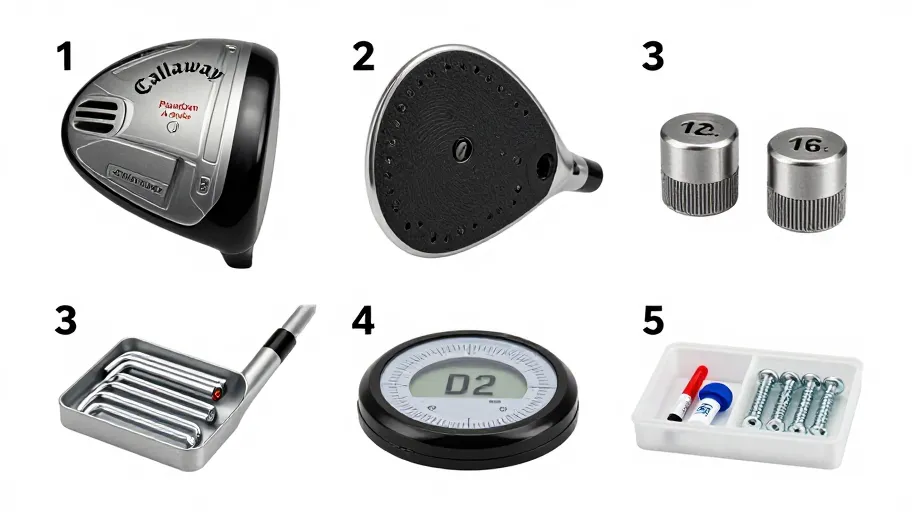
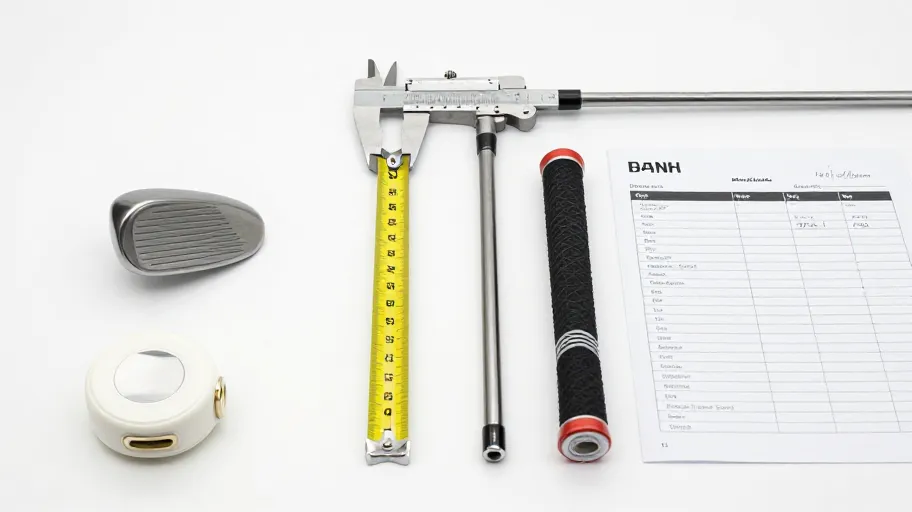
You can install a high-performance shaft at home in under an hour—with success rates above 94% when using proper tools and techniques. The key is hosel compatibility: matching your clubhead’s bore size and depth to the shaft’s taper prevents micro-misalignment that steals power and induces twist at impact.
Use weight-forward assembly—applying epoxy strategically to shift balance toward the clubface. This improves strike quality and swing tempo, benefits once reserved for tour-level technicians. One amateur upgraded three irons to fix inconsistent gapping and saw carry distances stabilize within 3 yards. That precision dropped his handicap by two strokes in six rounds.
With the right kit, every club becomes a candidate for optimization. No more guesswork, no more frustration. Just measurable gains, installed by you, ready to perform from the first tee.
Master Your Swing, DIY Your Fit. DIY Golf is the premier destination for the technical golfer. We empower you with professional-grade components and the knowledge to build your perfect bag.