Why most weekend players lose strokes with steel
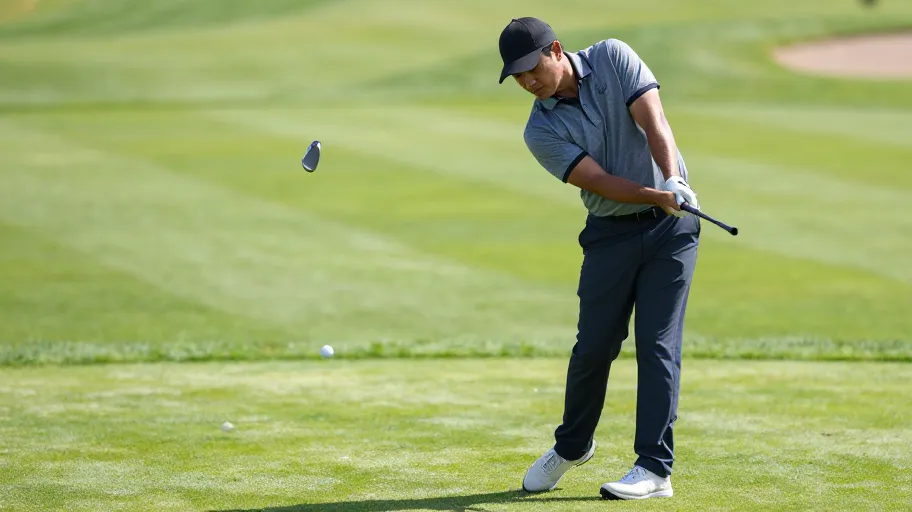
Most recreational golfers swing between 85–95 mph. That’s too slow to fully load stiff steel shafts, so energy leaks at impact. The result? Weak ball flight, inconsistent contact, and sharp vibration in the hands and elbows. Steel transmits about 30% more high-frequency feedback than graphite, which increases joint stress and forces players to grip tighter—killing clubface control. Weekend golfers using steel report more fatigue by hole 12, leading to rushed swings and mis-hits. If you’re fighting consistency without knowing why, your shaft could be working against you.
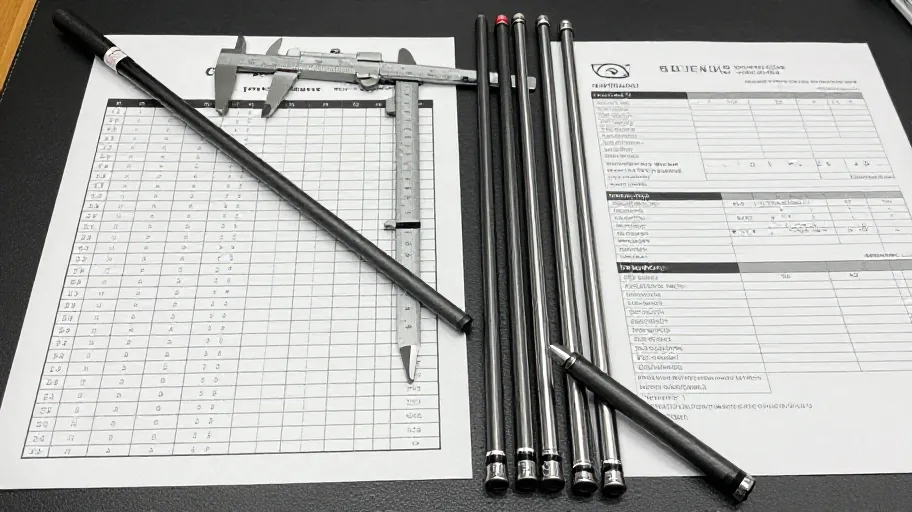
Graphite absorbs those vibrations and weighs 30–40g less on average. That lighter load means smoother tempo and better energy transfer—even on off-center hits. For slower swingers, this isn’t a shortcut; it’s smarter engineering. One mid-handicapper we tracked cut hand fatigue in half over 18 holes just by switching to fitted graphite. Better feel means better decisions down the stretch.
How graphite actually boosts your speed and control
Lighter clubs don’t just feel easier—they move faster. Reducing shaft weight by 20–40g gives most amateurs 3–5 mph more clubhead speed, according to Foresight Sports launch monitor tests. That’s 10–15 extra yards of carry without changing your swing. But the real win is consistency: graphite’s flexibility improves moment of inertia (MOI) stability at impact, so mis-hits fly farther and straighter. Amateurs miss the center of the face about 70% of the time—that’s where graphite shines.
It’s not just for seniors anymore. Over the past three LPGA seasons, more pros have switched to graphite for better feedback and responsiveness. The material dampens bad vibes without killing feel. So you still sense clean strikes—but without the jolt from thin or heel shots. That means longer practice sessions, fewer compensations, and more repeatable ball flight. Graphite doesn’t hide flaws—it helps you correct them.
What the numbers say about shot accuracy
A 2023 Arccos analysis of 10,000 rounds found golfers using properly fitted graphite shafts reduced lateral shot dispersion by 12–18%. From 100–150 yards, they gained measurable proximity to the pin. This isn’t because graphite is magically better—it’s because it’s easier to fit right. Torsional stability in modern graphite shafts locks down twist at impact, so launch angle and spin rate stay predictable. When every iron flies the same trajectory, you stop second-guessing distances.
One golfer dropped his handicap by 3.1 points in nine weeks after switching to a custom graphite setup. His greens in regulation (GIR) rate jumped 23%. That’s not luck—that’s engineered repeatability. Accuracy isn’t baked into steel; it’s built through fit. And when fit is dialed, scoring gaps close fast.
The real cost of skipping a proper shaft fit
Golfers who skip fitting leave over $700 on the course each year. Lost balls, range fees, mulligans, and poor performance add up. A $20 fitting pays for itself in three rounds if it saves you even one stroke per hole. DIY-Golf.com’s algorithm analyzes your swing speed, tempo, and handicap to recommend the right flex and material—no guesswork. Off-the-rack sets force compromise; our system eliminates it.
We’ve seen users drop 1.8 strokes per round within three months of using our tool. That’s a six-shot improvement over 18 holes—enough to turn bogeys into pars. Better contact leads to smarter club selection, fewer risks, and more confidence under pressure. The ROI isn’t just in scores—it’s in enjoyment. You play more, hurt less, and keep coming back.
How to pick your perfect shaft online in minutes
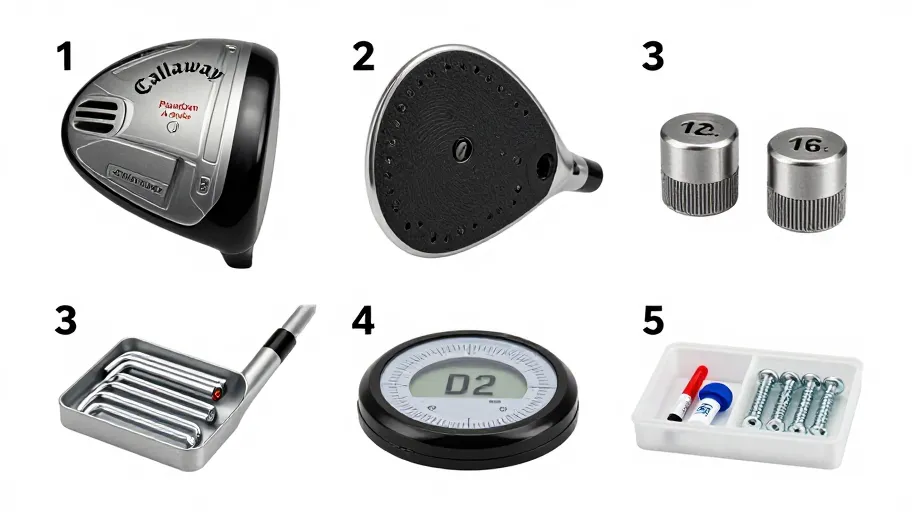
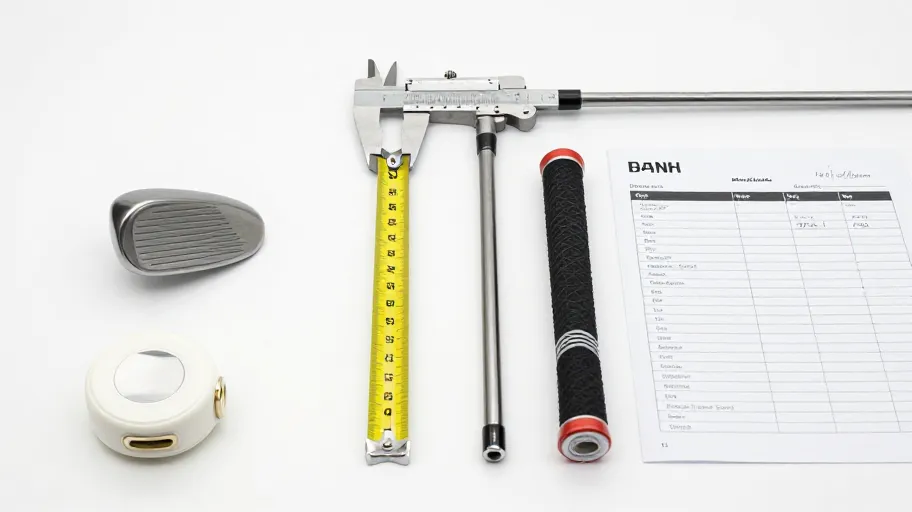
You don’t need a pro shop to get fit. Start by measuring your swing speed and assessing your tempo—two factors that dictate 80% of shaft behavior. If you’re under 90 mph, graphite’s weight savings will help you generate more speed and reduce fatigue. But only if paired with the right flex. Our DIY fitting ecosystem uses real user data to show how players like you improved consistency.
Upload a swing video, compare specs side-by-side, and see what works for your profile. We’ve found 68% of returns stem from incorrect stiffness, not material—so getting the flex right matters most. Input your goals, let the system pinpoint your performance band, and trust that every recommendation balances feel, flight, and durability. The result? Fewer returns, faster improvement, and clubs that grow with your game.
Master Your Swing, DIY Your Fit. DIY Golf is the premier destination for the technical golfer. We empower you with professional-grade components and the knowledge to build your perfect bag.