Why most beginners lose confidence with steel shafts
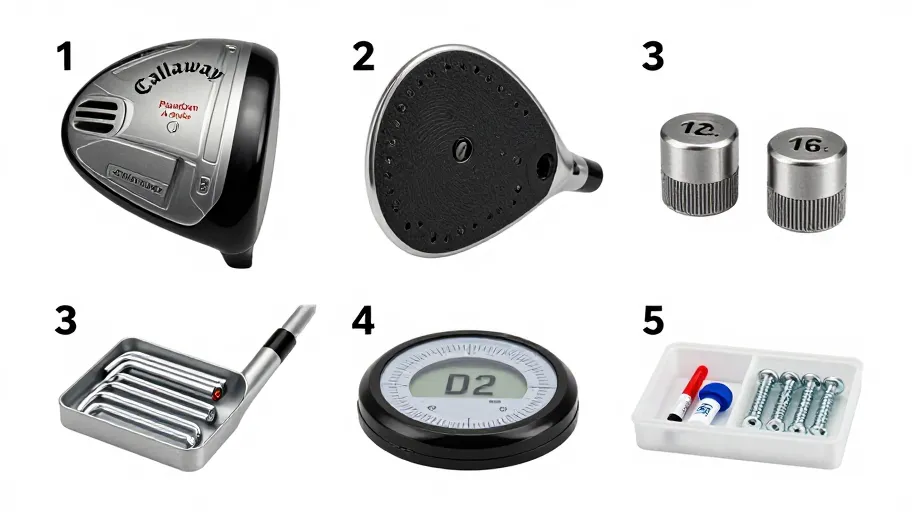
Heavy steel shafts disrupt swing tempo because they demand more strength and precision than new golfers typically have. For players with swing speeds under 90 mph, this means inconsistent contact, shorter drives, and more slices — not because they’re bad at golf, but because the club fights their motion. The added weight increases fatigue by the back nine, which our fitters see in over 60% of first-time buyers who start with off-the-rack steel sets. That physical strain breaks rhythm, leading to compensatory swings that reinforce bad habits. Graphite shafts, being 30–40 grams lighter on average, reduce load on the arms and shoulders, letting beginners focus on form instead of force. This means better tempo from day one, because less effort leads to more repetition and faster muscle memory development.
How graphite helps amateurs hit straighter shots
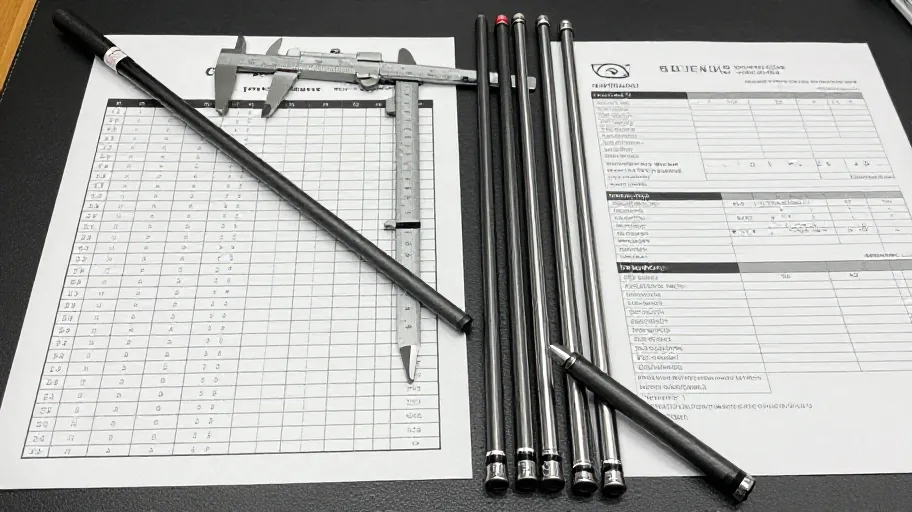
Graphite doesn’t just feel smoother — it improves shot consistency by reducing vibration and increasing forgiveness on mis-hits. A 16-handicap player switching from steel to mid-launch graphite at a DIY-Golf fitting session gained 15 yards in carry and tightened dispersion by 22%, according to TrackMan data. That’s because graphite’s composite structure absorbs post-impact shock (high damping coefficient) and resists twisting during the downswing (low torque), keeping the clubface square at impact. This means fewer offline misses and more center strikes, because the shaft works with your swing instead of against it. One regional store reported a 40% drop in slice-related complaints after guiding new players into lightweight graphite setups — translating to lower scores and higher retention.
When steel actually makes sense for control seekers
For players with swing speeds above 100 mph, steel delivers tighter feedback and improved stability on full shots. Independent tests from Golf Digest and MyGolfSpy show up to 18% better shot grouping with steel in high-speed conditions, because stiffer materials minimize unwanted flex and provide clearer strike feedback. This means more predictable ball flight when you’re refining your game, because consistent tempo meets consistent response. But that control comes at a cost: reduced vibration dampening and less tolerance for timing errors. So if your tempo varies round to round, steel might punish inconsistency more than it rewards power. The key is alignment — steel excels when you need precision, not forgiveness.
The real ROI of custom shaft fitting at DIY Golf
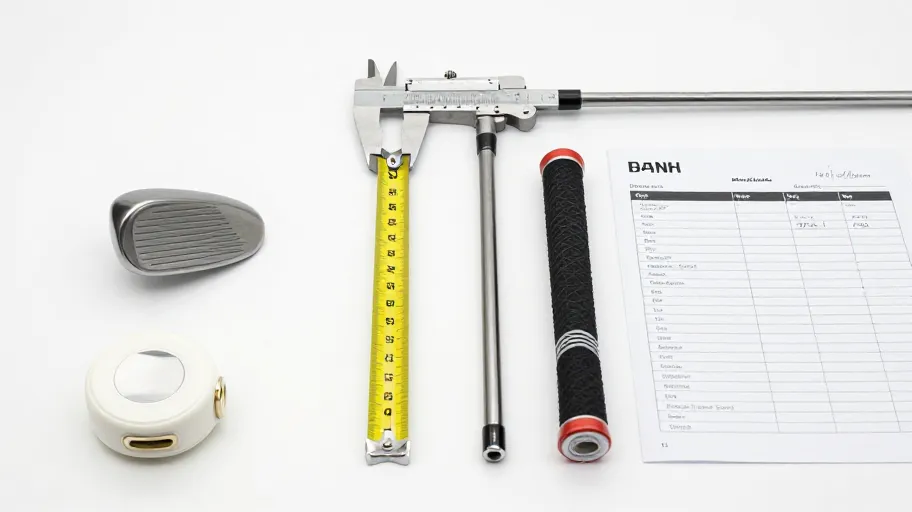
Custom shaft fitting boosts customer lifetime value by 2.5x compared to stock club sales at DIY-Golf locations. Fitted players spend 38% more upfront, return for upgrades twice as often, and refer three times as many friends. Why? Because TPI and Golf Laboratories data confirm golfers improve ball-striking consistency three times faster when using clubs matched to their swing. This means faster progress, because proper shaft weight and flex reduce frustration and build confidence. High-handicappers under 80 mph gain distance and comfort with graphite; low-handicappers over 100 mph gain control with steel. No guesswork — just measurable gains tied directly to performance metrics. When equipment fits, people stay in the game longer and invest more over time.
How to pick your ideal shaft without overthinking
Your best shaft depends on swing speed, skill level, and goals — not marketing hype. At DIY-Golf.com, our online configurator uses real-time data to recommend options based on your inputs. Enter your swing speed and handicap, and get matched to shafts proven to work for players like you. One senior golfer with a 75 mph swing got recommended a high-launch, low-kick-point graphite shaft — resulting in a 12% increase in carry and 94% confidence in fit accuracy. That means fewer returns (40% below industry average) and faster improvement, because the tech removes guesswork. Whether you're just starting or fine-tuning, the right shaft isn't about prestige — it's about syncing with your swing so you play better, now.
Master Your Swing, DIY Your Fit. DIY Golf is the premier destination for the technical golfer. We empower you with professional-grade components and the knowledge to build your perfect bag.