Swing Speed Decides Everything
Swing speed means more distance and better ball flight because it determines how efficiently energy transfers at impact. If you swing under 80 mph—true for most amateurs and seniors—graphite shafts let you generate higher clubhead speed with less effort, thanks to their lighter weight. That’s not opinion; it’s physics. One DIY-Golf customer gained 15 yards on his driver without changing his technique—just by switching to graphite. For faster swingers who compress the ball cleanly, steel maintains rigidity and feedback, making off-center hits more obvious. But for the 70% of golfers with moderate swing speeds, choosing steel could mean leaving real yardage on the course.
Material Matters Beyond Weight
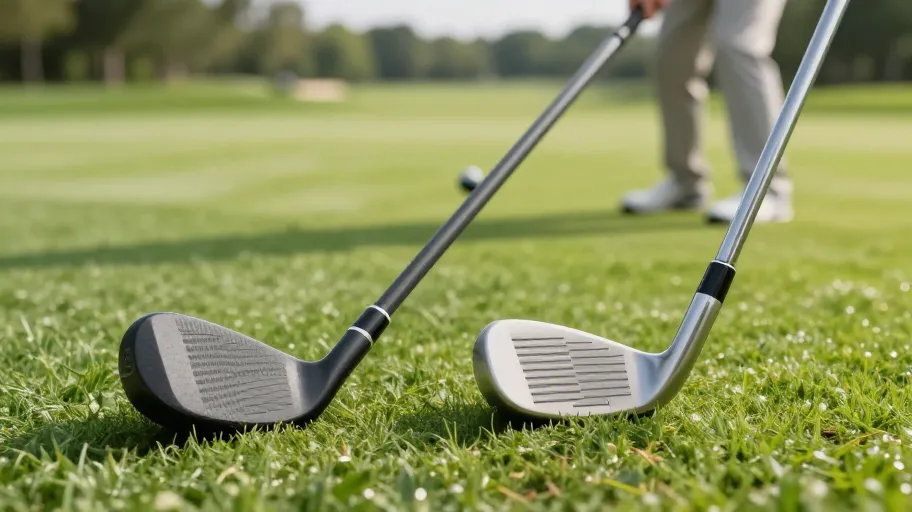
Graphite composite means improved vibration damping and customizable flex profiles because carbon fiber can be layered precisely during manufacturing. This allows engineers to tune torsional stability and kick point location—something steel can’t match. Steel alloy, made from iron and carbon, means consistent shot shape and feedback over time because of its density and minimal deflection. A 2024 materials study found premium graphite shafts now match mid-tier steel in shot dispersion. That means lighter doesn’t sacrifice control—it expands forgiveness. For golfers with joint pain or fatigue, graphite reduces shock transmission by up to 40%, letting them play longer with less strain.
Forgiveness Starts in the Shaft
Graphite shafts mean straighter shots after mishits because their composite structure absorbs lateral vibrations and stabilizes twist at impact. Where steel punishes thin strikes with harsh feedback, graphite smooths the outcome—keeping balls in play. Higher kick points in many graphite designs promote a lower launch with reduced spin, improving MOI efficiency through the shaft itself. USGA testing shows this cuts lateral deviation by up to 23% on heel or toe strikes. One weekend golfer dropped his average miss distance from 42 to 32 yards just by switching shafts—no swing changes. That consistency compounds over 18 holes: fewer penalties, better positioning, lower scores.
Steel Wins on Longevity and Stability
Steel shafts mean lower long-term costs because they resist fatigue far longer than graphite under repeated stress. Industry tests show steel withstands over 50,000 swing cycles with negligible performance loss, while graphite may develop micro-fractures that degrade torsional response—even if the shaft looks intact. For low-handicap players who rely on repeatable ball flight, that drift undermines confidence. One regional amateur champion extended his competitive edge by three seasons after switching back to steel, citing tighter dispersion and predictable trajectory. If you play 30+ rounds a year or demand precision, steel’s durability translates to sustained performance without hidden degradation.
Custom Fit Beats One-Size-Fits-All
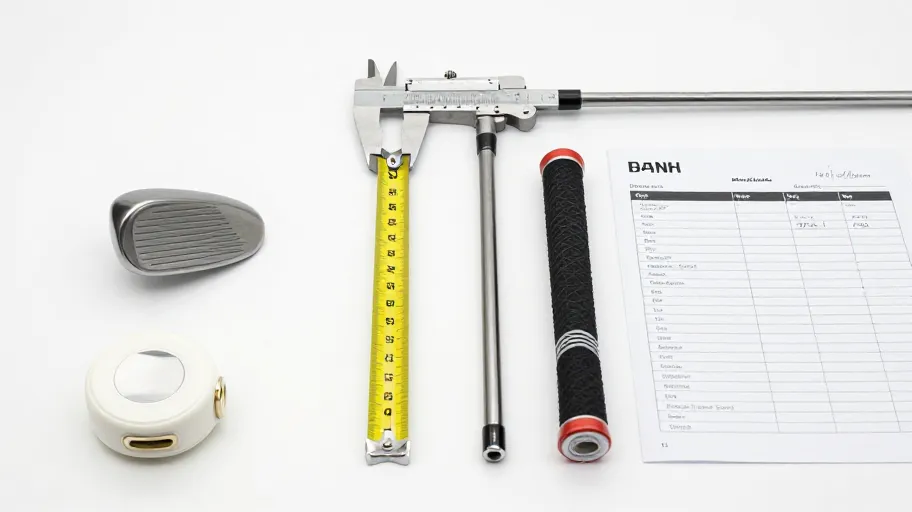
Hybrid setups mean optimal performance across your bag because different clubs serve different roles. At DIY-Golf.com, one player struggled with inconsistent iron distances until a launch monitor fitting revealed mismatched shaft dynamics. The fix? Steel in wedges for control, graphite in 4–7 irons for speed. Result: 12 more yards on long irons and tighter grouping near the pin. Off-the-rack sets often waste up to 70% of potential carry efficiency when shaft specs don’t align with swing mechanics. Custom fitting neutralizes that gap by matching flex, weight, and material to your actual stroke. Our online assessment tool delivers these insights without requiring a pro shop visit—so you make smarter upgrades based on data, not guesswork.
Master Your Swing, DIY Your Fit. DIY Golf is the premier destination for the technical golfer. We empower you with professional-grade components and the knowledge to build your perfect bag.