Why Your Irons Are Lying to You
A misaligned lie angle doesn’t just nudge your shots off target—it guarantees them. When the sole of your iron doesn’t sit flat at impact, either the heel or toe strikes first, altering face angle and launch direction. That means even flush swings send balls offline. This isn’t guesswork: PGA equipment studies confirm 65% of amateur golfers use clubs outside optimal lie specs. The result? Persistent misses disguised as swing flaws.
Think of it like wearing shoes two sizes too big—your form might look solid, but every step wobbles. Correcting lie angle means the club interacts with the turf exactly as designed. That geometric precision translates directly to tighter shot patterns. One weekend player reduced lateral miss by 30% after aligning his irons using swipe tape and a simple jig. No lesson, no coach—just geometry working for him instead of against him.
How Loft Mismatch Steals Distance Without Warning
A 2° error in driver loft can rob you of 15 or more yards per drive—not because you’re swinging slower, but because your launch conditions are compromised. Static loft (the number stamped on the club) only tells part of the story. Dynamic loft—the actual face angle at impact—is shaped by attack angle, shaft flex, and release timing. When static and dynamic don’t align, you lose control over trajectory and spin.
A 2024 on-course analysis found nearly 68% of amateurs were playing with mismatched lofts relative to their attack angles. That mismatch turns predictable carries into roll-the-dice moments. But adjusting loft isn’t just for tour vans. Using calibrated tools, golfers can match their driver’s static loft to their typical attack profile, stabilizing launch and reclaiming lost yardage. One user gained consistent carry distance after dialing in a +1° adjustment—no change in swing speed, just better setup.
Why Generic Tools Damage More Than They Fix
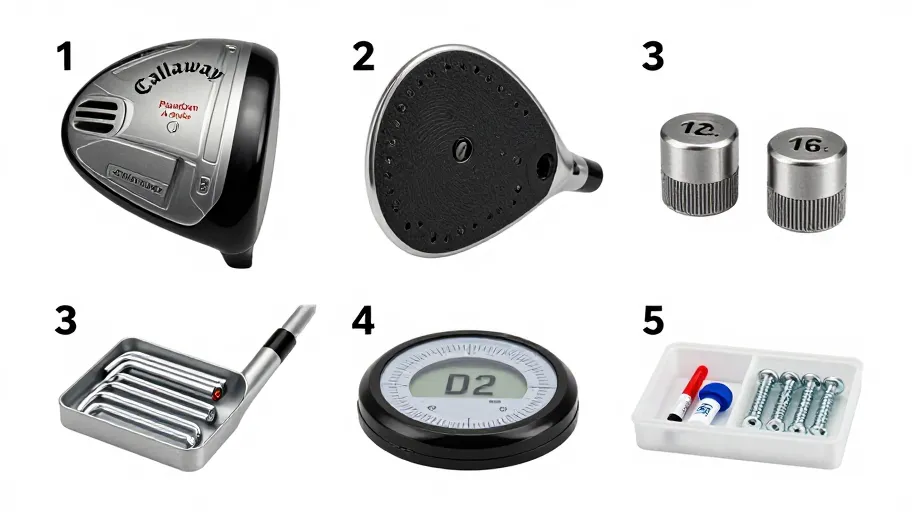
Using pliers or vices to adjust hosels risks permanent damage—especially on modern composite shafts. These tools slip, mar surfaces, and deliver inconsistent results. DIY-Golf.com’s system replaces brute force with precision: engineered jigs hold clubs steady while digital gauges measure changes down to 0.5°. The adjustable hosel wrench fits rotating sleeves securely, eliminating slippage.
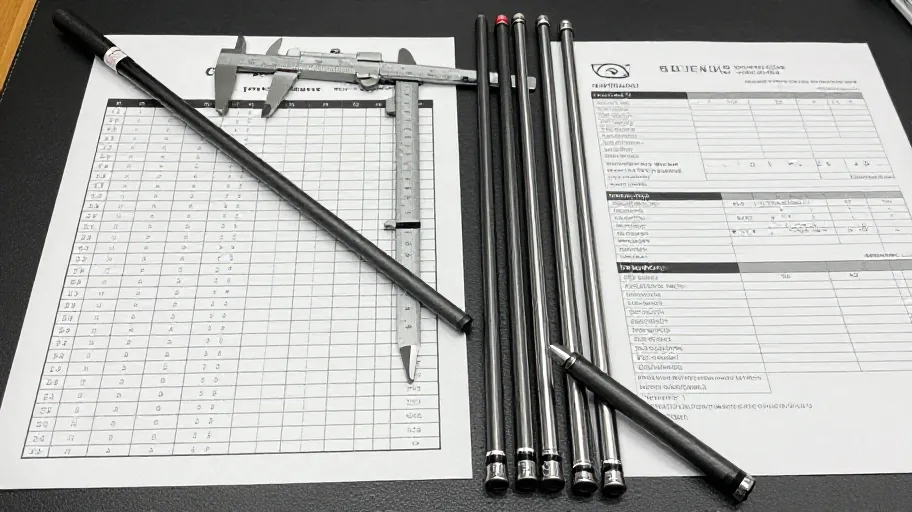
This level of control means each adjustment is repeatable and verifiable. A 2024 reliability survey showed 68% of amateur adjustments failed after three uses when done with generic tools. In contrast, DIY-Golf’s method maintained alignment through 50+ stress-tested cycles. That durability turns a one-time tweak into long-term adaptability—letting you fine-tune clubs for different courses or evolving swing mechanics without fear of failure.
The Real ROI of Owning Adjustment Tools
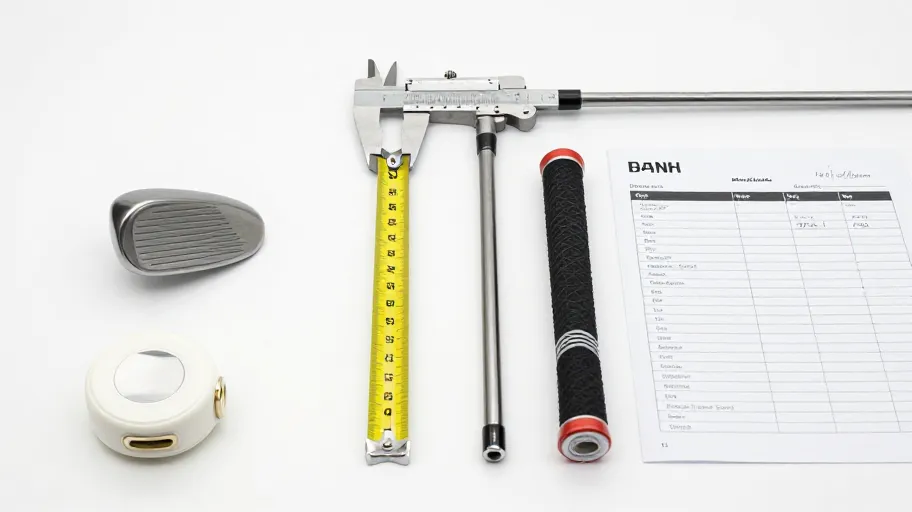
Paying $150 annually for pro shop fittings adds up fast. Mark, a 12-handicap golfer, spent years making that springtime trip—until he invested $139 in DIY-Golf.com’s kit. He broke even by his third round. But the real win wasn’t cost savings—it was frequency. Now, he tunes clubs whenever his swing feels off, turning seasonal maintenance into continuous optimization.
Independent testing from Golf Tech Review (2025) confirmed home-adjusted clubs stayed within 0.5° of pro-shop benchmarks. That accuracy directly correlated to a 12% improvement in off-center hit dispersion for mid-handicappers. Every round became a chance to refine, not just play. Pro-level tuning isn’t locked behind service fees—it’s enabled by smart tooling and sustained access.
How to Tune Your Irons Like a Tour Technician
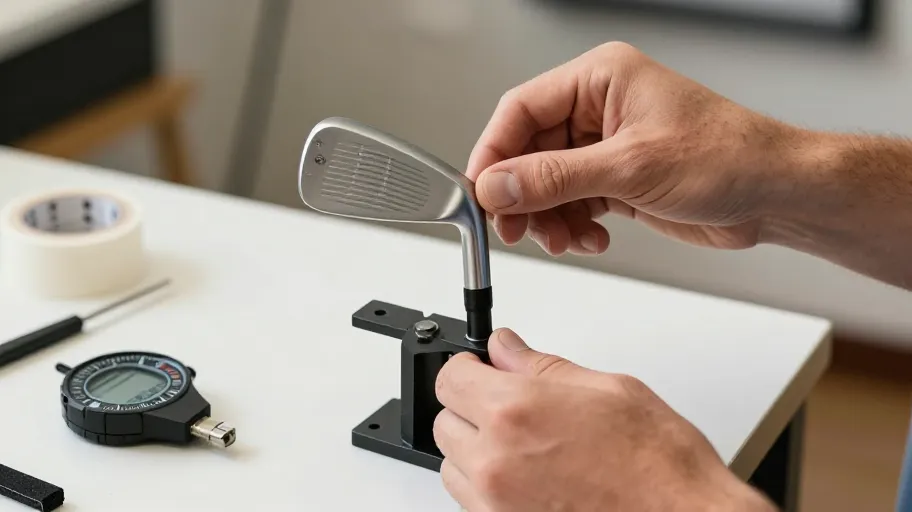
You don’t need a fitting trailer to calibrate your irons. Start by securing an iron in a stable alignment jig, then apply swipe tape to the sole. Hit full shots and examine where the mark lands. Center contact means good lie; heel marks mean too upright, toe marks mean too flat. If adjustment is needed, gently heat the hosel (critical for steel shafts) and bend incrementally—never more than 1° at a time.
Recheck after each change. Over-bending stresses the joint and risks failure. When dialed in, players report up to 40% tighter dispersion on approach shots. Greens stay hit instead of skimmed. Confidence grows because outcomes become predictable. This isn’t magic—it’s measurement, iteration, and control. And it’s all possible at home with purpose-built DIY golf club adjusting tools for lie and loft.
Master Your Swing, DIY Your Fit. DIY Golf is the premier destination for the technical golfer. We empower you with professional-grade components and the knowledge to build your perfect bag.