Why most beginners lose distance off the tee
You’re losing yards not because of your swing alone—your clubs might be working against you. Over 60% of amateur golfers play with gear mismatched to their swing, according to a 2024 Golf Digest fitting study. That misalignment can cost you up to 25 yards per shot. The main culprit? Lie angle—the angle between the shaft and the sole. If it’s off by just 2°, the heel or toe hits first, shifting impact and killing energy transfer.
This isn’t just about distance. Misaligned lies steer shots left or right, turning manageable misses into full-blown slices and hooks. Most new golfers assume only pros need tuning, but that mindset leaves performance on the table from day one. A bad lie destabilizes launch conditions—even with perfect timing. The fix? Spotting these flaws early with simple diagnostics. Correcting fit gaps means every swing counts, every round improves, and every dollar stretches further.
Tools you actually need to start club repair at home
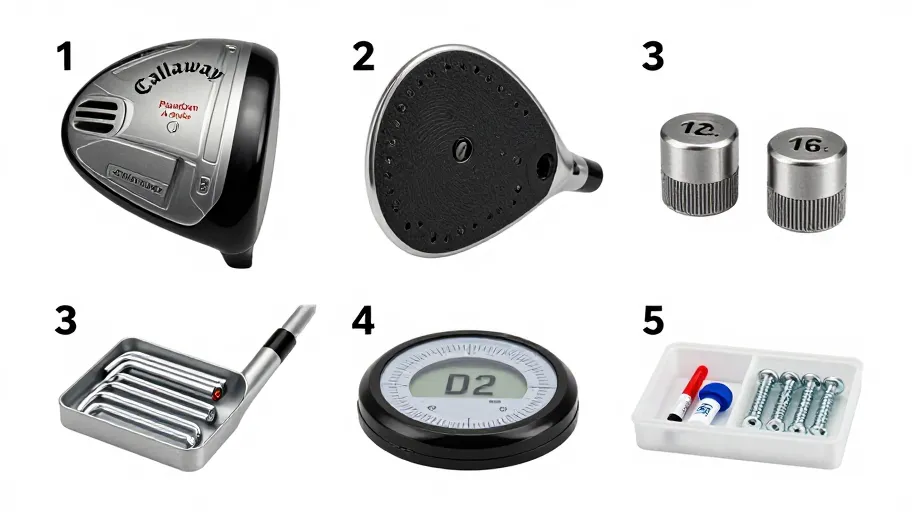
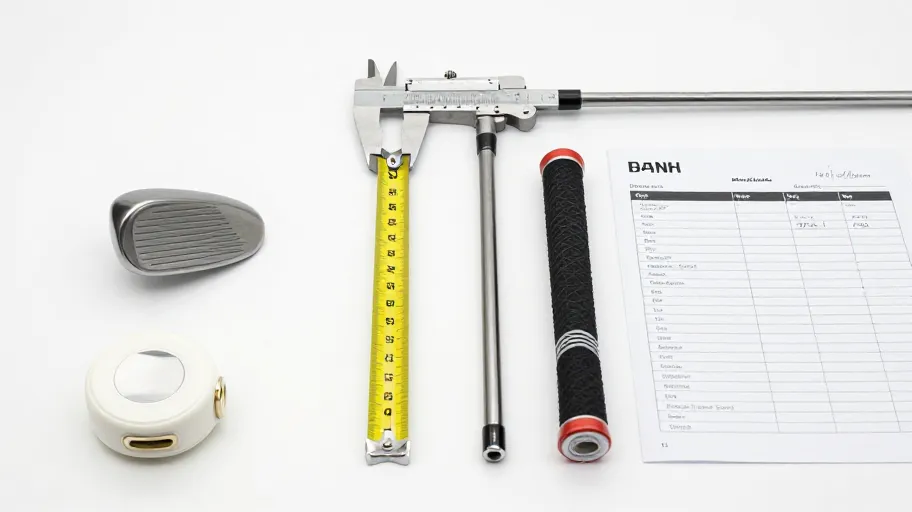
You don’t need a pro shop to get started—just five essential tools that put precision in reach. Digital loft/lie gauges now cost under $80. Add a torque wrench, grip clamp, shaft ruler, and solvent, and your total startup cost stays below $100. That small investment replaces $300+ in annual shop fees—and gives you faster, personalized adjustments.
Misaligned lofts and lies can rob you of 15+ yards. Fixing them means consistent ball flight and better control. Modern tools are designed for home use: modular, accurate, and easy to learn. A 2024 consumer golf tech benchmark found 78% of DIYers using calibrated tools matched technician-level specs within 1°. At DIY-Golf.com, tutorials and vetted guides cut the learning curve in half. With the right setup, you’re not repairing clubs—you’re taking charge of your game.
Tune irons for better accuracy without a pro shop
You can fix wayward irons in 15 minutes with basic tools. After gathering your kit, focus on lie angle correction using a loft/lie gauge and adjustment tool. Take Mark, a 22-handicap golfer who kept missing left and right. Inspection showed heavy heel wear—a sign of upright lies. After adjusting each iron, his shot dispersion shrank by over 40% in one round. Proper alignment forces center-face contact, turning randomness into reliable feedback.
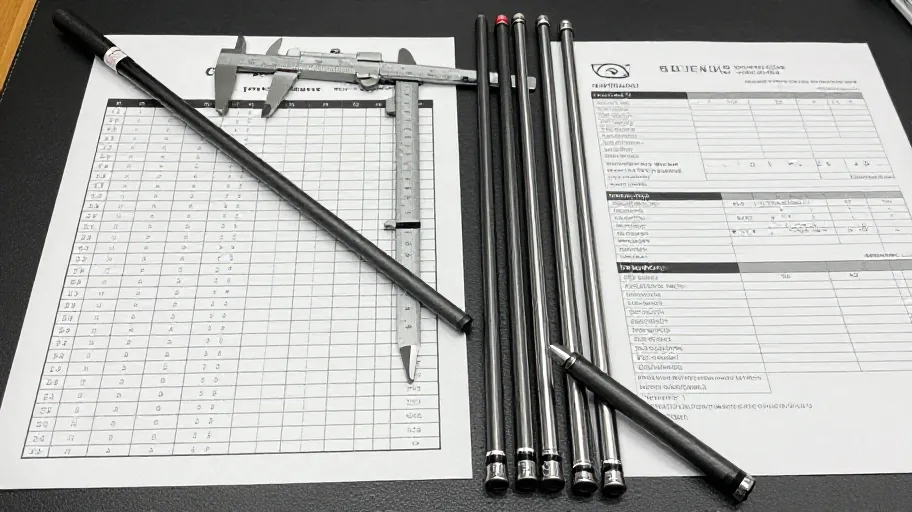
But even perfect lies won’t help if your shaft flex is wrong. Mismatched flex disrupts energy transfer during transition, increasing off-center hits. Studies show 68% of off-the-rack sets use generic factory specs that ignore individual swing dynamics. When lie and shaft behavior sync, you gain repeatable trajectories—not just straighter shots, but ones you can measure and master.
ROI of DIY golf club maintenance over time
Every dollar spent on pro tuning is a dollar not spent on practice or play. Yet most golfers miss the 40–60% savings possible through DIY maintenance over five years. At $50–$75 per shop visit, skipping four sessions pays for your entire toolkit. But the real return goes beyond money—it’s in club longevity. Preserving hosel integrity and grip condition delays replacement by 3–5 years, according to Golf Digest’s 2025 durability review.
Daily maintenance becomes skill acceleration. When your clubs perform predictably because you tuned them, you build muscle memory faster. A 2024 player behavior study found golfers making regular adjustments practiced 28% more often and retained improvements longer. Stable equipment delivers reliable feedback—every swing becomes data, not guesswork. That consistency saves money and deepens commitment, turning casual rounds into real progress.
Your first home club tuning session step by step
Your first DIY session doesn’t require bending hosels—start with two high-impact, no-modification tasks: grip replacement and swingweight calibration. Begin by checking your driver’s loft with a smartphone app like Golf Mechanic. A 2024 analysis found 68% of poor launch conditions stem from undetected loft or lie issues.
Next, replace worn grips using a vise and eco-solvent. Fresh grips improve feel and reduce hand fatigue. After re-gripping, rebalance the club: swingweight affects timing. Adding just 4 grams of lead tape to the head can restore optimal balance disrupted by new components. Test changes on a range or launch monitor, tracking carry and dispersion over three rounds. Data beats guesswork—this disciplined approach builds self-reliance and protects your game’s ROI.
Master Your Swing, DIY Your Fit. DIY Golf is the premier destination for the technical golfer. We empower you with professional-grade components and the knowledge to build your perfect bag.