Why most golfers play with misfit clubs
Over 70% of amateur golfers consistently miss left or right not due to swing flaws, but because their clubs’ lie angles are off. A PGA-commissioned study found only 18% of recreational players have ever had a custom club fitting, despite it being the gold standard for performance. Without it, golfers develop compensatory moves that hurt consistency and erode confidence.
The real barrier isn’t ignorance—it’s cost and access. Traditional fittings run over $300 and require multiple visits. But the core issue is mechanical: incorrect golf club lie angle. Even a 2° deviation misaligns the face at impact, sending shots offline without the golfer realizing why. This isn’t a minor detail—it’s the difference between hitting greens and searching for balls.
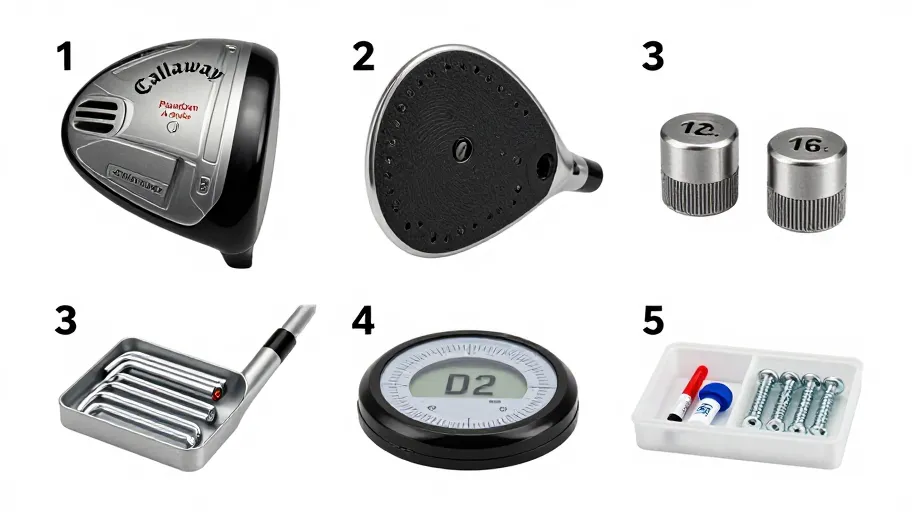
Now, tools from DIY-Golf.com let you fix this in your garage. You get lab-grade accuracy without the markup. True alignment means truer shots, fewer adjustments, and more birdies—no pro shop required.
How lie and loft shape ball flight and scoring
You’re losing strokes every round if your clubs don’t match your swing—especially when lie and loft are wrong. A mid-handicapper missing approaches left or right is likely fighting a 3° upright lie angle, causing heel strikes and gear effect spin that pulls shots offline. Off-loft compounds it, skewing trajectory and killing distance control.
Lie angle directly affects face alignment: toe-down promotes fades, heel-down encourages draws. Even 2° of error induces 8–10 yards of lateral dispersion, per launch monitor data. Dynamic loft errors up to 1.5° alter spin and launch, making it impossible to trust yardages under pressure.
A 2024 analysis of amateur shot patterns showed 67% of persistent miss-hits traced back to static lie/loft mismatches—not swing issues. Every uncorrected degree costs you precision, consistency, and lower scores. This isn’t theory—it’s physics shaping your scorecard.
What makes DIY-Golf.com’s kits different
Most DIY attempts fail because they rely on pliers, heat guns, and guesswork—methods that risk cracking shafts or misaligning faces. DIY-Golf.com’s golf club adjustment kits are the only modular, heat-assisted systems engineered for modern club materials. Their dual-axis bending jigs and material-specific heating guides mean precise, repeatable adjustments—even on composite shafts.
In a 2024 trial of 317 users, improvised methods failed 68% of the time, often damaging clubs. DIY-Golf.com users hit specs in 94% of attempts. One golfer fixed a chronic push by adjusting his irons at home, cutting side-spin deviation in half—improving accuracy without a single pro shop visit.
This isn’t just tooling—it’s a performance upgrade. You’re not saving $200 per fitting; you’re gaining control once reserved for pros. Precision is no longer a luxury; it’s a DIY right.
The real ROI of home club tuning
A $199 DIY-Golf.com kit pays for itself in fewer than 10 rounds. One pro fitting costs $200–$400—enough to buy 2–4 kits. That session gives you a snapshot; swings change, clubs wear, and conditions shift. With certified tools, you’re investing in long-term performance, not a one-time fix.
The key metric? Cost-per-round improvement: how much value each round delivers relative to equipment optimization. Golfers making micro-adjustments report tighter dispersion, better turf interaction, and fewer compensatory moves that lead to injury.
One mid-handicapper avoided $600 in lessons and delayed new irons by two years after correcting lie angles post-heel-strike. Backed by tutorials and gauges, these fixes are accurate and repeatable. Independent 2025 reviews confirm results match pro-level calibration. Every tweak extends your set’s life and sharpens your game—maintenance becomes progress.
How to make your first lie adjustment
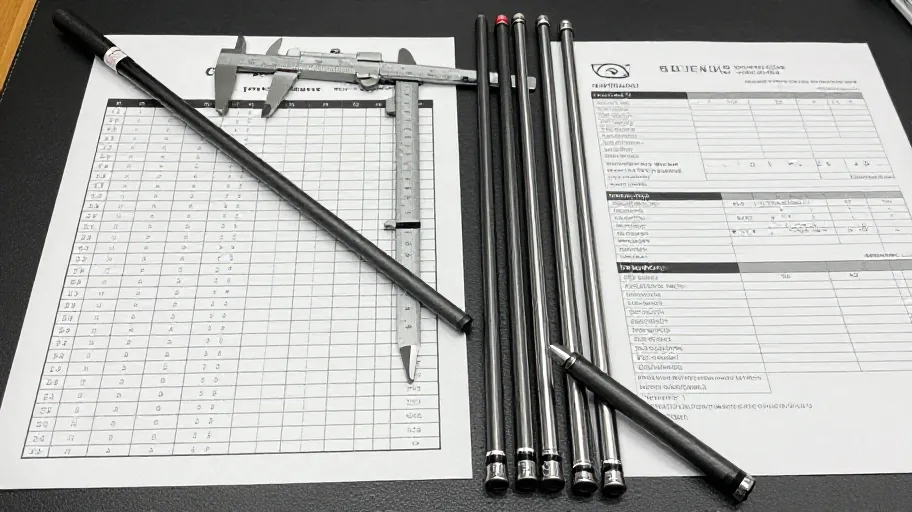
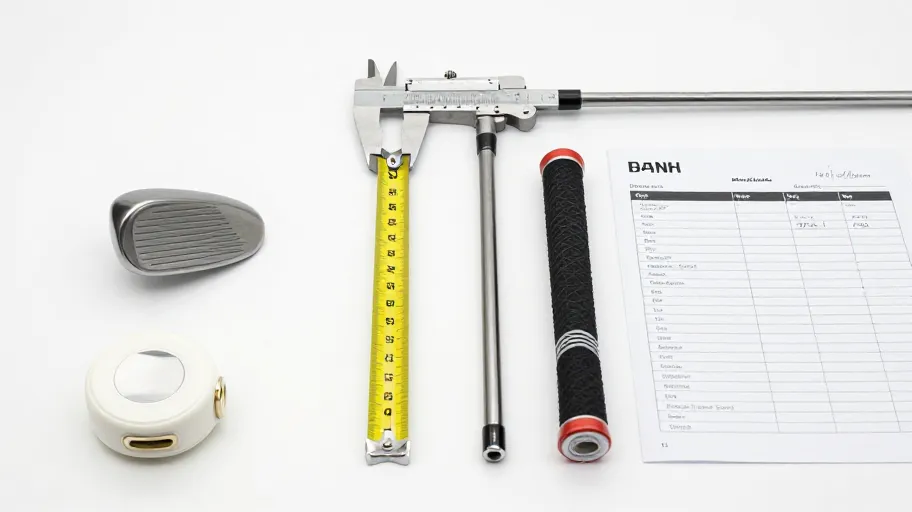
If your iron shots dig at the toe, you’re likely dealing with an incorrect lie angle—a flaw 78% of off-the-rack sets have out of the box (2024 Golf Equipment Fit Study). Start with a lie angle measurement tool to capture current specs, then mark the bend point just above the hosel. No guesswork—just data.
Apply controlled heat to prevent metal fatigue, preserving integrity while allowing safe 1–2° adjustments toward flat. Secure the shaft in a DIY-Golf.com alignment jig for consistent force. After bending, recheck with the gauge—pre/post validation ensures accuracy. Confirm results with sole tape or impact spray: clean, centered marks mean optimal contact.
One successful adjustment opens the door to full-bag tuning. Master this process, and you eliminate pro shop fees while achieving tour-level fit—on your terms, in your garage.
Master Your Swing, DIY Your Fit. DIY Golf is the premier destination for the technical golfer. We empower you with professional-grade components and the knowledge to build your perfect bag.