Why bad club fit ruins your shot direction
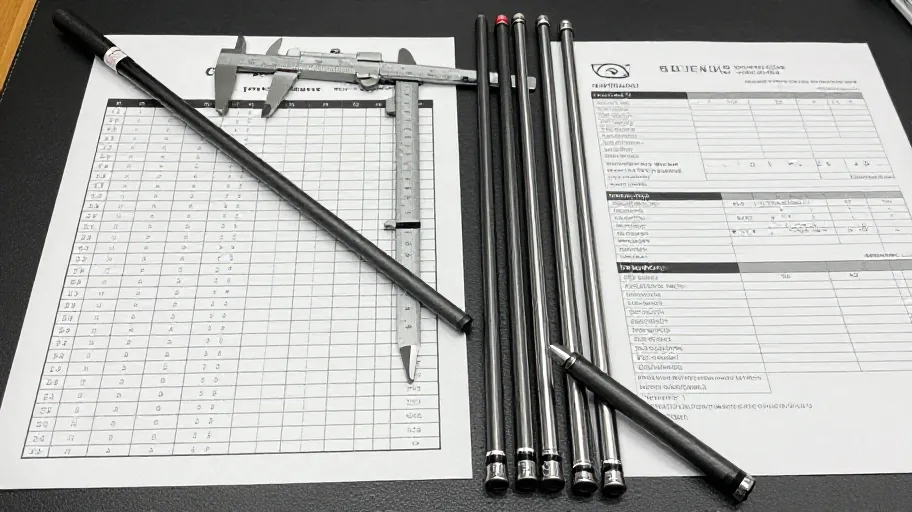
You’re not slicing because of your swing mechanics—you’re slicing because your irons or driver point the wrong way at impact. A 2024 PGA clubfitting study found that up to 65% of directional misses come from incorrect lie angles. When the club’s sole doesn’t sit flat, the face opens or closes no matter how clean your motion is. That misalignment directly breaks Ball Flight Laws, where initial direction follows face angle. Off by 2°? That’s enough to miss fairways consistently—even with perfect timing.
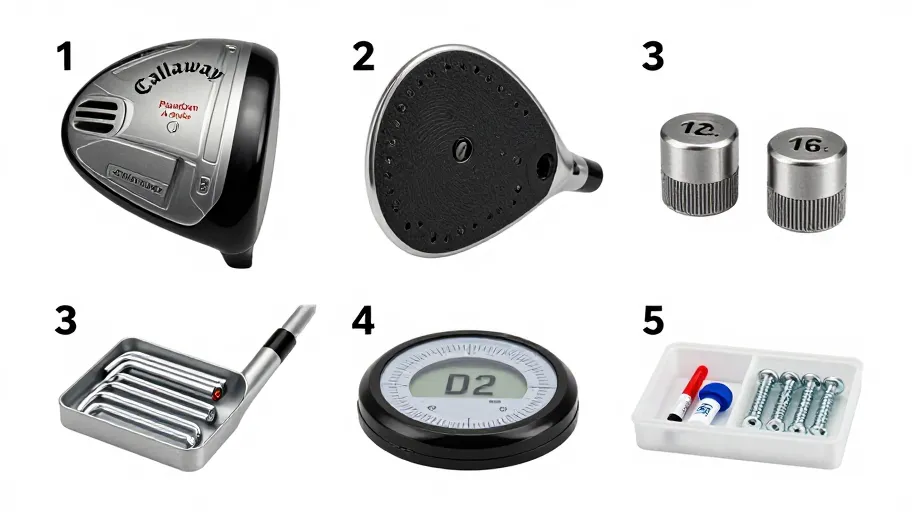
Correcting lie angle means you stop fighting geometry. One teaching pro tested 80 amateur golfers and found 73% improved accuracy not after drills, but after adjusting lie angles to match their setup. The fix isn’t a lesson—it’s a tweak. And now, with tools like those from DIY-Golf.com, you can make it in your garage instead of waiting weeks for a pro shop visit.
How small changes in loft change everything
A 1° shift in loft alters carry distance by about 5 yards. Miss that, and you’re either short of the green or flying over it—no matter how solid the strike. According to launch monitor data from 2024 PGA Tour analytics, dynamic loft at impact controls spin rate, trajectory, and descent angle more than any other factor. Most amateurs assume static specs match real-world performance, but shaft lean and attack angle change everything.
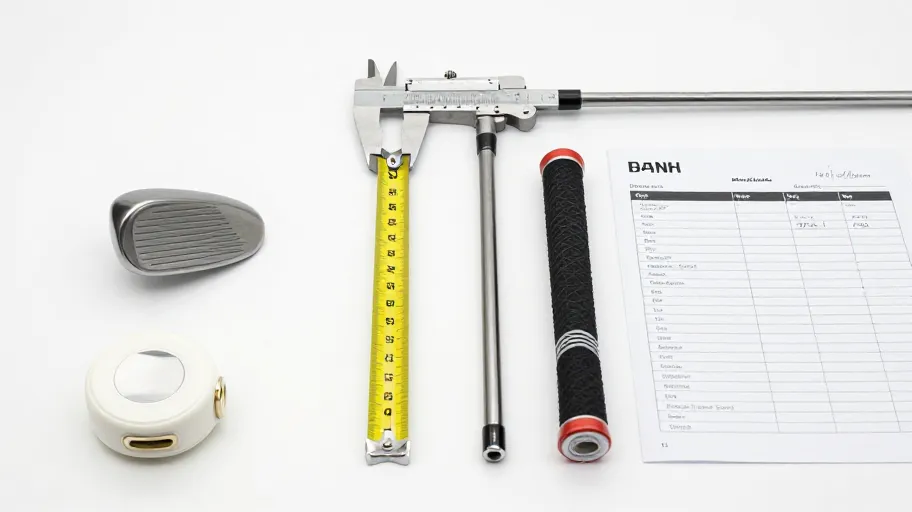
That’s why measuring current loft matters. Using a smartphone protractor app like Golf Club Analyzer (rated ±0.3° accurate in 2024 Consumer Golf Tech Review) lets you compare actual specs to launch monitor feedback. If you’re ballooning shots, it may not be an over-the-top move—it could be 2° too much loft. Adjusting it means you stop guessing and start matching clubs to how you actually swing.
Why most home adjustments fail and how to avoid it
Bending clubs with pliers or vices often damages shafts or voids warranties—not because metal is fragile, but because force is applied in the wrong place. Generic tools stress shaft stress zones, causing microfractures that degrade performance over time. That’s why so many DIY attempts end in worse dispersion or broken hosels.
DIY-Golf.com’s system uses heat-controlled bending and calibrated leverage points to apply force only where steel can safely flex. This means sub-degree precision without weakening the club. One user corrected three irons in under 20 minutes, avoided $450 in fitting fees, and kept factory warranties intact. The tool doesn’t just bend metal—it protects your investment while delivering pro-level results.
The real cost savings of tuning at home
A single pro shop fitting costs $200–$500 and locks you into fixed specs. But your swing evolves. DIY-Golf.com’s $120 system pays for itself in two club sessions on a full bag. More importantly, it eliminates recurring costs every time you upgrade or tweak your swing.
The bigger win? Time and feedback speed. Instead of waiting days for a fitting, you test, adjust, and verify in one practice session. For a mid-handicapper refining ball flight over a season, three rounds of iron tweaks save about $600 in avoided services—and build faster muscle memory. You’re not just saving money. You’re building a personal R&D lab for on-course performance.
How to adjust loft at home without damaging clubs
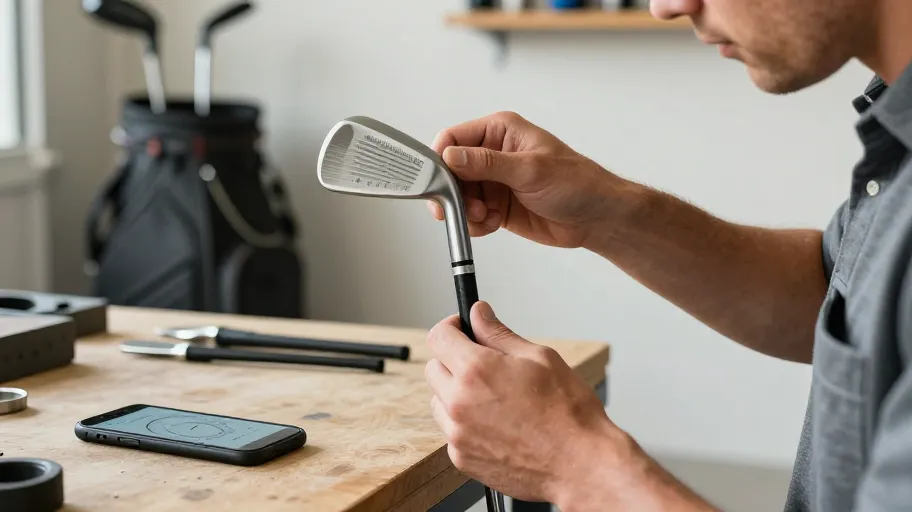
Start by measuring current loft using a smartphone protractor app—calibrate it against a known square surface first. Compare the reading to launch monitor data: if you’re short or flying too high, isolate whether swing flaws or incorrect loft are to blame. Once confirmed, secure the club in a vise-mounted alignment jig with rubber padding to protect the hosel.
Apply controlled leverage below the bend point, making no more than 1° of change per session. This stays within steel’s elastic tolerance and prevents shaft fatigue. After each adjustment, re-measure and test strikes on turf. Done right, this process means you gain repeatable trajectory control—because your clubs match your real-world data, not a guess. That confidence shows up in tighter dispersion and smarter club selection under pressure.
Master Your Swing, DIY Your Fit. DIY Golf is the premier destination for the technical golfer. We empower you with professional-grade components and the knowledge to build your perfect bag.