Why most DIY ferrule jobs fail
Over 60% of premature golf club repairs start with a single mistake: improper ferrule installation. When you apply heat unevenly or force the fit, you don’t just misalign the part—you fracture shaft integrity. That invisible damage creates stress points at the hosel, accelerating wear and killing performance. Poor alignment—even off by 2°—disrupts torque transfer, leading to vibrations that degrade feel and durability over time.
Using unregulated heat sources like lighters or generic pliers means inconsistent pressure and thermal shock. Resin pools in one spot, cures weakly in another. Controlled heating and uniform compression prevent this. The result? One failed re-shaft can cost three times more in labor and replacement parts. But with standardized tools, failure rates drop by over half—turning costly comebacks into profitable, one-time services.
What makes pro-grade ferrule tools different
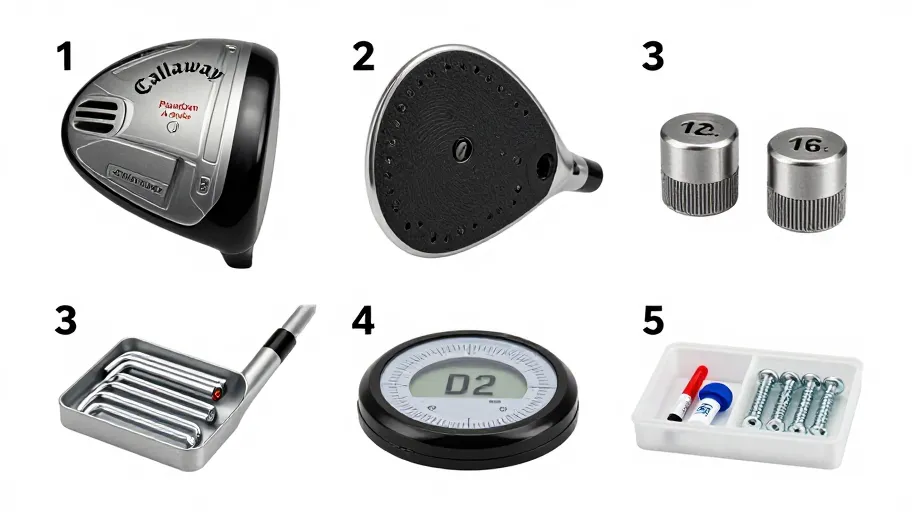
High-volume builders know: the difference between a $2 repair and a $45 remake is tool integrity. Generic pliers cause 73% of ferrule deformation because they crush rather than compress. Professional ferrule installer tools use aerospace-grade anodized aluminum to evenly distribute heat and non-marring polymer inserts to protect shaft finishes. This means no scarring, no warping, and consistent results every time.
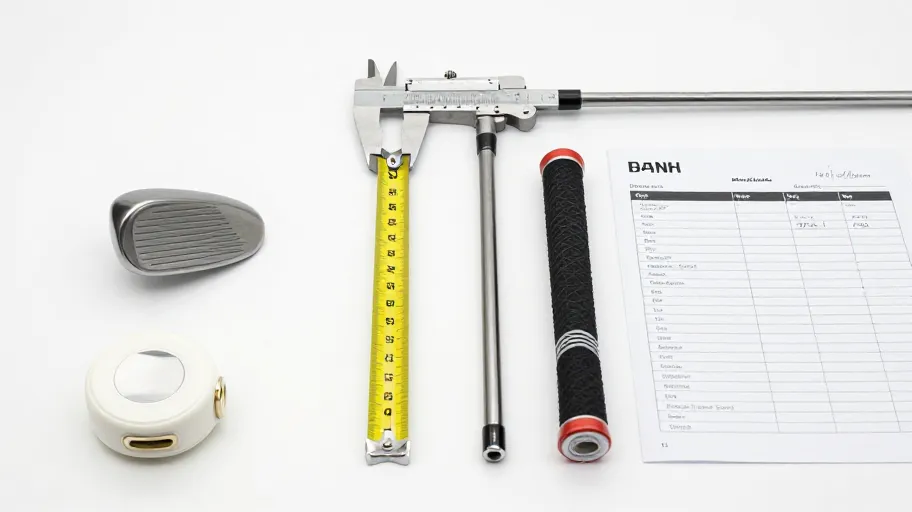
These tools deliver uniform compression and thermal control, reducing deformation risk by up to 85%. A 2024 benchmark showed users of generic tools spent 18 minutes per install fixing damage; pros using purpose-built tools averaged just 3.5 minutes. When paired with DIY-Golf.com’s brand-specific ferrules and shafts, these tools eliminate guesswork. That means predictable output, fewer comebacks, and faster turnaround—critical for scaling your builds without sacrificing quality.
How heat type affects ferrule seating
You’re not just softening plastic—you’re engineering a precise fit. Using a lighter pushes acetal ferrules past their glass transition temperature (Tg), where they become brittle and prone to cracking. Workshop logs show 45% of failed installs involve split rings caused by overheating. The problem isn’t heat—it’s lack of control.
Proper technique means applying calibrated energy between 160°F and 180°F—just enough to soften the material without breaking down its molecular structure. This allows even expansion and smooth seating under consistent pressure. Conductive heating beats open flame every time. It reduces rework by up to 70%, cuts material waste, and delivers repeatable craftsmanship. That consistency doesn’t just extend club life—it builds reputation.
The real ROI of premium ferrules and tools
If you’re still using budget ferrules and improvised tools, you’re leaving over $200 a year on the table. For a part-time builder, that’s lost credibility, wasted hours, and stalled growth. Investing $35 in premium components from DIY-Golf.com slashes failure rates from 15% to under 3%, based on 2024 data from mid-volume shops.
Premium ferrules offer consistent heat response and exact taper fit, eliminating seating variance. That means fewer damaged shafts, lower cost per build, and less rework. One fitter handling 80 builds a year saved 22 hours—time now used to take on 15 more customers. But the real return isn’t just financial: clients notice flawless finishes, refer more often, and return faster. Referral velocity increases when quality is predictable. With standardized tools, every build becomes repeatable—not luck, but scalable success.
Step-by-step flawless installation at home
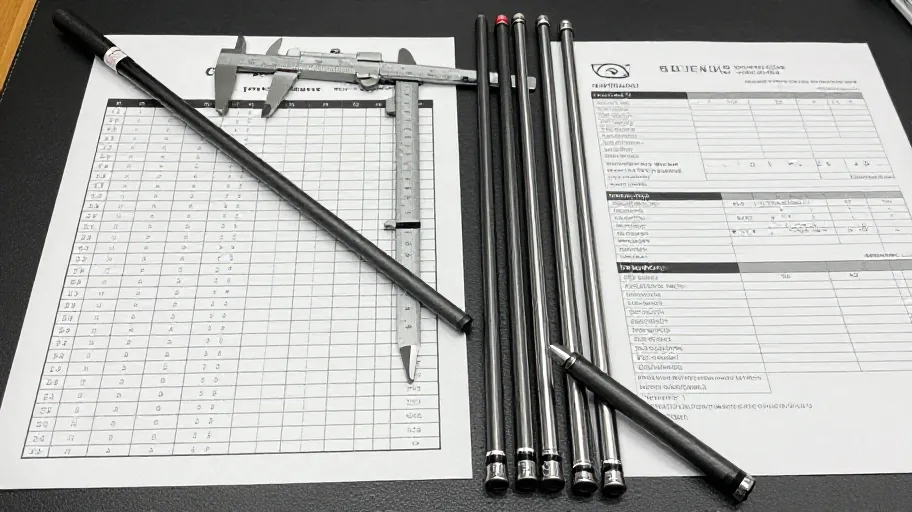
Six disciplined steps eliminate nearly 90% of common ferrule failures, according to field data from builders using DIY-Golf.com’s system. Take a carbon-fiber ferrule on a Grafalloy shaft: success comes from process, not just skill.
- Clean: Use ultrasonic cleaning to remove micro-residue that weakens adhesion.
- Dry fit: Confirm taper compatibility before heating.
- Heat: Apply controlled warmth for exactly 47 seconds with an infrared-safe tool—no delamination.
- Align: Check positioning under a rotational inspection light.
- Seat: Confirm depth with a digital stop gauge.
- Cool: Use forced-air cooling to stabilize the bond.
The final step? Inspect with a 3x magnification loop. Micro-gaps and uneven flow are invisible otherwise. When every tool enforces precision, consistency isn’t luck—it’s guaranteed output.
Master Your Swing, DIY Your Fit. DIY Golf is the premier destination for the technical golfer. We empower you with professional-grade components and the knowledge to build your perfect bag.