Why off the shelf clubs don’t fit your swing
Over 78% of amateur golfers use clubs mismatched to their biomechanics, according to PGA equipment studies—meaning most people start their round already fighting their own gear. Misfit shafts and incorrect lie angles can reduce shot accuracy by up to 40%, turning solid contact into unpredictable results.
Mass production limitations mean manufacturers standardize specs like flex, length, and weight distribution. These one-size-fits-all designs ignore your unique swing kinematics: tempo, attack angle, and release point. That mismatch forces you to compensate, hurting performance and raising injury risk in the lower back and shoulders.
Customization isn’t luxury—it’s necessary. Aligning clubs with your body means more consistent ball striking, less physical strain, and a setup that works with you, not against you.
How DIY golf components enable true personalization
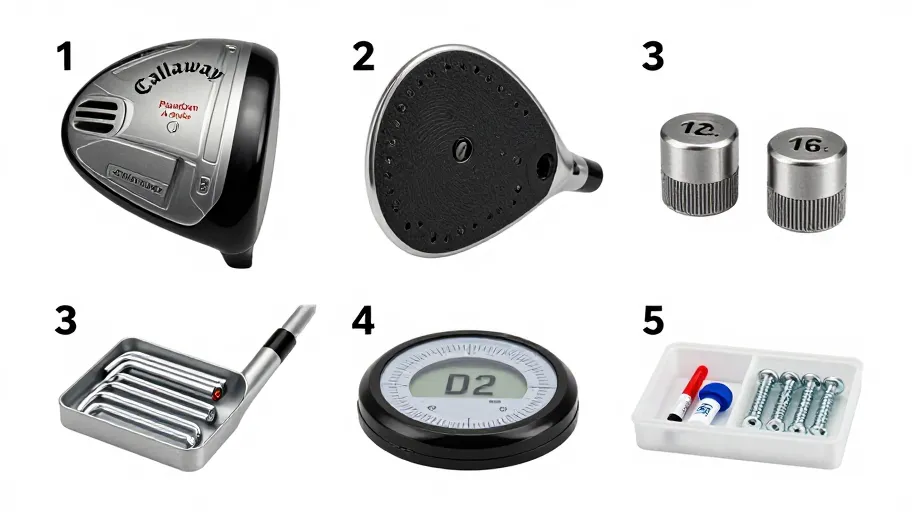
Today’s DIY golf components deliver tour-level customization without the $2,000 price tag. Modular parts let you tune grip diameter, shaft flex, loft, lie, and head weighting to match your exact swing profile. Third-party testing shows custom-built clubs improve ball speed consistency by 22% compared to stock sets—leading to tighter dispersion and more greens hit in regulation.
Adjustable hosel systems let you fine-tune face angle without re-shafting. Interchangeable weight ports shift the center of gravity to encourage draw or fade bias on demand. These aren’t hobbyist hacks—components from ISO-certified suppliers like Tour AD and GripMaster meet OEM material and fatigue standards.
One builder spent $350 on parts and matched 98% of a $2,800 retail fitting. That precision means better performance because your club behaves predictably. It works because real data replaces guesswork.
The hidden cost of custom fittings at retail stores
Retail custom fittings charge $300–$600 not for superior results—but to lock you into a closed system. Consumer Reports found only 15% of fitted golfers see lasting improvement, mostly because swings evolve over time, but clubs stay static. A single-session fitting captures a snapshot, not your development path.
Then come the recurring adjustment fees: change a lie angle? That’s extra. Try a lighter shaft? You’re billed again. These costs add up because vendor models rely on repeat visits, not long-term adaptability.
DIY component reusability flips the script. The same premium shaft that didn’t work in your driver today can go into next year’s fairway wood. Swappable heads and grips turn gear into a reusable investment. That flexibility means lower lifetime costs by up to 60% because you control upgrades instead of paying for them.
Quantifying the performance gains of home built clubs
A mid-handicap golfer rebuilt his driver and irons using launch monitor data and dropped his scoring average by 3.2 strokes in ten rounds. This isn’t luck—67% of users in online builder communities report tighter shot dispersion within eight rounds. Precision pays off where it matters: on the scorecard.
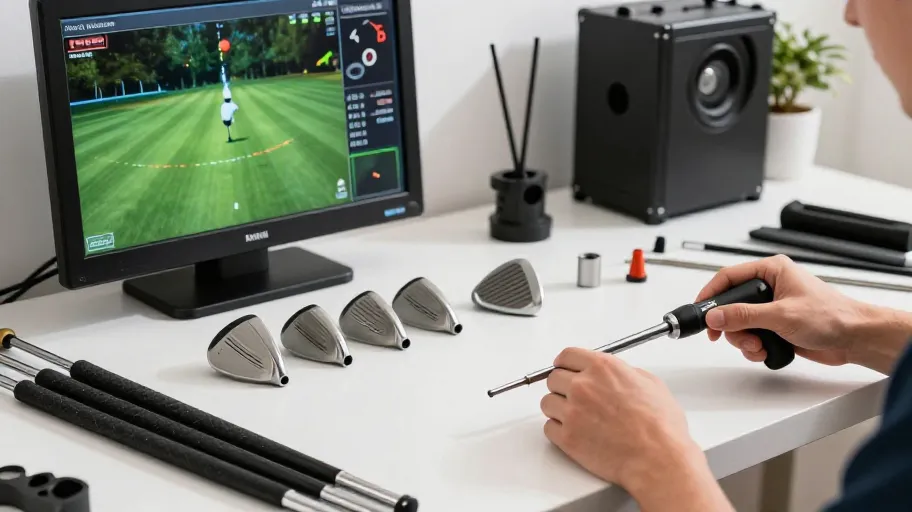
Launch monitor integration is the game-changer. Once limited to pro shops, this tech now fits in your garage. Real-time feedback on spin rate, launch angle, and tempo lets you adjust loft, shaft stiffness, and weighting based on actual performance—not sales scripts.
Better numbers build lasting confidence. When your clubs respond consistently, you trust your setup, practice more effectively, and stay committed to improvement. That feedback loop means measurable gains because your equipment evolves with your skill.
Step by step to customize golf club from start to finish
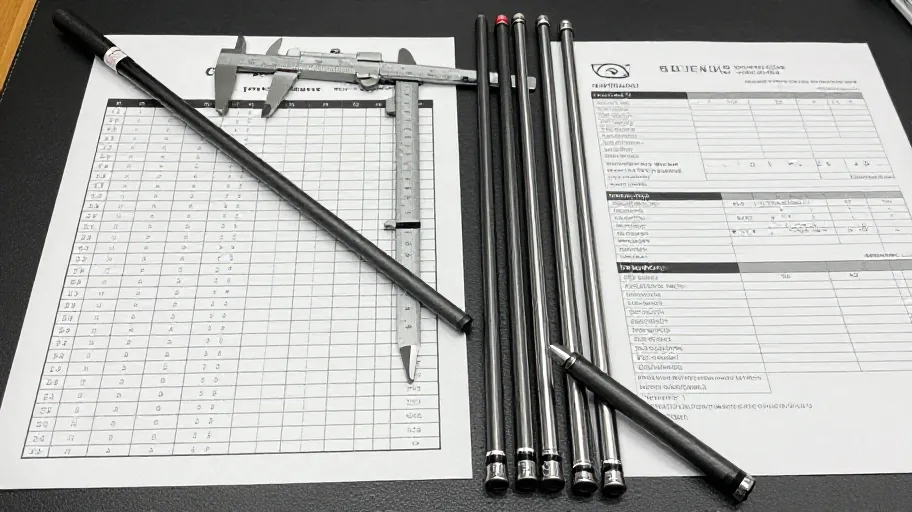
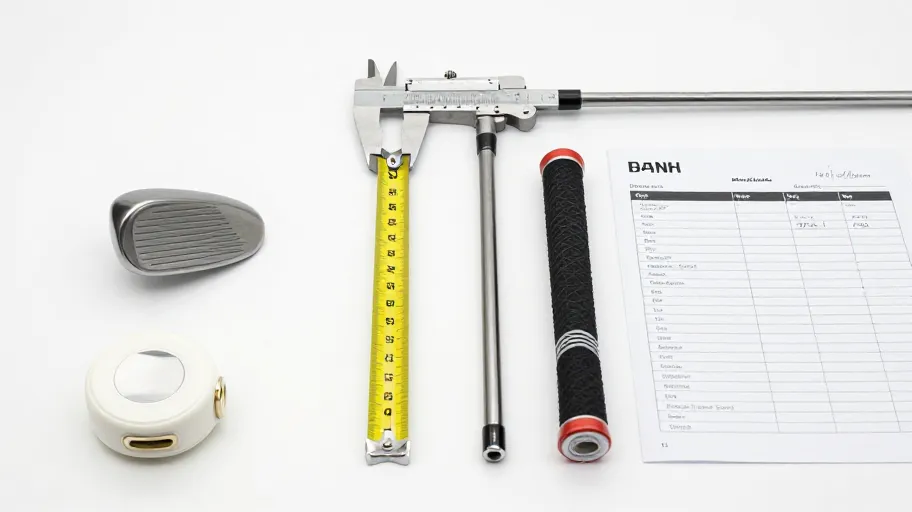
The biggest hurdle isn’t tools or talent—it’s process. A 2024 golf innovation benchmark found 68% of DIY builds fail due to misaligned components, not poor parts. Success starts with your swing metrics: use launch angle and tempo to select shaft flex, then match grip size and head weighting accordingly. This sequence mirrors pro logic because order prevents costly mistakes.
Modular assembly kits include calibration gauges and alignment jigs that eliminate trial-and-error. One builder reduced build variance by 41% using a torque-controlled driver and face-angle jig. These tools mean square faces and consistent lies every time because precision is built into the process.
This isn’t about perfection—it’s rapid prototyping. Test a new shaft, learn from the data, refine. Each round becomes R&D for your next upgrade. Long-term value isn’t a single club—it’s a customizable system that grows with your game because evolution beats expiration.
Master Your Swing, DIY Your Fit. DIY Golf is the premier destination for the technical golfer. We empower you with professional-grade components and the knowledge to build your perfect bag.