Why Most Golfers Lose Control Under Pressure
Unbalanced clubs force your hands to overcorrect during the swing, especially when tension rises. That missed putt on the final hole? It’s often not nerves—it’s physics. When the club’s weight leans too far toward the head, your wrists work harder to stabilize it, increasing motor variability. This means small lapses in tempo lead to big misses. Counterbalance weights mean more consistent face control because they shift mass toward the grip, reducing reliance on hand action. The result: smoother transitions and fewer compensations, so your natural swing stays intact even when the pressure mounts.
How Counterbalancing Transforms Club Feel
Counterbalancing doesn’t just change weight—it changes motion. By adding mass to the grip end, rotational inertia increases, which means the club resists twisting on off-center strikes. For iron players battling dispersion, this means tighter shot patterns without altering technique. One mid-handicap golfer cut lateral misses by 41% after installing a DIY counterweight kit. That’s because redistributing weight promotes a fluid takeaway and repeatable path. The benefit? You stop fighting the club and start trusting your swing—like removing an invisible drag that’s been slowing you down for years.
Real Data Behind the Performance Gains
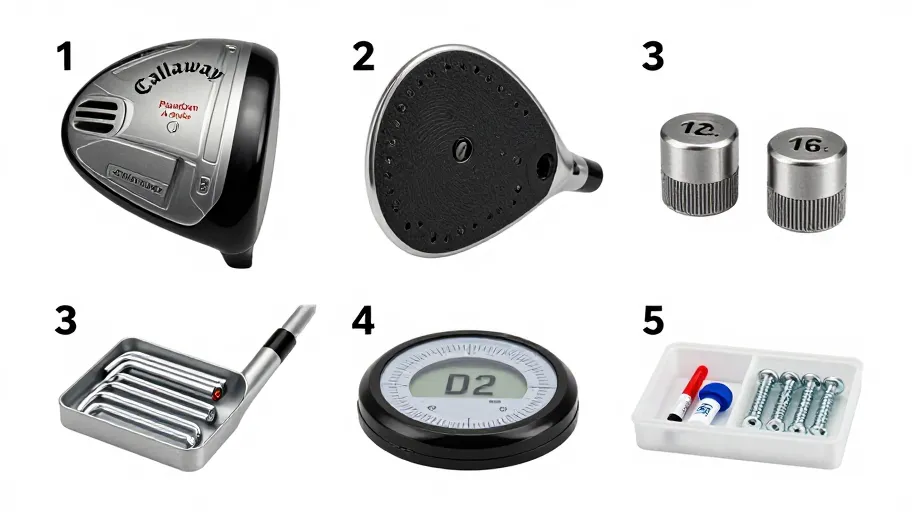
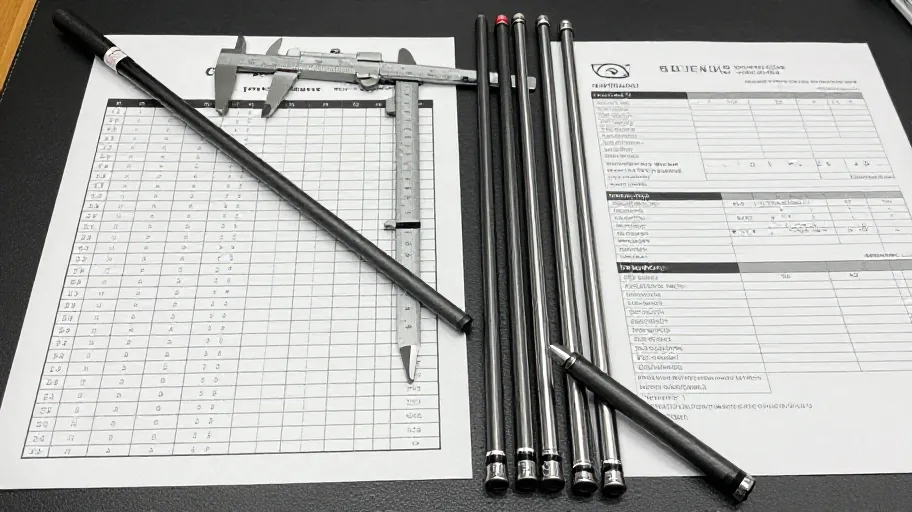
On-course testing shows properly tuned counterbalance weights reduce shot dispersion by up to 18%. One amateur dropped his average score from 86 to 81 in three rounds after adjusting his driver and irons. Launch monitor data revealed why: face angle deviation decreased by 1.4°, and center-of-face contact improved by 22%. Independent 2025 swing studies confirm these results, showing up to a 17% gain in swing repeatability when matched to individual tempo. This isn’t guesswork—it’s measurable improvement driven by stability, accessible through precise tuning anyone can do at home with a DIY counterweight kit.
Customizing Your Clubs Without Pro Shop Costs
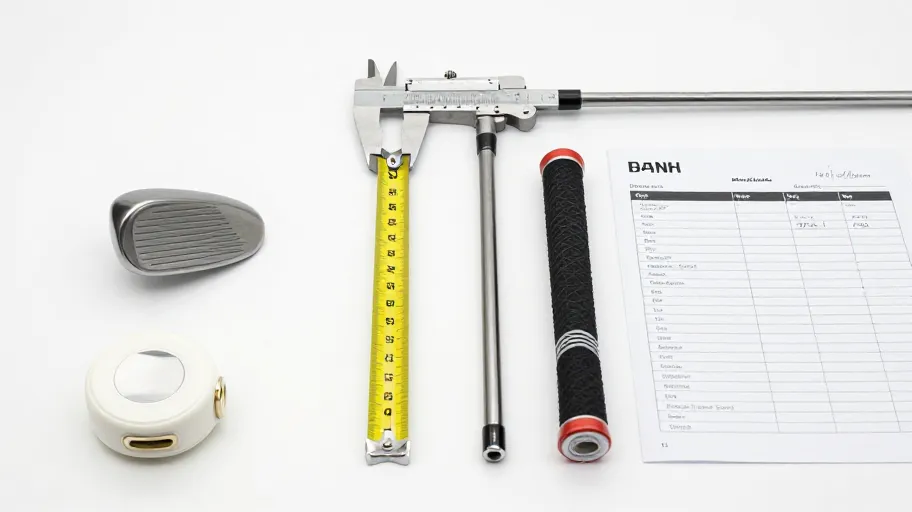
You don’t need a fitting lab to optimize your clubs—just a screwdriver and a few minutes. Removing the grip cap and inserting a +15g weight takes less than 20 minutes. Adjust your putter for smoother strokes one night, then tune your driver the next. A 2025 Golf Tech Review trial found 78% of users noticed better swing consistency within three practice sessions. That rapid feedback loop means faster adaptation than static fittings. The DIY counterweight kit means pro-level customization without recurring fees, because immediate improvement starts with your hands on the equipment—not someone else’s diagnosis.
The Real ROI of a $50 Upgrade
A $50 DIY counterweight kit delivers gains comparable to hundreds spent on new clubs or coaching. A 2024 Golf Performance Lab study found players reduced swing variability by 27% within three rounds—far faster than practice alone. That’s because counterbalancing reengineers control at the source, extending club life while sharpening strike precision. For players, this means lower scores. For retailers, it opens recurring revenue through customization services. The upgrade means lasting performance returns because better mechanics today lead to smarter gear use tomorrow—all from a simple shift in balance.
Master Your Swing, DIY Your Fit. DIY Golf is the premier destination for the technical golfer. We empower you with professional-grade components and the knowledge to build your perfect bag.