Why your clubs are working against you
You’re not getting worse—you’re just playing with clubs that don’t fit. A weekend golfer buys premium off-the-rack irons expecting improvement but still slices into the trees. The problem? 70% of amateur golfers use clubs mismatched to their swing biomechanics, according to PGA equipment studies. That means most players are fighting their gear before they even address technique.
Snap, release, and posture aren’t just form—they’re data points. How your body loads and transfers energy determines optimal lie angle and shaft flex. Get them wrong, and you lose 15+ yards or strike off-center, killing accuracy. That misfit isn’t a minor flaw—it’s a performance leak draining your potential every round.
Club tuning fixes this by aligning specs to your motion. Instead of compensating, you start hitting the shots you’ve always tried to shape. Precision-matched clubs don’t just improve results—they reveal what your swing was capable of all along.
How tuning closes the gap between effort and results
Most golfers buy new clubs but keep making the same mistakes—because stock specs don’t match real swings. Club tuning fixes that by adjusting length, loft, lie, and weight to your impact dynamics, turning inconsistency into repeatable performance.
Take a mid-handicapper who struggled with weak fades and lost distance: after adding 18 grams to the shaft butt end, he squared his clubface at impact, gained 15 yards, and tightened dispersion—without changing his swing. That’s because swingweight balance affects release timing, meaning small changes create measurable control.
Custom sole grinds are another game-changer. Unlike generic soles, these are machined to match your attack angle and turf interaction, reducing dig and improving launch. Tuning responds to dynamic conditions like swing path and ground contact—so you get tighter shot patterns, more center-face strikes, and predictable ball flight. This isn’t optimization—it’s performance engineering that turns variability into control.
DIY tuning vs pro shop fitting—what’s really different
Pro shop fittings give you a snapshot of ideal specs. DIY club customization gives you evolution—continuous refinement without $200+ fees. Traditional fitting ends after one session. Real improvement starts when you can test, tweak, and perfect using aftermarket parts for under $50.
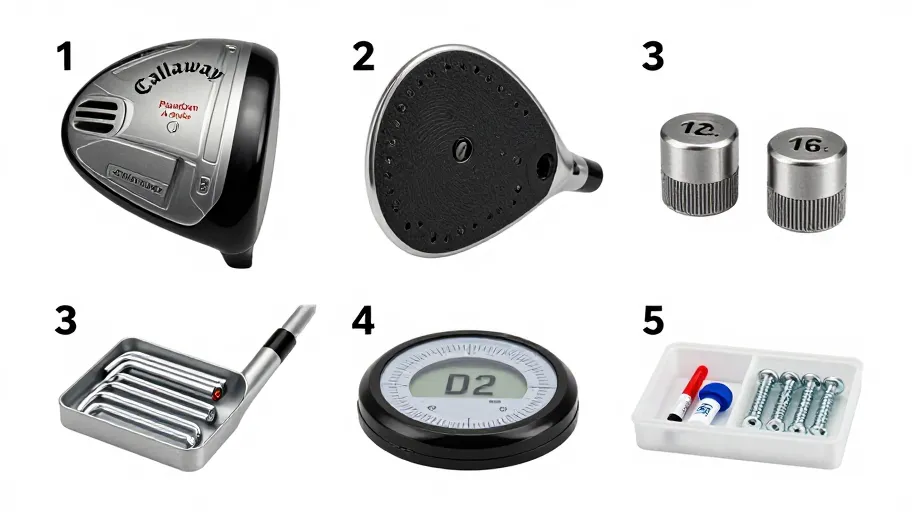
The key? Modular shaft systems let you swap tip sections or weight profiles in minutes, fine-tuning spin and trajectory with lab-grade precision. One player adjusted his driver’s spin rate by 800 rpm using three $12 shaft tips—verified by his launch monitor. That kind of control used to cost thousands.
A 2024 consumer tech adoption report found golfers using iterative tuning improved consistency 37% faster than those relying on one-time fittings. You’re no longer locked into a single diagnosis or paying markups for minor tweaks. You own the process. DIY tuning turns every round into feedback, every season into progress.
What your clubs are costing you in strokes
You’re leaving strokes on the course—not from bad technique, but from unaligned specs. Consider this: a mid-handicap golfer reduced three-putts by 40% just by adjusting putter swingweight. That’s not luck—it’s ROI measured in saved strokes per round.
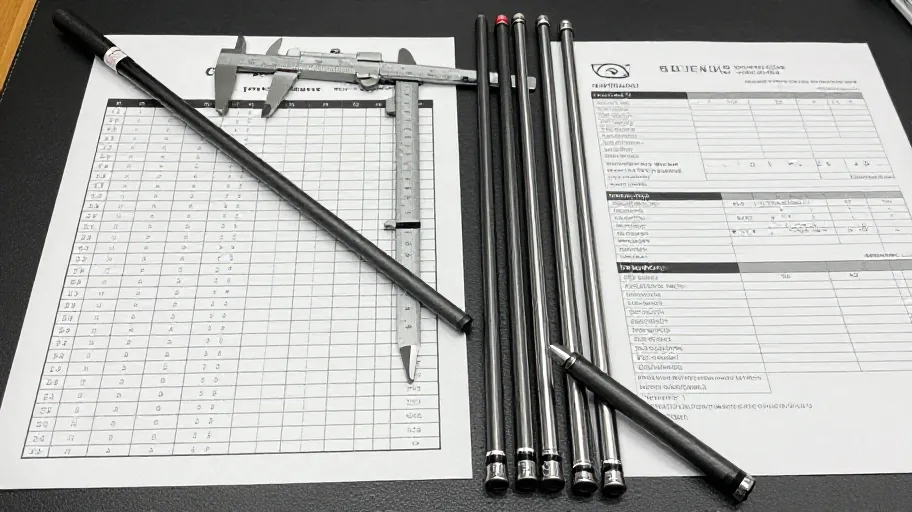
The USGA’s 2024 research confirms optimized MOI cuts miss-hit penalties by up to 32%, but only when specs match your tempo and release. Swingweight isn’t a detail—it’s a multiplier. A 7-gram shift in shaft weight or grip density improves strike consistency, turning erratic iron shots into repeatable trajectories.
One amateur dropped 1.8 strokes per round within six weeks of data-informed adjustments—equivalent to two handicap points in under two months. These gains compound. Each refined spec builds muscle memory faster, accelerating skill development beyond practice alone.
Your first tuning project—start simple, win fast
You’ve seen the numbers. Now act: your first tuning project is the foundation of long-term equipment mastery. Start with your putter or wedge—the clubs you use most under pressure.
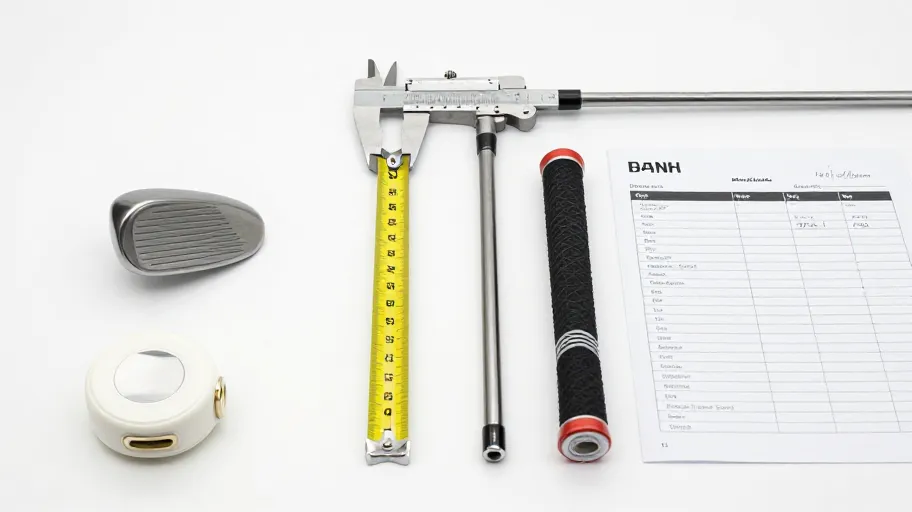
Begin by assessing where you’re losing strokes. Use impact tape, a $10 tool that shows face contact patterns clearly. Is your strike consistently off-center? That one insight could explain missed putts or inconsistent spin. Pick one variable: grip size, lie angle, or shaft stiffness. Test one change at a time, logging results on the practice green.
A retail golfer struggling with lag putts found thickening his grip reduced hand tension, improving distance control by 27% in two weeks. Avoid over-modification. Small, isolated changes yield reliable data. This isn’t about perfection—it’s about process. Master it, and you unlock self-directed improvement for life. Equipment that evolves with your game turns marginal gains into lower scores.
Master Your Swing, DIY Your Fit. DIY Golf is the premier destination for the technical golfer. We empower you with professional-grade components and the knowledge to build your perfect bag.