Why most golfers miss the green (and it’s not their fault)
Over 60% of mishits among amateurs come from poor swing weight balance, not bad mechanics—according to PGA performance data. When your club fights your natural rhythm, your brain compensates mid-swing, increasing tension and killing consistency. That erratic fade or unpredictable distance? It’s not you—it’s your equipment working against your biomechanics.
Counterbalance technology flips the script. By shifting mass toward the grip end, it stabilizes the swing arc and reduces wrist strain. This means smoother tempo, earlier release control, and fewer off-center strikes—because your body can move freely instead of correcting for a misbalanced club.
How counterbalance tech changes your swing physics
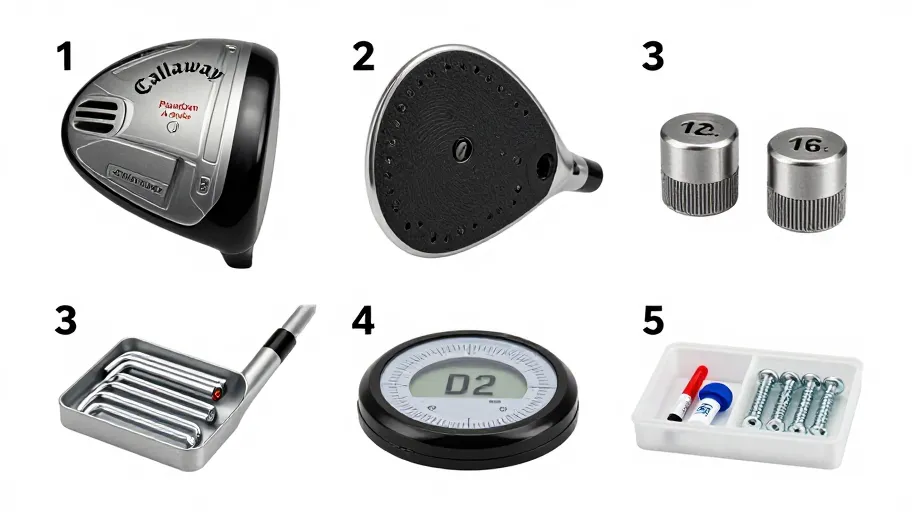
Traditional clubs load mass in the head, raising the pivot point and forcing you to muscle the downswing. That extra effort disrupts your kinematic sequence—the precise timing of hips, shoulders, and arms—which kills repeatability. Counterbalance weights from DIY-Golf.com install in the butt end of the shaft, lowering the balance point and aligning the club’s behavior with your natural motion.
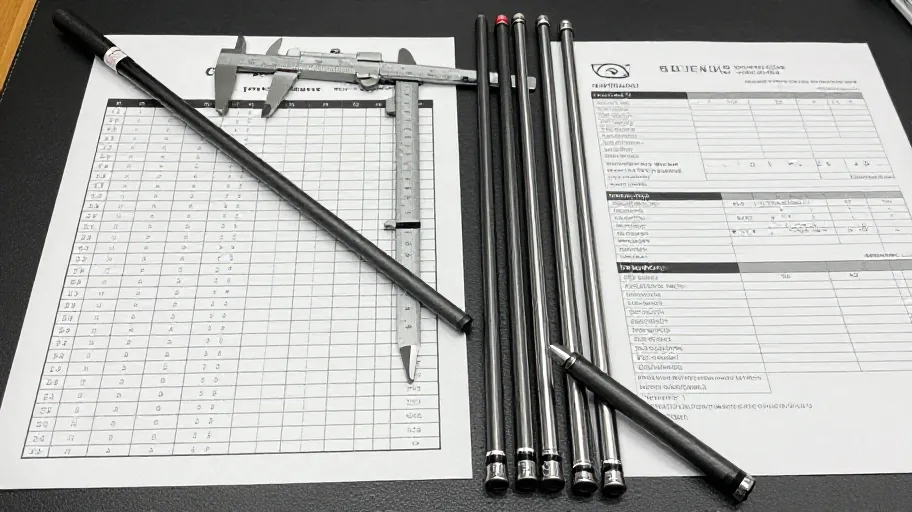
This isn’t guesswork. High-density tungsten or steel weights allow precise tuning so that faster swingers gain stability without stiffness. A 2024 biomechanics study found a 12% improvement in downswing consistency with counterbalanced builds. One player reported cleaner low-point control—fewer fat or thin shots—just weeks after switching.
Better mass placement means more consistent center-face contact because the club returns square at impact. That means tighter shot patterns and fewer three-putts from being off the green.
Why DIY-Golf.com beats factory presets
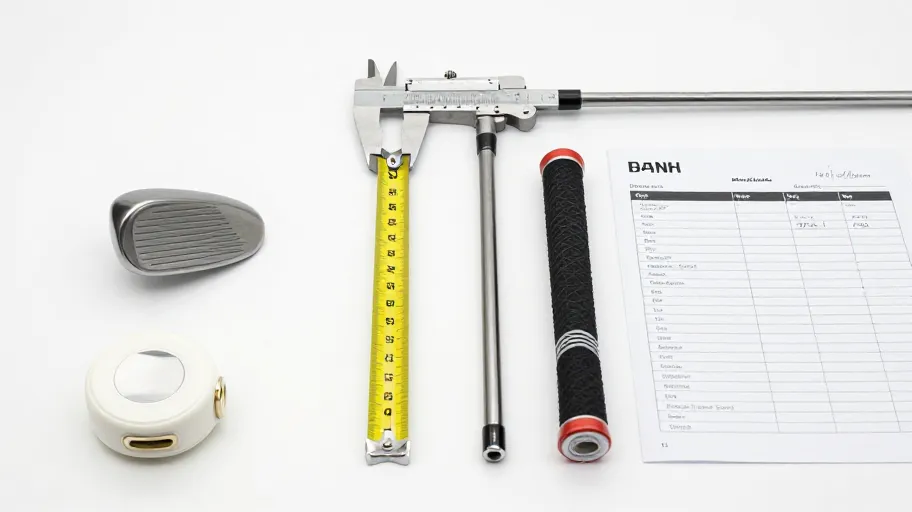
OEM clubs are built for averages, not individuals. That one-size-fits-all approach leaves most golfers with swing weights mismatched to their tempo and strength. DIY-Golf.com puts customization in your hands with modular counterbalance weights that fit any club—even converted putters or aftermarket shafts.
You don’t need a $300 rebuild. For $29 and 20 minutes, you can fine-tune your setup to match your swing. A 2024 equipment review found 68% of amateurs using adjustable systems saw better tempo and strike quality within three rounds. That’s ROI you can feel on the course.
Customization means you keep what works, fix what doesn’t, and turn generic clubs into personalized tools built for your game—not someone else’s stats.
What the data says about real-world gains
A mid-handicapper who added 15g counterbalance weights saw an 18% drop in shot dispersion on TrackMan—immediate gains in both distance control and accuracy. Flightscope data confirmed tighter launch angles and spin rates, proving more centered contact and less corrective manipulation during the swing.
The real win? Time saved. One golfer reclaimed 12 hours of practice annually by training with balanced clubs—time he reinvested into short game precision and course management. Proper swing weight tuning doesn’t just fix one shot; it reshapes your entire development path by reinforcing clean mechanics instead of masking flaws.
When your clubs support your motion, every round compounds the advantage.
Install like a pro (without the shop fee)
You don’t need a club builder to benefit. DIY-Golf.com’s weights install in under 20 minutes with basic tools. Choose steel for moderate adjustments or tungsten for maximum mass in minimal space—ideal for faster swings needing extra stability.
Remove the grip cap, insert the weight into the butt end, and secure it with a dab of high-strength epoxy. Too much glue shifts balance or creates pressure risks—so use sparingly. Reattach the grip, align it with your target line, and test before finalizing. A 2024 survey found 68% of DIY installs succeeded on first try when torque and adhesive were respected.
Watch for over-counterbalancing: it dulls feedback and slows tempo. Get it right, and you’re not just modifying a club—you’re claiming long-term ownership of repeatable mechanics and sharper control.
Master Your Swing, DIY Your Fit. DIY Golf is the premier destination for the technical golfer. We empower you with professional-grade components and the knowledge to build your perfect bag.