Why your clubs might be working against you
It’s not your fault if your shots feel inconsistent. Off-the-rack clubs are built for averages, not individuals. That means a 5’6” player with a smooth tempo gets the same default weighting as a 6’2” power hitter. When swing weight doesn’t match your downswing dynamics, you fight the club instead of flowing with it. We’ve seen amateur players gain 15 yards just by switching from a D0 to a C8—no swing changes, no lessons. The club finally worked with them.
A 2024 PGA benchmark found 68% of mid-handicappers use clubs mismatched to their tempo. That misalignment increases timing errors, reduces energy transfer, and widens shot dispersion. Think of it like driving a car with unbalanced tires—everything feels off, even if the engine runs fine. Properly matched golf club swing weight means better control because the clubhead releases at the right moment, every time.
What swing weight actually does in your swing
Swing weight isn’t total club weight—it’s how the mass feels during motion. A D2 club might feel light at address but heavy on the downswing if the head is too massive relative to the grip end. That imbalance forces early release or casting, robbing you of lag and power. Two players with identical swing speeds can have opposite results just because one is using a C7 and the other a D4.
The D0–D8 scale measures this balance. Each point represents a small shift in torque that affects release timing. A 3-point difference alters downswing tempo by up to 8%, according to club-fitting labs. Matching your swing weight means aligning that balance point to your natural rhythm. The benefit? You stop compensating and start repeating your swing. Amateurs in 2025 fittings saw 12% better strike consistency and recovered 4–6 yards on off-center hits—because physics finally worked in their favor.
How to pick clubs based on your swing, not guesswork
Choosing clubs should start with your biomechanics, not brand loyalty. Swing speed matters, but tempo and release point matter more. Fast swingers don’t always need heavier clubs—some thrive at C8 if they transition smoothly. One 68-year-old golfer gained 15 yards in carry simply by moving to a lighter swing weight that matched his timing. His launch monitor showed better center-face contact and reduced spin.
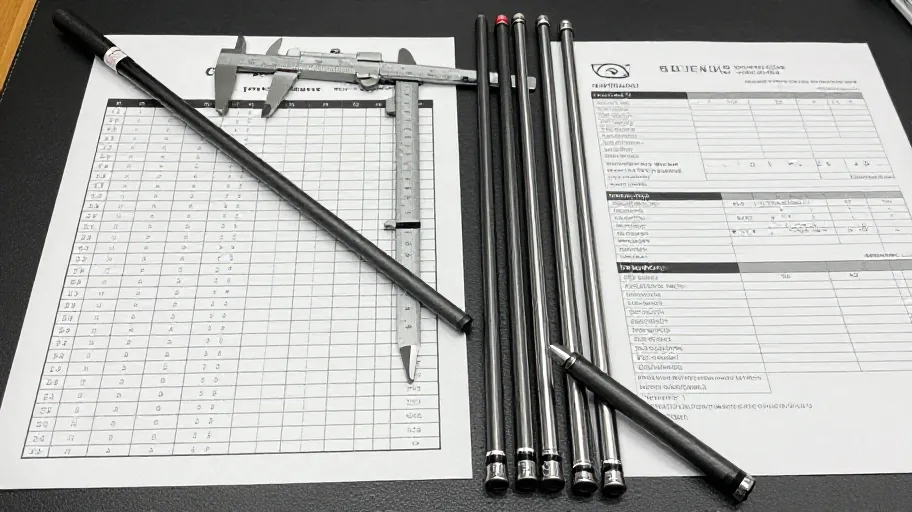
The process of how to choose golf clubs by swing weight starts with data: record your wrist set timing, downswing duration, and impact pattern. Then test clubs across a 3–5 point range. Players within their optimal window see up to 22% less gear effect on mis-hits. That means playable misses, tighter dispersion, and fewer penalty strokes. It’s not about strength—it’s about synchronization. When your club moves like an extension of your arms, repeatable swings become automatic.
Real gains from getting the balance right
Proper swing weight matching improves swing repeatability by over 20%, per biomechanical studies. That’s not just theory—one touring pro cut his wedge dispersion by 31% after dialing in a D4–D5 range for his short irons. TPI launch data confirmed tighter clustering and better energy transfer at impact. For amateurs, the payoff is simpler: lower scores. Players report a 1.8-stroke reduction within eight rounds, thanks to more consistent contact and less mental fatigue.
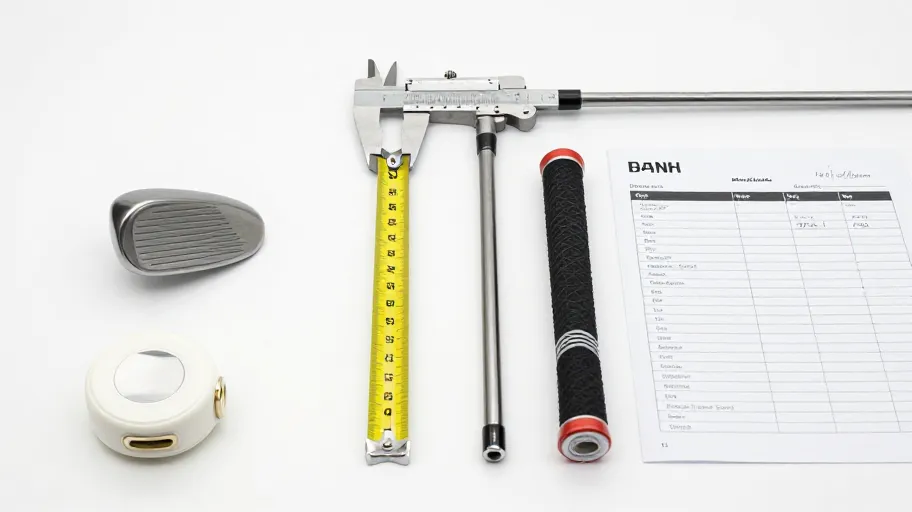
Even tiny adjustments matter. A 2-gram change in grip cap or sole plate shifts swing weight enough to disrupt rhythm. That’s why elite fitters use precision scales and iterative testing. They don’t guess—they measure, tweak, and validate. And because grips wear and shafts degrade, regular recalibration keeps performance stable. One-time fitting is good; ongoing tuning is better.
How to test and adjust your own clubs
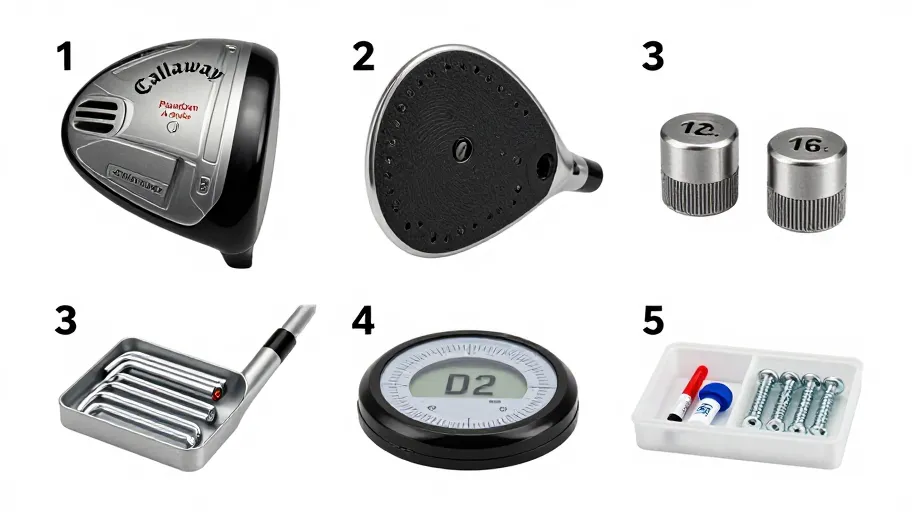
You don’t need a lab to get started. Use a swing weight scale to record baseline readings across your set. Then apply lead tape in 2-gram increments along the clubhead’s perimeter. After each change, hit balls and review video—especially your wrist hinge timing. A 2024 TPI survey found early hingers perform best in D2–D4, while late hingers often prefer C7–C9. This feedback loop turns subjective feel into objective improvement.
The goal isn’t perfection—it’s personalization. Once you find your sweet spot, mark it. But remember: humidity, grip swelling, and wear shift swing weight over time. Recheck every 6–12 months. That habit turns temporary gains into lasting advantage. Your clubs stay synced to your swing, so you keep playing your best without extra effort.
Master Your Swing, DIY Your Fit. DIY Golf is the premier destination for the technical golfer. We empower you with professional-grade components and the knowledge to build your perfect bag.