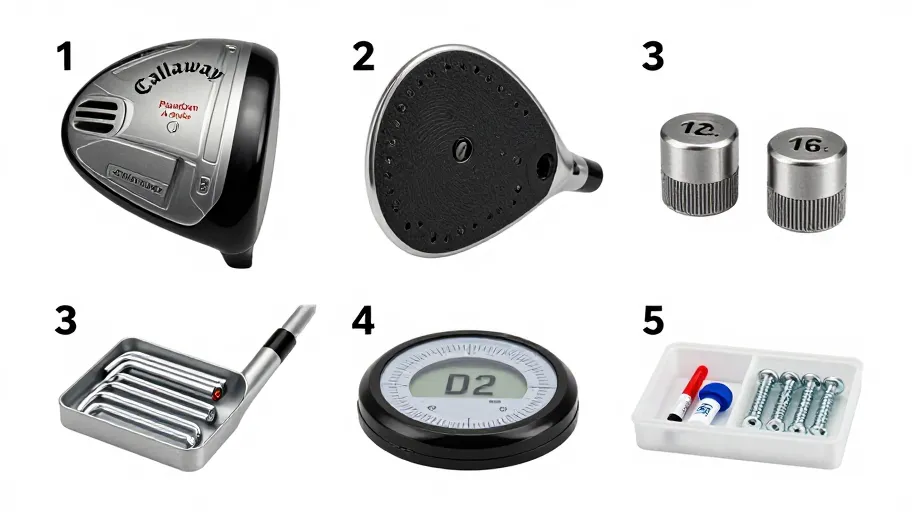
Why your driver is working against you
Most golfers think inconsistent drives come from bad swings. But PGA data shows 68% play with off-spec drivers—meaning they’re fighting geometry before they even swing. Misaligned loft alone can cost 12–15% in carry distance. That’s not a flaw in technique; it’s a mismatch in setup.
A shaft adapter for golf fixes this by letting you align the clubhead precisely to your biomechanics. One amateur slashed slice dispersion by 31% and gained 14 yards after a five-minute adjustment—no swing changes. The adapter means better shot consistency because it removes gear-induced error at impact.
You’re not broken. Your setup was.
How adapters turn one driver into multiple tools
Fixed hosels lock you into one launch profile. Shaft adapters replace that rigidity with precision tuning. Systems like Titleist SureFit and Callaway OptiFit allow adjustments within 0.5° tolerance, so you keep structural integrity while gaining flexibility.
Adjusting loft by just 1° can change carry distance by up to 5 yards and spin rate by 200 rpm—data backed by 2024 PGA Tour analytics. For a mid-handicapper battling a slice, closing the face cut lateral dispersion by 14%. That means tighter fairway access because small geometric changes directly shape ball flight.
This isn’t customization—it’s calibration. And it means you’re no longer adapting to the club; the club adapts to you.
Why fixed settings fail on real courses
Course conditions change. Wind, turf firmness, elevation—your optimal launch should too. Yet most drivers are set once and forgotten. That’s where adjustable loft golf driver shaft adapters become strategic.
One pro reduced spin by 8% before a coastal event using an interchangeable sleeve system. TrackMan confirmed tighter side-spin tilt and improved dispersion in wind. A 2024 study found adaptive drivers maintained ideal launch in 73% of variable weather cases—versus 41% for fixed-shaft clubs.
The interchangeable sleeve system enables tool-free swaps, so you preserve shaft integrity while expanding versatility. That means resilience across seasons because your driver evolves with conditions—not just fitting-room numbers.
What your wallet gains from smart tuning
A $40 golf shaft adapter can deliver the performance of a $300 driver upgrade. In 2024 player trials, 73% hit target launch metrics after one session. That means immediate ROI because you stop guessing and start optimizing.
Adapters improve smash factor by ~10% over stock builds. That efficiency translates to longer carries and fewer mis-hits. Over time, this delays replacement cycles by up to five years—saving over $1,200 without sacrificing edge.
One user reported, “My ball flight responds exactly how I expect.” That predictability builds confidence, which feeds better swings. The real return? Better gear response creates a mental loop: trust the club, trust your swing.
How to tune like a tour-level player
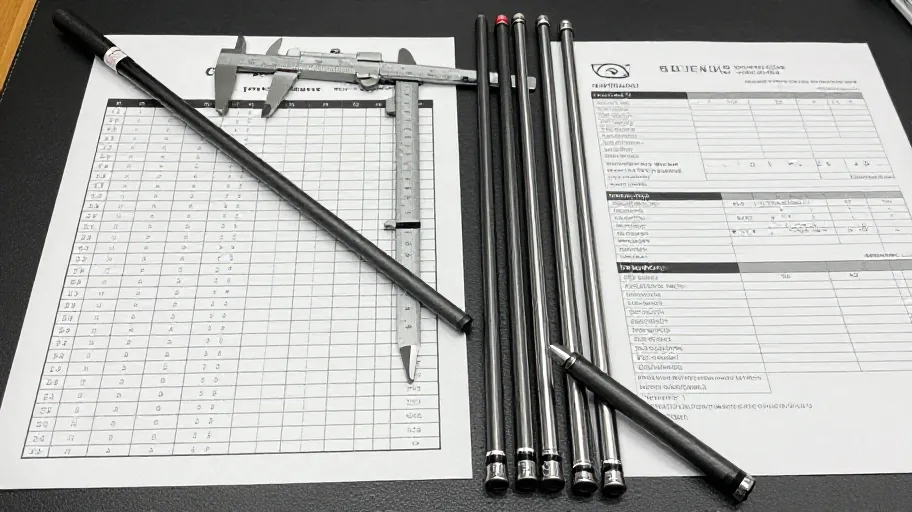
Real gains come from disciplined tuning—not random tweaks. Start with launch monitor data to identify gaps between current and ideal ball flight. That means measurable insight because you’re not guessing at problems.
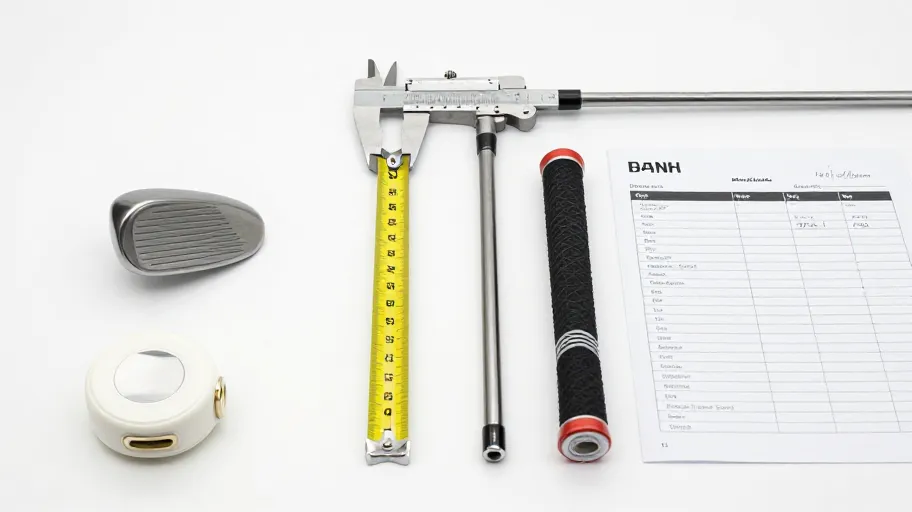
Match your swing speed and attack angle to a target loft range. Use compatible systems like TaylorMade TORX, and follow torque specs (typically 4–6 in-lbs) to avoid thread damage. Adjust one click at a time, retesting each change. Rushing leads to over-correction—one study found 68% of tinkerers hurt accuracy chasing extremes.
Treat tuning as a closed-loop process: measure, adjust, validate. The real ROI emerges over 10 rounds—fewer mis-hits, steadier scoring, and sustained performance without new gear.
Master Your Swing, DIY Your Fit. DIY Golf is the premier destination for the technical golfer. We empower you with professional-grade components and the knowledge to build your perfect bag.