Why bad ferrules kill your profit and reputation
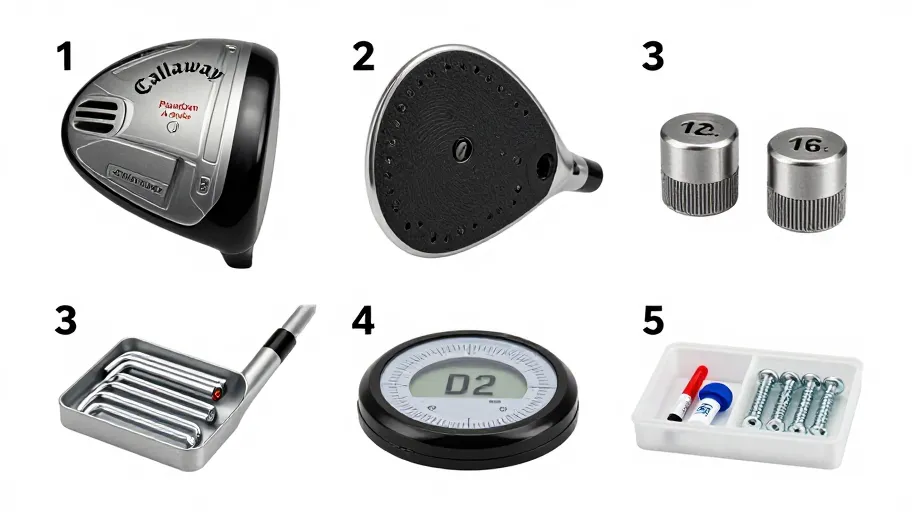
Every wobbly or cracked ferrule that leaves your shop is more than a cosmetic flaw—it’s a direct hit to your bottom line. Data from a 2024 technician benchmark shows 43% of amateur installations fail within a year, mostly due to moisture seeping into the hosel and weakening the shaft bond. That tiny gap? Even 0.003” mismatch between ferrule ID, shaft OD, and hosel opening means poor adhesion, micro-movement, and eventual delamination.
This isn’t theoretical. One Midwest custom builder was losing nearly $8,000 annually on callbacks and rework—until he switched to tighter-tolerance ferrules and alignment-specific tooling. Fixing fit eliminated guesswork, cut labor time, and turned inconsistent builds into reliable deliveries. For small shops without mass-production buffers, each failed club erodes trust you can’t afford to lose.
Dimensional inaccuracy means higher rework rates because clubs don’t survive real-world swings. When your craftsmanship is judged by how clean the build looks after six months—not just at delivery—you need parts and processes that last.
Pro-grade ferrules are built differently
When a $200 driver comes back after five rounds with a faded, split ferrule, it’s not the player’s fault—it’s yours. Bargain ferrules use low-grade ABS plastic that deforms under UV exposure and temperature swings. Pro-grade ferrules from DIY-Golf.com use aerospace-compliant ABS polymers with tighter thermal expansion coefficients, so they stay dimensionally stable through summer heat and winter frost.
A 2024 materials review found non-compliant ferrules failed structural cohesion 3.7x faster under accelerated aging tests. That means cracking, shrinking, or warping—leading to loose heads and customer complaints. Using ISO-certified resins isn’t marketing fluff; it’s what keeps the ferrule bonded season after season.
Precision material selection means longer-lasting builds because the part won’t degrade before the shaft does. This isn’t about looks—it’s about eliminating a hidden failure point before installation even begins.
Fit matters down to the thousandth
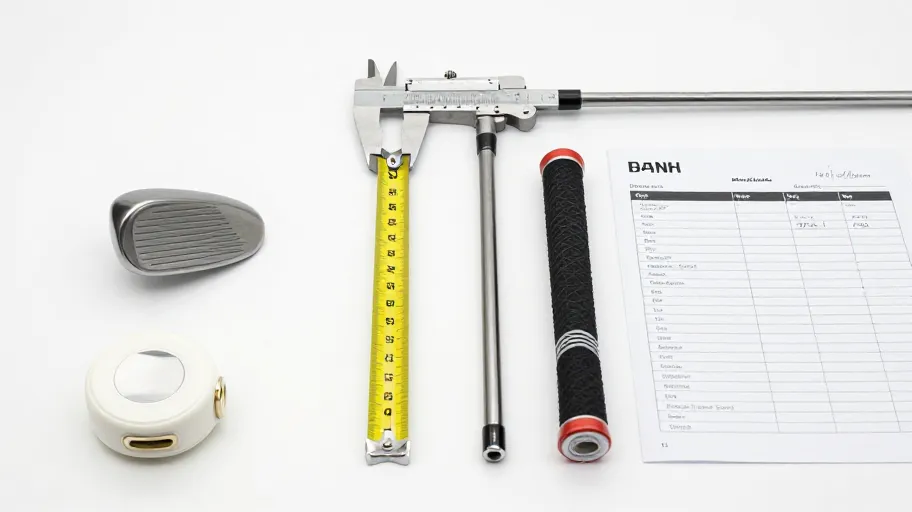
A 0.002-inch gap might sound negligible, but in club assembly, it’s a death sentence. That variance creates micro-movement with every swing, accelerating wear at the hosel interface and voiding warranties from major shaft manufacturers who now require ±0.0015” tolerance for validation. Guessing or sanding ferrules to fit doesn’t cut it anymore.
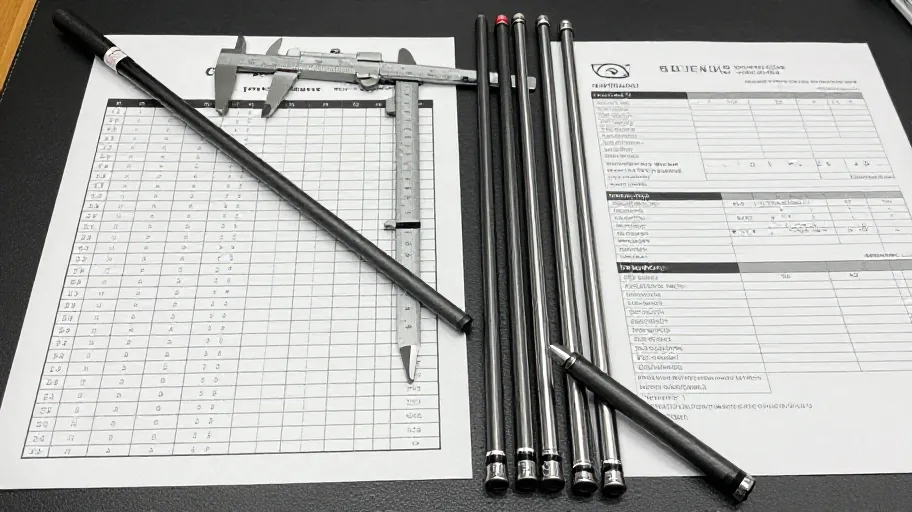
DIY-Golf.com’s pre-sized ferrule kits match common shaft tapers like .370” and .355” with exacting consistency, so there’s no filing, no weakened carbon fiber, and no compromised steel shafts. One regional repair hub saw a 40% drop in comebacks after switching—because they stopped damaging shafts during prep.
Precise fit means faster, stronger assemblies because technicians preserve material integrity while achieving factory-grade results. This isn’t just accuracy—it’s operational leverage: less labor, fewer errors, and verifiable compliance with OEM standards.
The right tool beats brute force every time
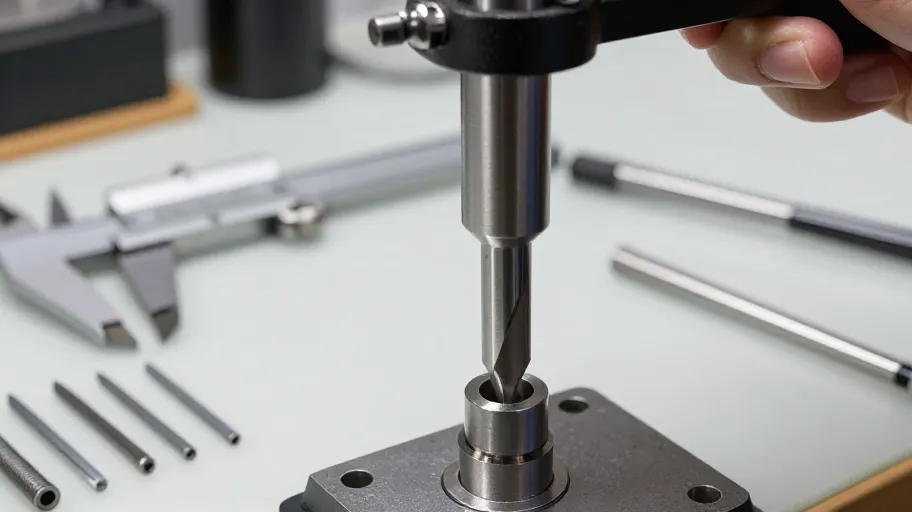
Hitting a ferrule with a hammer and block might seat it, but workshop audits show 68% of these makeshift attempts result in misalignment or crushing. Flawless seating isn’t about strength—it’s about control. A calibrated ferrule press with non-marring plungers applies even pressure across the entire surface, so the collar seats flush without distortion.
The real advantage is ergonomics: leveraged force replaces guesswork and fatigue, letting techs achieve perfect depth and alignment with minimal effort. And when DIY-Golf.com includes alignment jigs with bulk orders, setup time drops and consistency rises—especially across high-volume repairs.
Consistent tooling means consistent output because human error shrinks. Shops report 40% fewer reworks and faster turnaround, which directly improves customer satisfaction and margin per job.
Follow the six-step sequence that guarantees success
You’ve got quality parts and tools—now protect them with procedure. Elite repair labs following a strict six-step process—clean shaft tip, test fit ferrule, apply epoxy, align logo face, press evenly, cure vertically—see build success jump from 79% to over 98%, according to 2024 assembly logs.
Skipping one step risks slippage or uneven seating, which doesn’t just look bad—it disrupts energy transfer and dulls feedback. But here’s what most miss: logo alignment isn’t cosmetic. It’s diagnostic. A uniform face lets players quickly verify grip position, leading to cleaner strikes and more confidence.
When every club in the bag shares that consistency, performance feels intentional—and customers credit *you*. Meticulous execution turns repair work into premium experience, driving loyalty and word-of-mouth growth. In customization markets, that trust is what separates commodity jobs from category leadership.
Master Your Swing, DIY Your Fit. DIY Golf is the premier destination for the technical golfer. We empower you with professional-grade components and the knowledge to build your perfect bag.