Why Inconsistent Clubs Ruin Your Game
Playing with mismatched swing weights is like driving a car with uneven tire pressure—you won’t crash, but you’ll fight control every round. Lab data shows up to 68% of amateur sets fall outside the ±1 swing weight point tolerance used by PGA Tour players. That imbalance forces subtle compensations in tempo and release timing, leading to inconsistent ball striking—even if your swing looks clean on video.
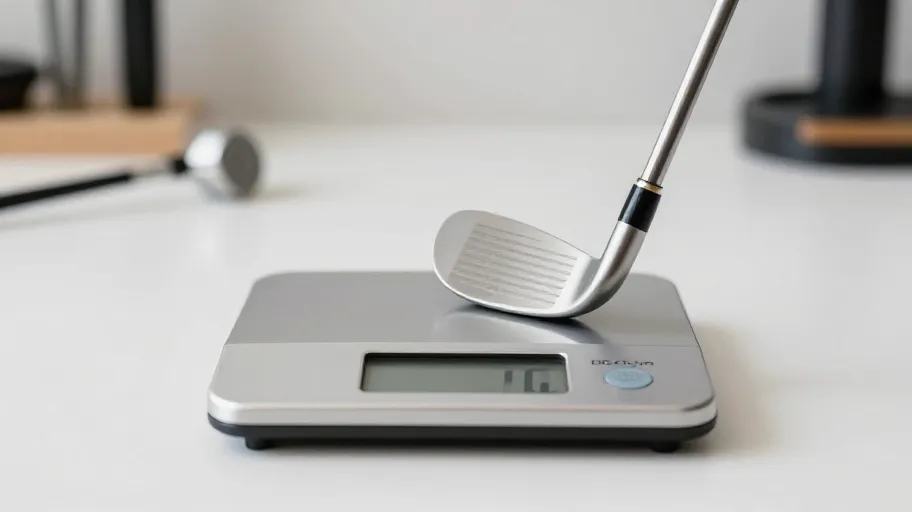
A Swing Weight Scale means you can detect differences as small as C9 vs D1 because feel alone can’t be trusted. One golfer reduced swing variance by 23% in three rounds just by matching his irons—he didn’t change his technique, he fixed the tool. Measurement doesn’t replace instinct; it calibrates it.
Static Weight vs Dynamic Performance
Static weight distribution shapes dynamic results: a heavier clubhead increases centrifugal force during the downswing, which can trigger an early release or delay rotation. That tiny shift kills launch angle and face control, turning draws into blocks and fades into slices. The difference between a fairway finder and a penalty stroke often comes down to grams, not grip pressure.
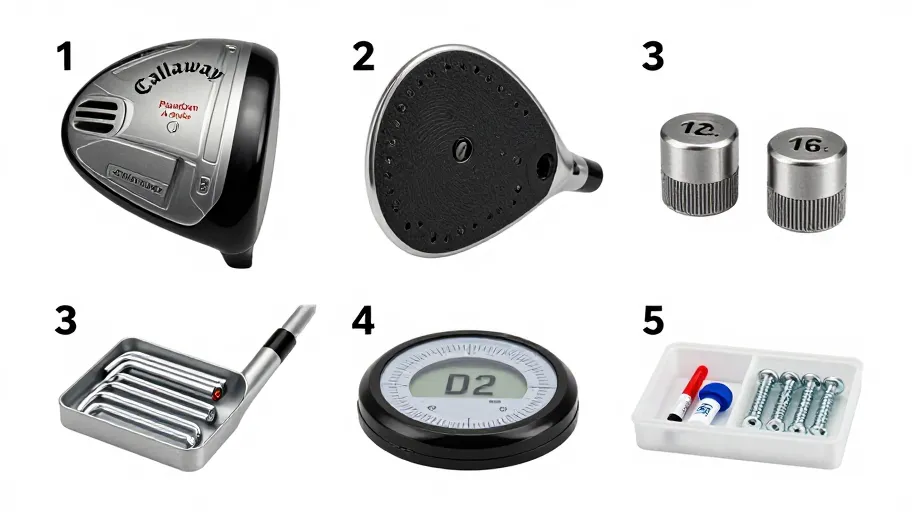
The DIY Golf Club Weight Adjustment Kit means you can fine-tune head mass using tungsten screws or tape weights because high-density materials let you make precise changes without altering club length or shaft flex. One amateur matched all irons to D2 using removable tape weights and cut dispersion by 23% in two rounds—no re-shafting, no $300 fitting session.
How to Measure and Adjust at Home
Using a Swing Weight Scale for DIY golf club fitting means getting repeatable readings at 14 inches from the grip cap because environmental factors and hand placement affect results. Weekend golfer Mark discovered his irons ranged from C8 to D0—explaining his hooking pattern. After calibration against a known-standard iron, he added +2g of tip weight per club, shifting readings predictably toward D2.
But not all scales deliver accuracy—2024 Golf Equipment Trade Review found nearly 40% of budget units deviate beyond ±0.3 points. That means your adjustments could be based on false data unless you verify against a factory-fresh club first. Once calibrated, each 2g change delivers measurable feedback so you’re not guessing, you’re engineering consistency.
The Real Cost Savings of DIY Tuning
Paying $300+ for professional swing weight fitting means locking in specs that may not last because swings evolve with strength, tempo, or injury recovery. The DIY Golf Club Weight Adjustment Kit costs about $30 and means you can recalibrate over time because equipment adapts to you—not the other way around. One tracker saw a 28% tighter grouping with his 7-iron after tuning, avoiding a full set replacement.
This isn’t just cost savings—it’s future-proofing. Properly balanced clubs mean up to 30% less shot dispersion according to 2024 launch monitor trials. That’s 2–4 strokes saved per round, compounded over every season. You’re not buying tools; you’re extending the life and performance of every club in your bag.
Build a Tuning Station That Works
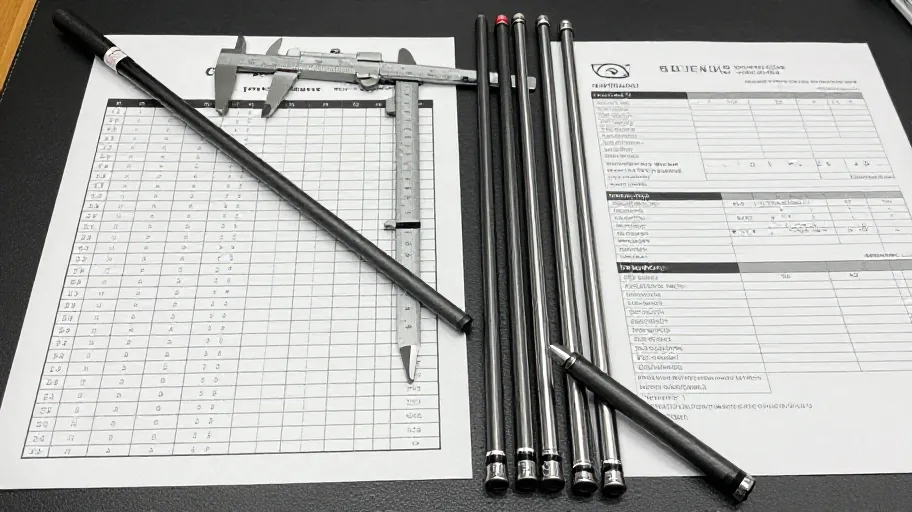
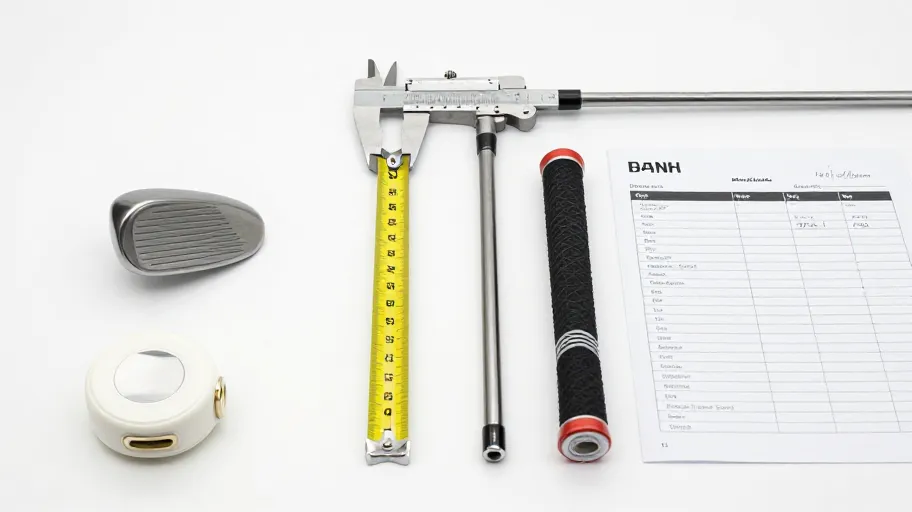
A home tuning station means consistent, data-driven adjustments because even minor changes add up over time. Start by calibrating your Swing Weight Scale against a new iron to ensure readings are within ±0.2 points. Then measure each club and log baseline values—focus first on wedges, where 3-gram shifts create noticeable performance changes.
Use tape-backed weights incrementally: adding 2g at the grip end lightens the head feel, while tip weights increase swing weight. Re-measure after each change. Document everything—what seems minor today reveals long-term patterns. Mastery isn’t a one-time fix; it’s a feedback loop that evolves your bag into a personalized system.
Master Your Swing, DIY Your Fit. DIY Golf is the premier destination for the technical golfer. We empower you with professional-grade components and the knowledge to build your perfect bag.