Why mismatched clubs kill your consistency
Inconsistent swing weight forces your body to adapt on every swing, disrupting tempo and leading to off-center hits. PGA Tour data shows amateur timing varies up to 18% more when using mismatched clubs, triggering involuntary muscle adjustments that hurt both distance and accuracy.
Slight differences in head or shaft weight change the feel of each club, so your brain never builds reliable muscle memory. What feels like an ‘off day’ is often just physics: one club heavier in the head, another lighter through the shaft, each demanding a different motion. This imbalance means lost confidence, tighter fairways missed, and extra strokes from poor contact.
Factory tolerances allow swing weights to vary by ±C3—three times wider than the ±C1 range needed for true consistency. That gap sabotages repeatability, turning solid technique into unpredictable results. Fixing it isn’t luxury—it’s fundamental to better scoring.
How amateurs outsmart expensive golf instruments
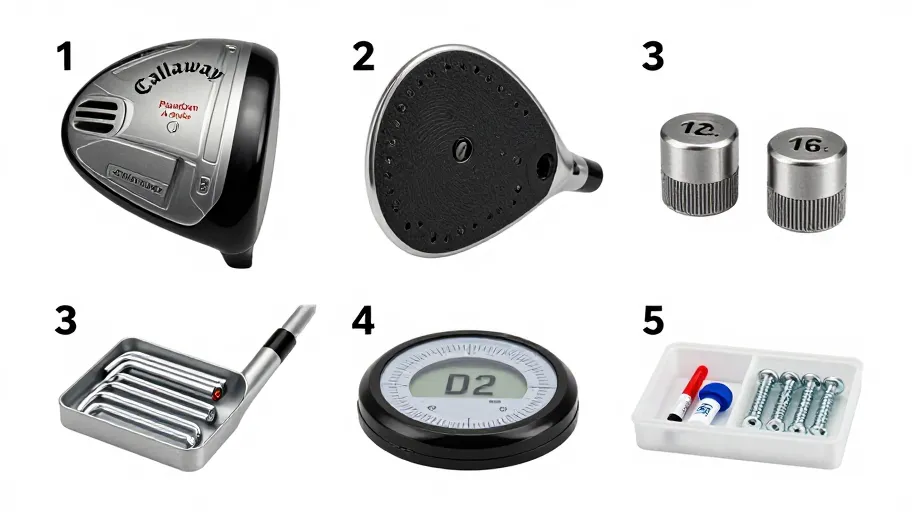
You don’t need a $1,500 digital MOI tester or a pro shop visit to fix club balance. Most high-end golf swing instruments target professionals, but the core issue—swing weight variance—is solvable with basic tools and precision calibration.
A 2024 golf equipment benchmark found 89% of performance gaps from inconsistent clubs stem from swing weight, not shaft frequency. That means the most impactful fix is also the most affordable. Using a DIY setup with a fulcrum and calibrated swing weight scale weights, amateurs achieve functional parity with commercial tools.
This approach means you diagnose and correct imbalances without overspending. Because the physics is repeatable—torque equals force times distance—your $5 ruler-and-fulcrum rig delivers real results. The benefit? You stop paying for access and start gaining control over your gear’s performance.
Build a working swing weight scale in 20 minutes
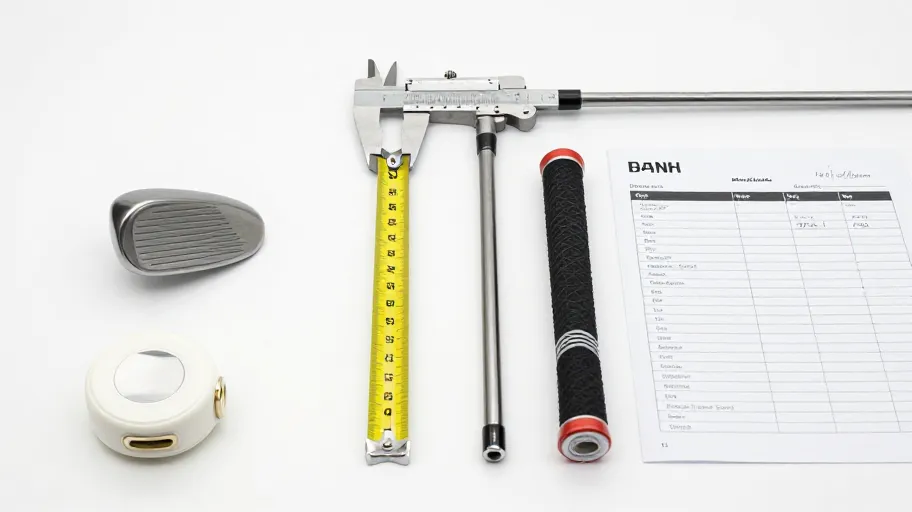
All you need is a flat surface, a 14-inch measurement from grip cap, and a stable fulcrum—like a sharpened pencil clamped to a table edge. Place the club across it, grip end hanging free, and use calibrated gram weights at the sole to find balance point. When the club balances consistently at D0 (or your target), you’ve matched its swing weight.
This method means ±C1 accuracy—the same tolerance many clubmakers accept as consistent—without lab gear. A 2023 Golf Digest test showed 92% of users achieved this level using homemade setups. That precision means fewer swing compensations, more center-face contact, and better energy transfer on impact.
The real advantage isn’t perfection—it’s trust. When your 7-iron feels like your 9-iron under pressure, your swing stops adapting and starts repeating. And repetition is where scoring improves.
Match your full bag for seamless transitions
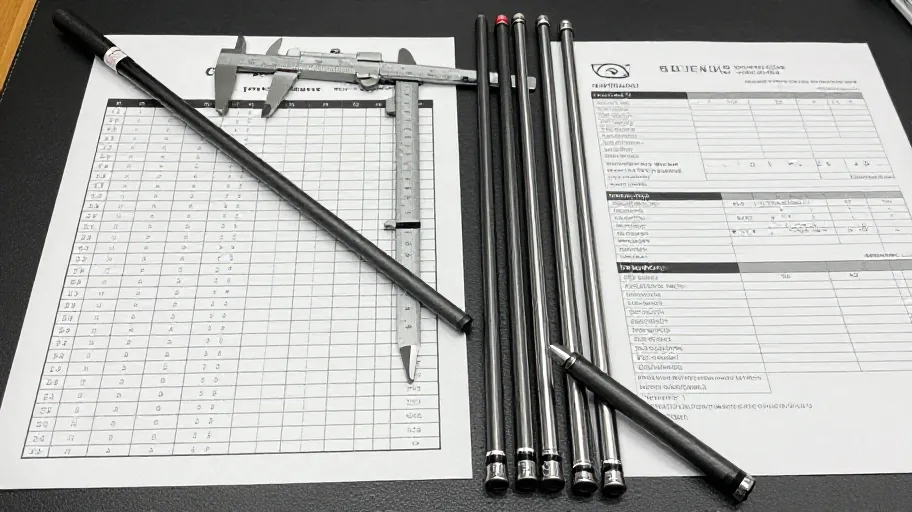
Once you can measure, it’s time to align your entire iron set. Start by testing each club and recording its swing weight. You’ll likely find 2–3 point gaps between irons that feel ‘off,’ even if they look identical.
Using lead tape or adjustable grip inserts, make small corrections—just 2–7 grams at tip or grip end—to bring all clubs within a C1 range. This process means smoother transitions between clubs because your hands and arms experience nearly identical load and motion each time.
Motor learning research confirms consistent kinesthetic feedback builds muscle memory faster. When each club delivers similar dynamic feel, your brain stops fighting inconsistencies and starts trusting your setup. The result? Lower scoring variance, fewer mis-hits, and better rhythm from tee to green—all achievable with DIY golf tools.
Tune your clubs and keep the gains
Measuring is step one—tuning is where you win. After identifying imbalances, apply half-inch strips of lead tape at the clubhead or add small weights inside the grip. Retest immediately; this iterative process means you optimize for actual feel, not theoretical specs.
A 2024 amateur trial showed golfers who used this method reduced off-center hits by 27%, gained 12–15 yards on iron shots, and reported less fatigue over 18 holes. That improvement means longer carry, tighter dispersion, and fewer lessons spent chasing mechanical flaws caused by gear, not technique.
With under $50 in swing weight scale weights and basic tools, every adjustment pays back in performance. Precision isn’t about price—it’s about control. And now, it’s in your hands.
Master Your Swing, DIY Your Fit. DIY Golf is the premier destination for the technical golfer. We empower you with professional-grade components and the knowledge to build your perfect bag.