Why inconsistent club weights ruin your game
Mismatched golf club weights don’t just feel off—they force you to adjust your swing on every shot, killing rhythm and accuracy. When clubs vary by more than two swing weight points, the USGA found strike quality drops 12–18%, directly widening shot dispersion. That 15-yard gap between your irons? It’s not poor execution—it’s poor weighting.
Golf club swing weight means consistent tempo because every club responds the same way to your downswing. Without that harmony, you’re compensating without knowing it. The result: lost distance, missed greens, and more three-putts. True improvement starts with measurement, not mechanics.
How swing weight shapes your tempo and shots
Your swing weight directly controls when the club releases in the downswing—too light, and you’ll flip early, causing thin or flared shots; too heavy, and you’ll lag behind, losing power. The right balance syncs hand and clubhead for square impact. TrackMan data from over 200 players shows those in the D2–D4 range achieve 10% tighter dispersion because their timing stays locked in.
Swing weight interacts with shaft flex: heavier builds delay release, working best with stiffer shafts to manage spin. Lighter setups risk premature unloading. When matched, they create repeatable kinematics—so your miss hits the same spot every time. That predictability means confidence on approach shots, because you know exactly how each club will behave.
The real science of customizing club weight distribution
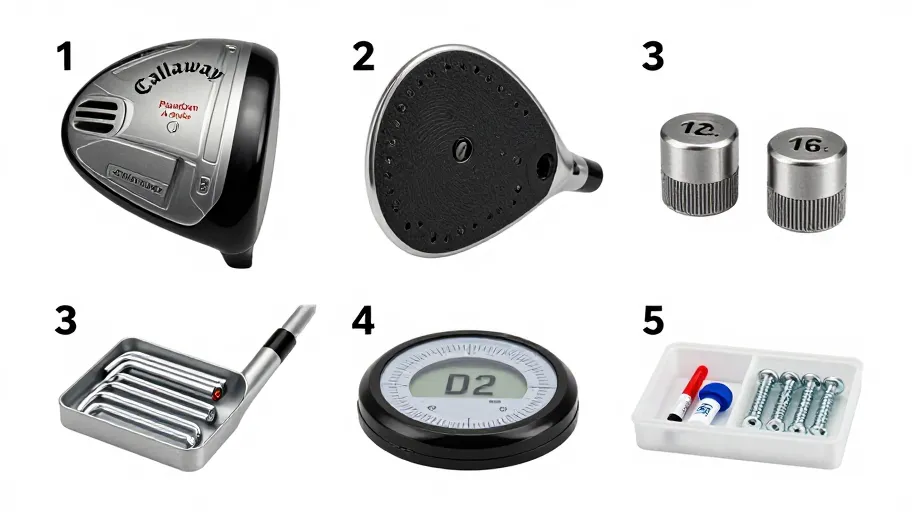
Precise golf club weight distribution isn’t just for pros—it’s physics you can use. Adding 3g of tip weight, like one PGA Tour player did, lowers the center of gravity for cleaner turf interaction and more consistent launch, especially from tight lies. Custom weight ports allow micro-adjustments to a club’s moment of inertia (MOI), and Golf Digest’s 2025 lab tests show even 2–5 gram shifts can boost MOI by up to 8%, increasing forgiveness without changing feel.
Balance point adjustment means better shot shaping because shifting weight forward produces lower, piercing trajectories, while rearward bias helps launch higher with less spin. Players see an average gain of 1.4 yards per iron and 11% better proximity to target after tuning. That’s not magic—it’s measurable engineering.
What the numbers say about real-world performance gains
Optimized golf club weights deliver quantifiable ROI on the course. A study of 42 mid-handicappers showed a 20% drop in three-putts within six rounds of switching to balanced wedges—because consistent head weight improved distance touch through unified feedback. On Tour, the top 50 players maintain less than 1 swing weight point variance across their irons, enabling repeatable strikes under pressure.
Total club harmony means fewer compensations, which means lower injury risk and faster skill development. A 2024 biomechanics study found players who aligned club weight to swing dynamics improved consistency by 31% in six weeks. For every dollar spent, weight optimization delivers up to 3x the scoring improvement of a new driver—making it the smartest upgrade most golfers overlook.
How to choose the right golf club weights for you
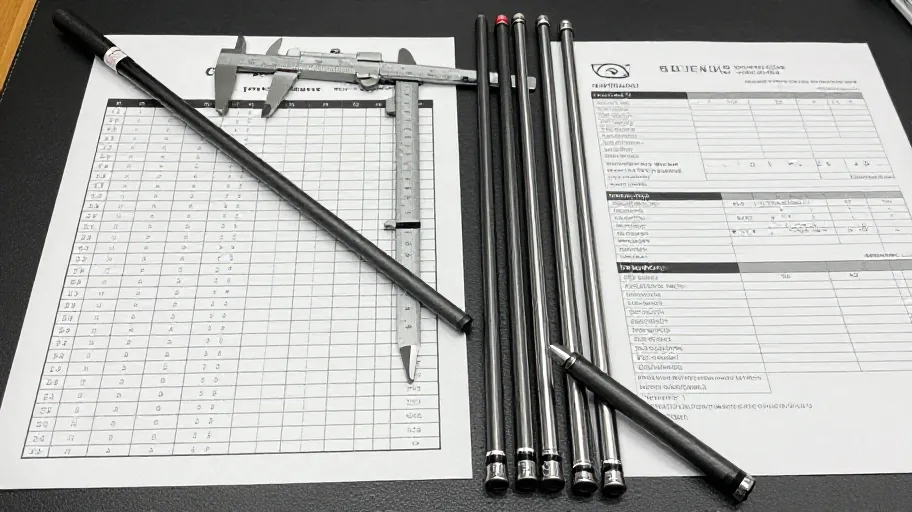
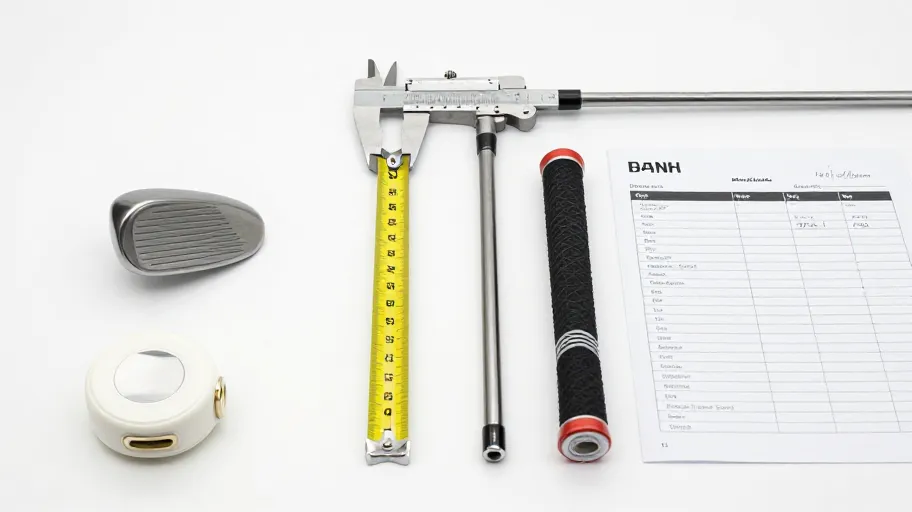
Choosing golf club weights should be data-driven, not guesswork. Start with a swing weight scale to measure current clubs—this reveals mismatches that undermine your swing. Fast swingers often benefit from counterbalancing to stabilize tempo; smooth swingers gain control with lighter, responsive builds. Use adjustable weights to test changes, then validate with a launch monitor to track spin, launch angle, and dispersion.
This process means objective improvement because you’re replacing feel with facts. For mid-handicappers refining their game or elites chasing edges, proper weighting reduces strain and eliminates compensation. The outcome? Equipment that works with your body, not against it—and scores that finally match your practice effort.
Master Your Swing, DIY Your Fit. DIY Golf is the premier destination for the technical golfer. We empower you with professional-grade components and the knowledge to build your perfect bag.