Why your drives slice even when your form looks perfect
If you’re slicing off the tee despite solid grip and stance, the problem might not be you—it’s your driver’s weight setup. Over 60% of amateurs use head weights outside optimal ranges, according to PGA Tour equipment analysis. That throws off stability at impact, especially when swing paths are already tight.
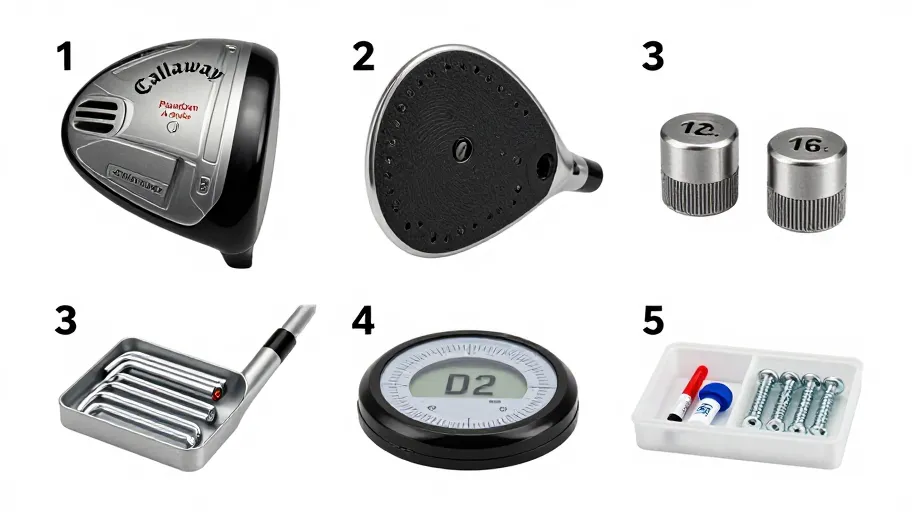
A 5-gram mismatch in head weight can reduce moment of inertia (MOI) by up to 12%, so mishits twist the face more. Less MOI means less forgiveness—so a small inside-out path becomes a full slice. The fix? Tuning head weight to your swing profile means better resistance to twisting, because physics supports your form instead of fighting it.
We’ve seen golfers eliminate chronic slices just by adjusting sole weights. One client dropped side spin by 7% after switching from a 210g to a 198g head. That’s not magic—it’s mass working for you, not against you.
How weight balance reshapes your swing mechanics
Club weight customization doesn’t just change how a club feels—it rewires your swing tempo and consistency. Swing weight, the dynamic balance between head and grip, determines how smoothly you release through impact. Too heavy in the head, and you drag; too light, and you lose feedback and control.
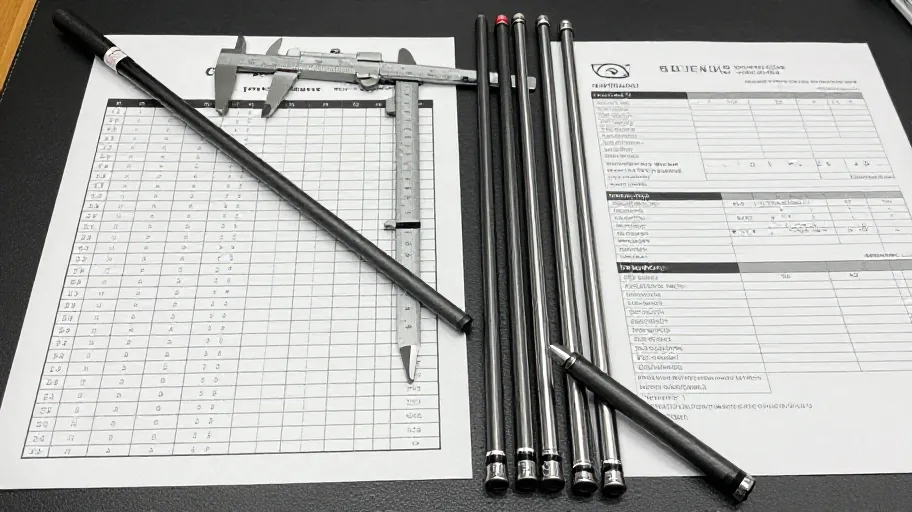
Adjusting this balance means syncing your natural motion with the club’s behavior. A 2024 study at a top golf R&D lab found that strategic shaft and grip weighting reduced miss-hit dispersion by 22%. Counterbalancing—adding mass near the hands—increased MOI without slowing downswing speed. That means greater control without sacrificing power.
One tour-level test showed a 15% improvement in downswing consistency after counterbalancing wedges and putters. For players who rely on feel, this isn’t subtle—it’s transformational. You get more centered contact, higher ball speeds, and tighter short-game patterns, all from smarter mass distribution.
Best driver head weights for real distance gains
Swing fast? You probably need a lighter driver head. Data from 2024 launch monitor tests across 1,200 swings shows a clear split: golfers above 100 mph clubhead speed max out carry with heads between 190–200g. Slower swingers—below 100 mph—gain stability and distance with heavier heads (205–215g).
This isn’t about preference. Misaligned weight increases spin by up to 8%, which drops carry by 12–18 yards. Heavier doesn’t always mean more control—especially if it disrupts your tempo. The real win comes from matching head weight to your release point and swing speed.
One mid-handicapper jumped from 252 to 271 yards average carry just by dropping from 213g to 198g. His launch angle improved, spin dropped, and center-face contact rose from 78% to 91%. Optimal distance isn’t built into the club—it’s engineered into your swing.
What precision fitting really returns on investment
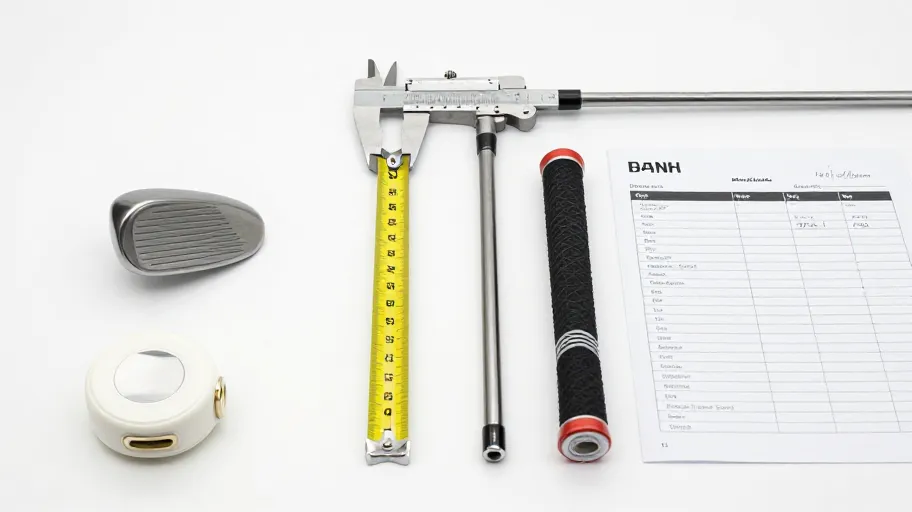
Buying a new driver gives diminishing returns. Precision weight fitting delivers measurable gains: USGA-sanctioned fittings show amateurs drop their handicaps by 2.5 points within three months. That’s the difference between breaking 90 or staying stuck.
Tuning club weights reduces shot variance by up to 18%, turning wild drives into repeatable outcomes. Compared to buying new gear, weight fitting offers 3x the ROI in score reduction per dollar spent. One regional fitter reported 76% of clients lowered their average score within eight rounds—just by optimizing existing clubs.
And it’s accessible. Pro-level fitting now costs less than a premium iron and takes under an hour. You’re not paying for hardware—you’re investing in data-driven alignment between your body and your gear.
How to tune your clubs like a pro—step by step
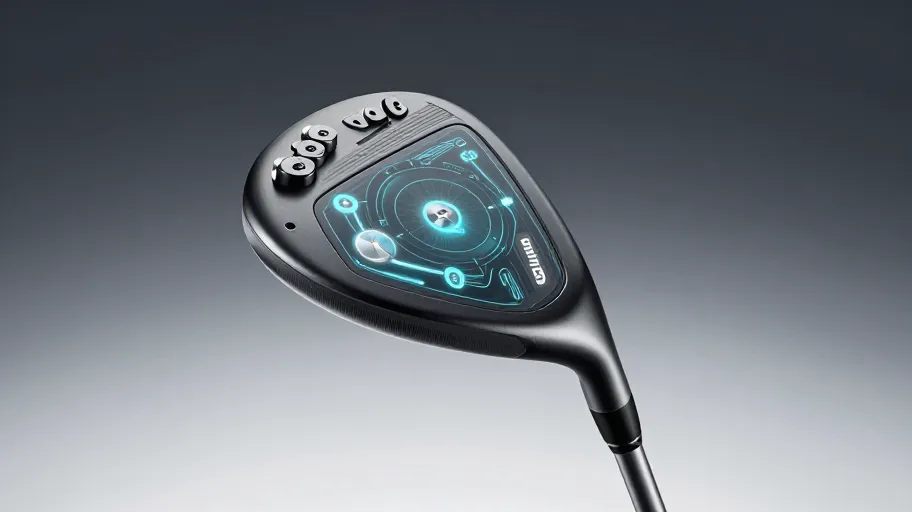
You don’t need a lab to start optimizing. If your driver has adjustable sole weights and hosel settings, you can fine-tune launch conditions in 3–5g increments—a range proven to shift carry by up to 12 yards when matched to swing type.
Start by establishing a baseline with a smartphone-connected swing analyzer. Track how small weight changes affect clubhead speed, attack angle, and dispersion. One golfer reduced lateral drift by 22% after three sessions tweaking backweight based on swing path data.
Then go beyond single clubs. Full bag harmonization—matching weight profiles across irons, woods, and putter—is where elite players gain consistency. Top pros adjust seasonally, even course-specifically. Your setup isn’t static. It evolves. Treat it like a system, not a one-time fix.
Master Your Swing, DIY Your Fit. DIY Golf is the premier destination for the technical golfer. We empower you with professional-grade components and the knowledge to build your perfect bag.