Why weight variance hits your bottom line
A 5% difference in golf club weight might sound minor—until it triggers an 18% increase in rework and returns. One manufacturer learned this when 15% of its builds failed final inspection due to unverified head and shaft weights. The real culprit? Tolerance stack-up: tiny variances in heads, shafts, and grips that compound into major swing weight drift. This isn’t just a QC issue—it means delayed shipments, bloated buffer stock, and eroded margins. When tolerances are aligned upfront, yield rates improve, labor waste drops, and production becomes predictable. That means faster fulfillment and fewer last-minute scrambles during peak season.
Nominal vs actual weight is everything
Two suppliers quote “200g ±5g”—but one averages 197g, the other 203g. On paper, both comply. In practice, that 6g gap shifts the balance point by up to 1.8 degrees, altering swing dynamics and player feedback. This mismatch means inconsistent performance out of the box, which damages brand trust. ISO 24498 sets basic compliance, but it doesn’t guarantee uniformity. Brands that rely only on spec sheets face 3.2x more post-production adjustments than those using statistical process control (SPC). By testing random batches, you uncover hidden biases—like a supplier consistently underweighting—and fix them before assembly. That proactive verification cuts downstream defects by up to 70%, protecting your timeline and premium pricing.
How measurement methods hide the truth
One supplier reports 200.0g using water displacement—a method with ±1.8g variance. Another uses ASTM E29-calibrated scales with ±0.3g repeatability. Both claim precision, but only one delivers it. Poor measurement repeatability inflates perceived variability, triggering unnecessary QA delays and rework. Under ASTM standards, reporting 0.1g precision without validated repeatability is misleading—and 68% of suppliers do it. Enforcing standardized test methods means every gram quoted is a gram you can count on. That consistency slashes negotiation cycles by 40%, speeds approvals, and turns spec sheets into reliable cost models. You’re not just buying parts—you’re locking in predictability.
The real ROI of weight standardization
A Tier-1 OEM saved $310K annually by standardizing weight specs across suppliers. How? They reduced fitment errors by 22% and cut warranty claims by 15%. The key was controlling the swing weight index—a derived metric sensitive to mass distribution. When one supplier’s shaft runs 5g heavier than another’s, the club feels different, even if total weight matches. That forces manual tuning downstream, slowing production. By enforcing uniform inputs, they eliminated reactive fixes and turned procurement into a strategic lever. Now, every order scales reliably, maintains brand integrity, and ships with confidence.
A five-step audit to catch hidden risks
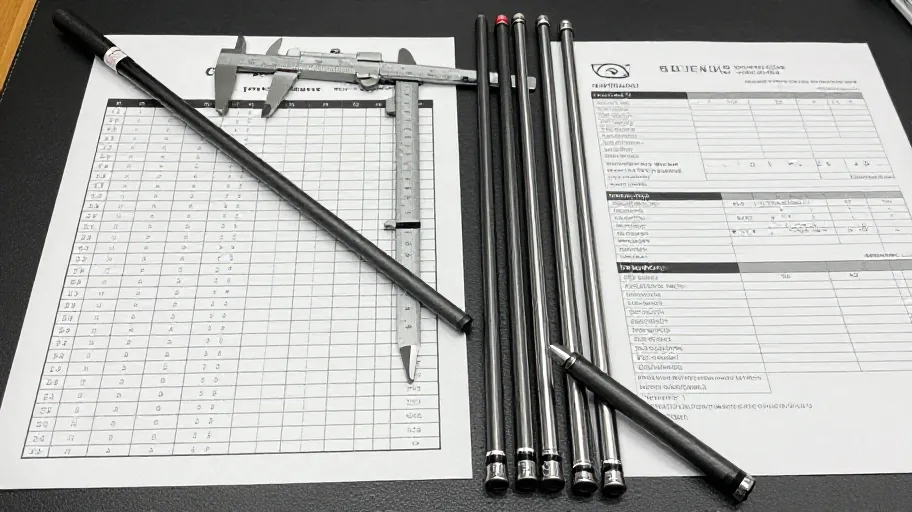
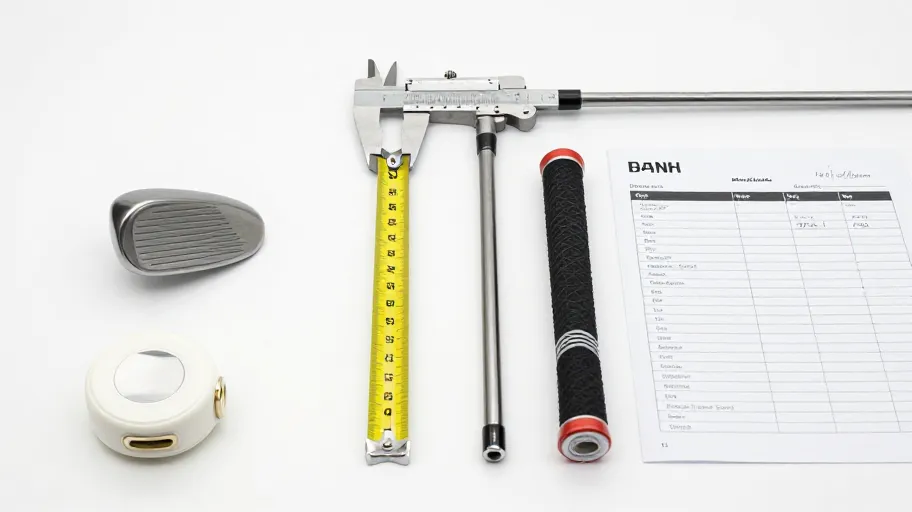
You’ve got two nearly identical quotes. Don’t decide yet—run this 20-minute audit first. Step one: check nominal weights against engineering blueprints. Mismatches suggest estimation, not precision. Step two: examine tolerance symmetry. A “+3g/–1g” range hints at unstable processes. Step three: confirm ASTM E29-compliant weighing—this reduces measurement uncertainty by up to 40%. Step four: assess material density. Tungsten inserts offer tighter mass control than steel, improving shot consistency. Step five: verify sample size. Certifications based on n=3 are unreliable; n≥10 is the benchmark for predictability. And always demand supplier weight certification—a traceable document linking each batch to calibrated data. Without it, you lose leverage and risk non-conformance. With it, one brand cut approval time by 30% and enforced penalties for deviations.
Master Your Swing, DIY Your Fit. DIY Golf is the premier destination for the technical golfer. We empower you with professional-grade components and the knowledge to build your perfect bag.