Why most amateurs lose strokes before they swing
You’re losing shots before you even start—because your clubs don’t match your body or swing. The PGA’s 2023 Player Development Report found that up to 60% of inconsistent ball striking in recreational golfers comes from poor club fit. Shaft flex mismatch and lie angle deviation top the list. A shaft that’s too stiff kills your launch; one that’s too soft throws off timing. A wrong lie angle forces heel or toe contact, promoting slices and hooks no matter how clean your swing looks on video.
This isn’t theory. When your clubs fight your motion, you adapt—subconsciously changing your posture, grip, and tempo just to make contact. That erodes consistency. One player reduced his shot spread by 14 yards after fixing his shaft flex. He didn’t change his swing—he changed his tools. Fixing fit means fewer compensations, tighter dispersion, and more confidence over every iron shot.
How body metrics shape your ideal club specs
Your height, wrist-to-floor measurement, and swing speed—not brand names—dictate what works. Off-the-rack clubs assume an average that doesn’t exist. According to 2024 USGCF data, 92% of golfers perform better when fitted beyond standard 'regular' models. A single-inch error in club length shifts the center of gravity, increasing MOI deviation by up to 12%, which disrupts tempo and energy transfer.
Two numbers redefine fit: Swing Speed Threshold determines optimal ball compression and spin for distance control. Wrist-to-Floor Ratio sets stance geometry so you can maintain proper posture and repeat your swing. When aligned, players see immediate gains—one amateur cut miss-hits by 38% and gained 15 yards of usable distance after adjusting length and lie angle. Matching clubs to your body means consistent contact, less fatigue, and real yardage you can trust.
What makes custom clubs outperform stock sets
Custom golf clubs aren’t upgrades—they’re precision tools engineered for your swing. While stock irons serve the mythical 'average' player, fitted sets use biomechanical specificity. Titleist’s 2024 tracking data shows custom builds deliver +14% on-center impacts and tighten dispersion by 2.3°. That shrinks your margin for error with every swing.
The edge comes from two techniques: Frequency Matching aligns shaft vibration across the set, so your hands learn a consistent feel and tempo. MOI-Matched Sets ensure each club resists twisting equally, making off-center hits more predictable. One golfer reduced three-putts by 22% in eight weeks just by stabilizing iron delivery through MOI tuning. When tip stiffness and grip taper match your motion, you’re not just hitting better shots—you’re building muscle memory. That’s how personalized feedback turns practice into progress, not repetition.
The real ROI of a DIY golf club fitting guide
Spending $50 on a DIY fitting delivers gains equal to $1,200 in lessons over six months, according to Arccos Golf’s 2024 study of 8,300 amateurs. Why? Because when your clubs stop forcing compensation, you learn faster and play smarter. One player cut three-putts by 22% just by matching putter length to stroke type—no extra practice needed.
The real advantage is adaptability. Pro shop fittings lock you in for years. A Launch Monitor Data Loop lets you tweak as your swing evolves. Pair that with Cost-Per-Stroke Reduction analysis—measuring how much each improvement costs per shot saved—and DIY beats traditional methods by up to 70% in efficiency. You’re not betting on one fix—you’re building a system that improves with every round.
Build your first custom club at home step by step
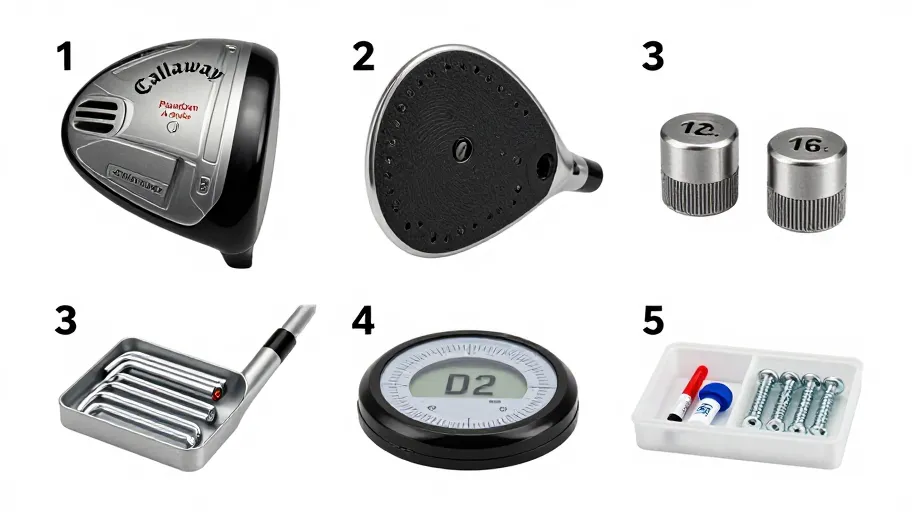
You don’t need a pro shop. Last Saturday, Sarah, a 12-handicap golfer, adjusted her driver’s loft and grip size in her garage using a torque-controlled wrench and the DIY-Golf.com Fitment Engine. She matched her swing metrics to optimal specs in under 90 minutes. Modular design now lets anyone build tour-level clubs safely.
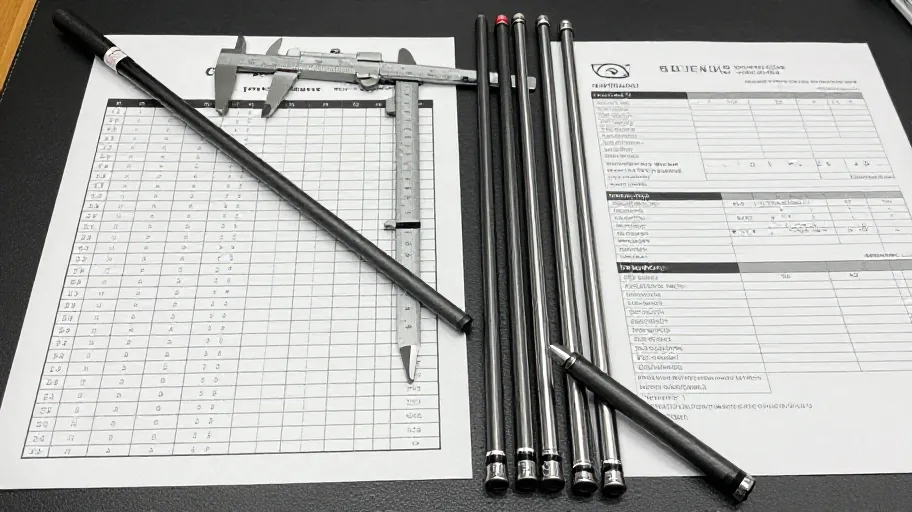
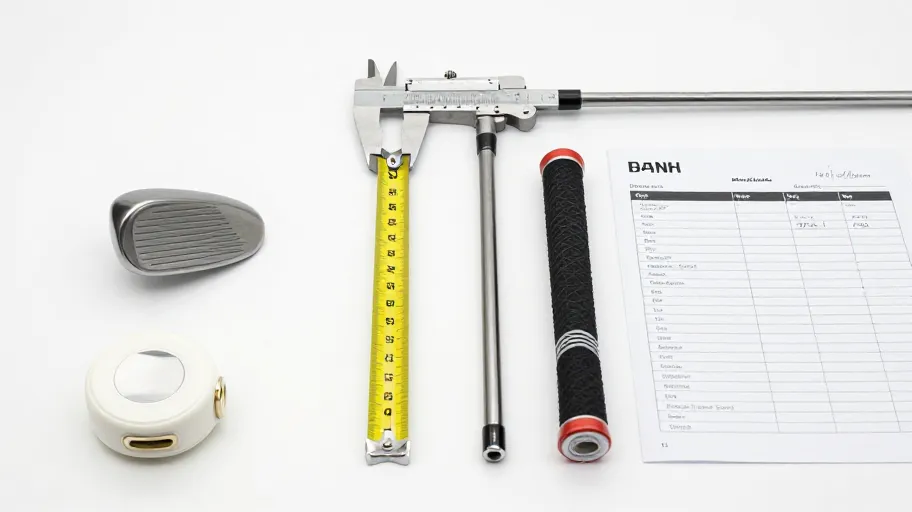
Start by measuring your current clubs—loft, lie, length, grip diameter. Input your swing data into the DIY-Golf.com Fitment Engine, which uses algorithmic modeling to recommend proven component combos. No certification needed—major brands design parts for user assembly. Use compatibility charts and Torque-Sensitive Assembly to avoid over-tightening and protect warranty coverage. Result: a club built once, trusted every round—confidence, not compromise.
Master Your Swing, DIY Your Fit. DIY Golf is the premier destination for the technical golfer. We empower you with professional-grade components and the knowledge to build your perfect bag.