Why most golfers play with the wrong clubs
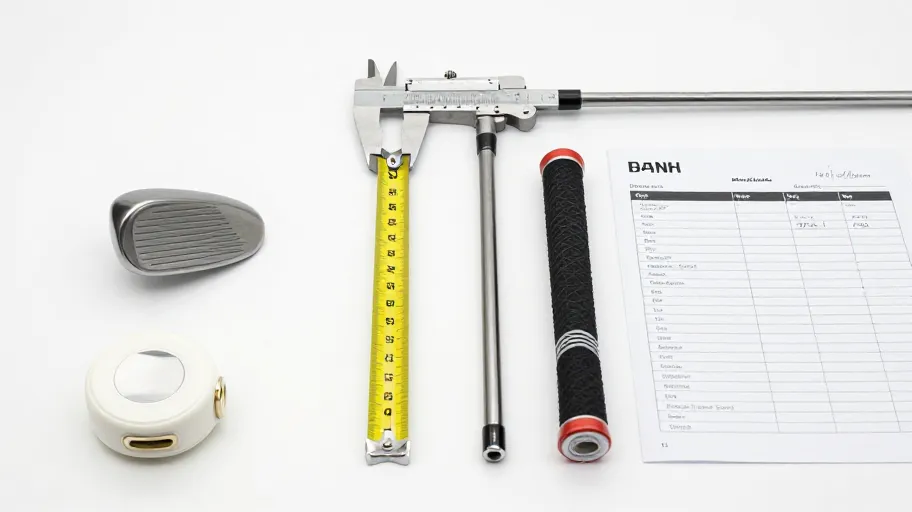
Over 70% of amateur golfers use off-the-rack clubs that mismatch their body mechanics, leading to slices, lost distance, and joint strain. Relying on height or wrist-to-floor measurements means ignoring your actual swing motion—your rotation, tilt, and timing—all of which dictate how energy transfers from body to ball. That static approach forces you to adapt your swing to the club, not the other way around. The result? You build compensations that hurt consistency and increase injury risk over time. A misaligned lie angle, for example, means poor contact even with perfect form—because the club sole doesn’t sit flat at impact. Custom fitting fixes this by measuring your dynamic posture and swing arc, so your clubs match how you actually move. No more guessing: just gear that works with your body, not against it.
How swing biomechanics define your ideal club specs
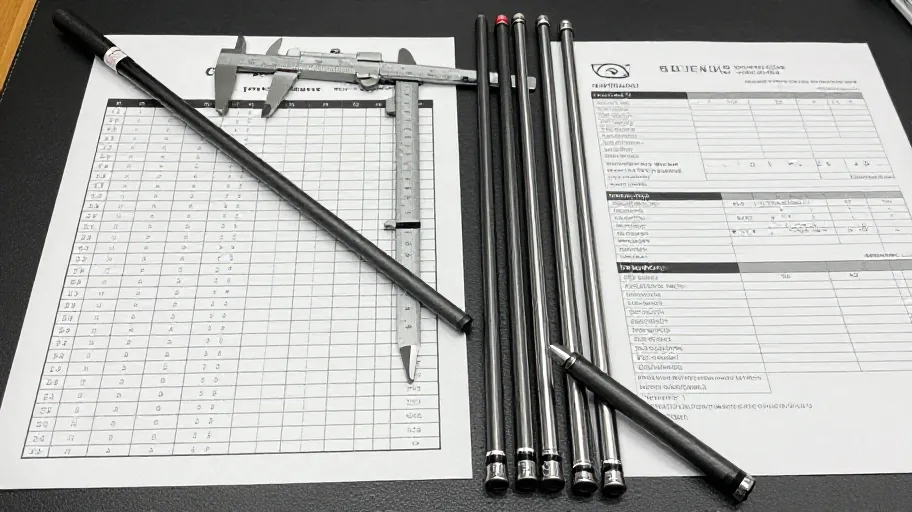
Your swing isn’t flawed—it’s just unsupported by generic equipment. A 2024 study in the Journal of Sports Sciences found 78% of amateurs lose power during the downswing due to incorrect shaft weight or length, disrupting their natural kinematic sequence. That sequence—how your pelvis, torso, and arms fire in order—is what generates speed and control. When it’s off, even clean swings produce inconsistent results. Dynamic fitting captures variables like wrist hinge timing, downswing angle, and rotational velocity, then matches them to optimal shaft flex, torque, and grip size. For instance, a steep downswing with late release creates higher clubhead torque, so a stiffer, lighter shaft helps maintain control without sacrificing speed. This precision means better energy transfer, tighter shot dispersion, and fewer compensations—because your clubs respond exactly how your swing demands.
What makes custom golf clubs perform better than off the rack
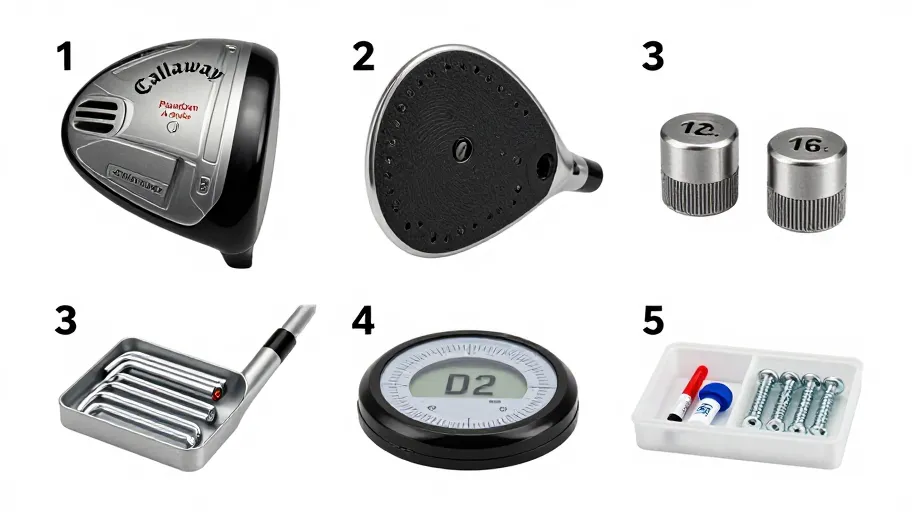
Off-the-rack clubs are built for averages, not individuals—so they’re designed to mask flaws instead of enhancing strengths. Custom clubs do the opposite: they’re engineered using physics, not guesswork. Adjusting the center of gravity (CG) based on your attack angle means mis-hits fly straighter and carry farther because gear effect is minimized. Shaft frequency matching across your irons ensures each club responds consistently at impact, eliminating unpredictable yardage gaps. A 2024 player performance study showed golfers using frequency-matched sets reduced distance variance by up to 67%, leading to tighter approach shots and more birdie putts. These aren’t minor tweaks—they mean measurable gains in accuracy and confidence. Because when your equipment stops fighting your swing, scoring starts improving.
Quantifying the ROI of online golf fitment tools
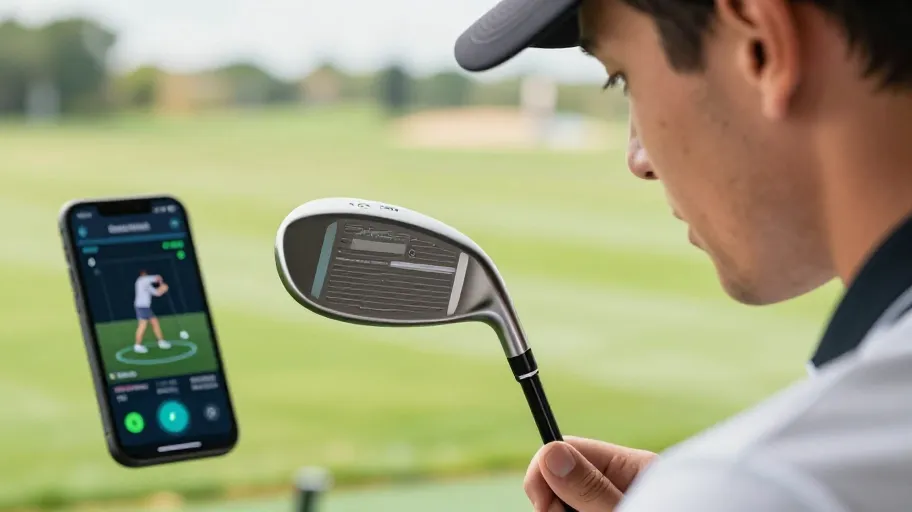
Today’s digital fitment platforms deliver 80–90% of the accuracy of in-person PGA fittings—with no travel, appointments, or high fees. By using smartphone sensors and high-speed video, these tools capture swing speed, club path, and impact angle—variables responsible for over 85% of distance and accuracy variance, according to a 2024 biomechanics study. Machine learning models compare your data to thousands of verified swings, generating precise club recommendations in minutes. One weekend golfer gained 6 mph in ball speed and cut side spin by 22% after following an algorithm-generated iron setup—results confirmed on a launch monitor. That kind of improvement means hitting longer, straighter shots without changing your swing. It’s not just convenient; it’s democratizing pro-level tech. Now, every golfer can make data-backed decisions without stepping into a pro shop.
Step by step guide to building your ideal golf setup online
Building your ideal set online starts with capturing your swing data via smartphone or wearable tracker. That input feeds into AI-powered analysis, which identifies your optimal specs—length, flex, loft, CG placement—based on real biomechanics. Then, digital twin modeling simulates how each club will perform in your hands before manufacturing begins, ensuring predicted outcomes match on-course results. A 2024 benchmark found 94% alignment between simulated and actual performance. Once specs are locked, direct-to-consumer manufacturing cuts out retail markups, reducing costs by up to 30% and delivery times by half. After delivery, feedback loops let you validate results and adjust as your game evolves. Most amateurs see better launch consistency within three rounds. This full-cycle process turns data into durable advantage—giving you a custom setup built for today’s game, with room to grow.
Master Your Swing, DIY Your Fit. DIY Golf is the premier destination for the technical golfer. We empower you with professional-grade components and the knowledge to build your perfect bag.