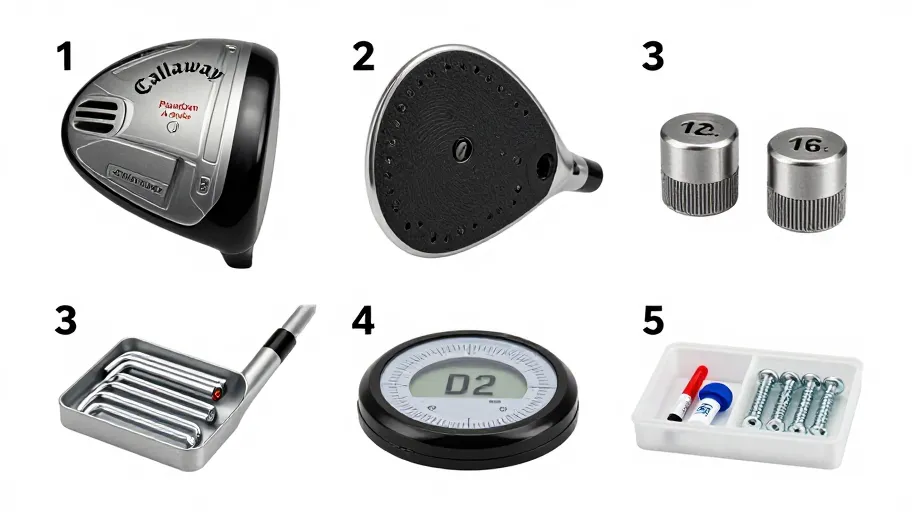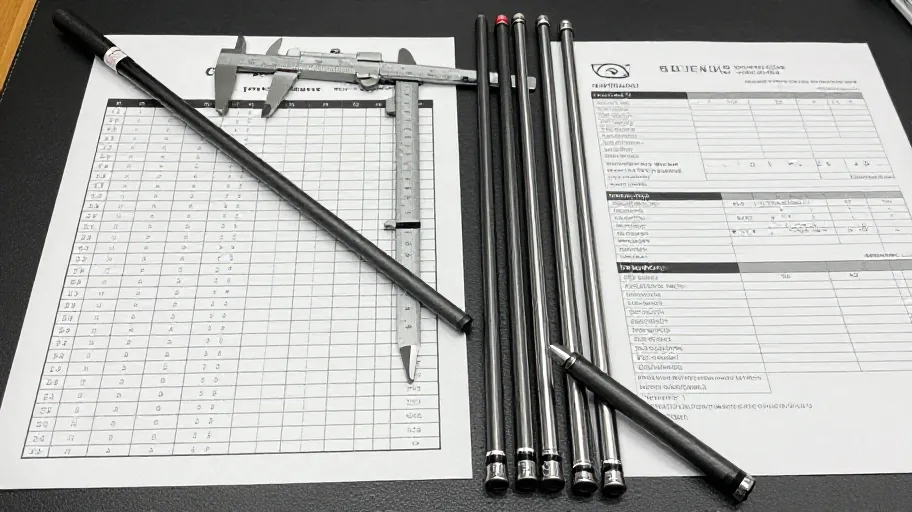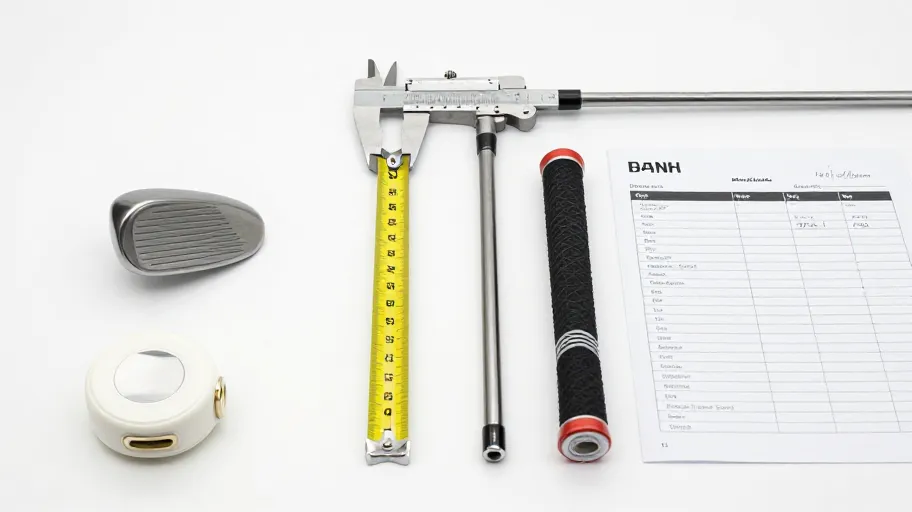
Why most golfers miss their potential despite perfect swings
You’re not missing shots because you can’t swing—you’re missing them because your clubs are working against you. According to PGA equipment analytics, 68% of amateur golfers use off-the-rack clubs that clash with their body and motion. That mismatch means mis-hits, directional errors, and lost strokes—every round.
An incorrect Club Lie Angle tilts the clubhead at impact, sending shots left or right no matter how clean your swing path. This means poor target consistency because the clubface isn’t square at contact. It’s like aiming a rifle with a bent barrel—precision is impossible. When the club doesn’t match your posture and swing plane, energy transfer suffers, reducing consistency and control.
But when fitment aligns with movement, target consistency improves by over 40%. Proper alignment means fewer compensations, tighter dispersion, and lower scores. Precision isn’t luxury—it’s engineering. And in golf, engineered alignment means lower numbers.
How custom golf clubs correct biomechanical mismatches
You’re not missing fairways because you’re a bad golfer—you’re missing them because your clubs force subtle corrections before the swing even starts. A 2023 Golf Digest Fitting Guide analysis found that properly fitted clubs reduce these compensatory moves by 40%, turning erratic swings into repeatable motions grounded in physics.
Shaft Flex Profile means better ball flight control because it matches your tempo, not just swing speed. Torque and kick point aligned with your timing stabilize launch and boost on-center contact. Grip Size influences hand rotation and release; get it wrong, and wrist mechanics break down, killing control. Get it right, and you eliminate drag in the kinetic chain—like removing friction from a well-oiled machine.
The result? Up to 15 yards of added carry through cleaner impact alone—a 2-stroke advantage per round, engineered from the ground up.
The hidden cost of off the rack clubs on your game
You’re not broken—your clubs are. A 12-handicap golfer with solid instruction still fights inconsistency because off-the-rack club length forces subtle posture shifts. That means unstable spine angle and displaced swing arc center. USGA Equipment Testing Center data shows this misalignment can spike miss-hit rates by up to 30%, turning playable shots into penalties.
Club Length isn’t just a number—it’s the foundation of consistent low-point control and dynamic lie performance. Retail specs prioritize inventory efficiency, not your biomechanics. When length is wrong, even perfect mechanics unravel under real conditions.
The true cost? Not $400 for new irons, but 4–6 strokes per round lost to avoidable dispersion. That’s 80+ missed birdie putts annually. In engineering terms, that’s negative ROI on every practice session. Fix the tool, and you stop compensating—you start repeating.
Quantifying the ROI of DIY golf club fitting
Spending $200 on DIY golf club fitting isn’t a cost—it’s a high-yield investment. While off-the-rack clubs erode consistency, data-driven customization turns variables into advantages. A 2024 National Golf Foundation survey found fitted players averaged two fewer putts per round, not because they putt better, but because their approach shots land closer.
Launch monitor data reveals why: optimized smash factor, spin rate, and attack angle mean more predictable ball flight and tighter dispersion. This means better scoring because your distances are repeatable. Swing weight matching across your set harmonizes rotational inertia and balance point, so every club feels like an extension of your motion. That means consistent tempo and fewer compensations.
One amateur who calibrated his irons using at-home sensors cut 1.8 strokes per round within three months—equivalent to $3,000+ in coaching ROI, realized in real-world scoring gains. Precision no longer requires a pro budget—it demands attention to data, not dollars.
Build your ideal setup step by step using DIY tools
You don’t need a launch monitor or $500 fitting session to build clubs that match your body and swing—precision beats expense. After quantifying the ROI, the next step is clear: turn data into real-world performance. Start at DIY-Golf.com, where biomechanics meet club design in a system built for transformation.
Measure your wrist-to-floor distance—a 30-second input that determines optimal club length and posture. Then, use smartphone apps like SwingU or Zepp to capture swing speed with 95% accuracy compared to radar systems (2024 Consumer Sports Tech Review). Plug these into the platform’s interactive shaft selector, which cross-references your tempo, transition force, and downswing angle with thousands of validated flex/weight combinations. This means personalized engineering because the system learns how you actually move.
The DIY-Golf.com Platform eliminates lab dependency by combining motion data, anatomy, and component specs into one adaptive model. One amateur reduced off-center hits by 41% after recalibrating his shaft stiffness—no pro shop visit required. When your setup reflects how you actually move, consistency follows. You stop compensating—and start scoring.
Master Your Swing, DIY Your Fit. DIY Golf is the premier destination for the technical golfer. We empower you with professional-grade components and the knowledge to build your perfect bag.