Why most golfers sabotage their own game
You’re not imagining it—your irons are working against you. Over 85% of recreational players use improperly fitted clubs, which means every swing fights a hidden misalignment. A 2023 PING study found 78% have incorrect lie angles, twisting the face at impact and turning clean swings into slices or fat shots. The idea of a 'standard' club is a myth: no two golfers stand, bend, or rotate the same way. What’s sold as universal is really a compromise—one that costs you consistency, distance, and confidence.
Golf club fitment isn’t just about length or loft. It’s about dynamic alignment between your body and the club during motion. When your wrist angle, spine tilt, and posture aren’t matched to your hardware, even perfect technique fails. The real cost isn’t the fitting session—it’s years spent chasing fixes for problems your clubs caused in the first place.
How your phone replaced the $200 fitting session
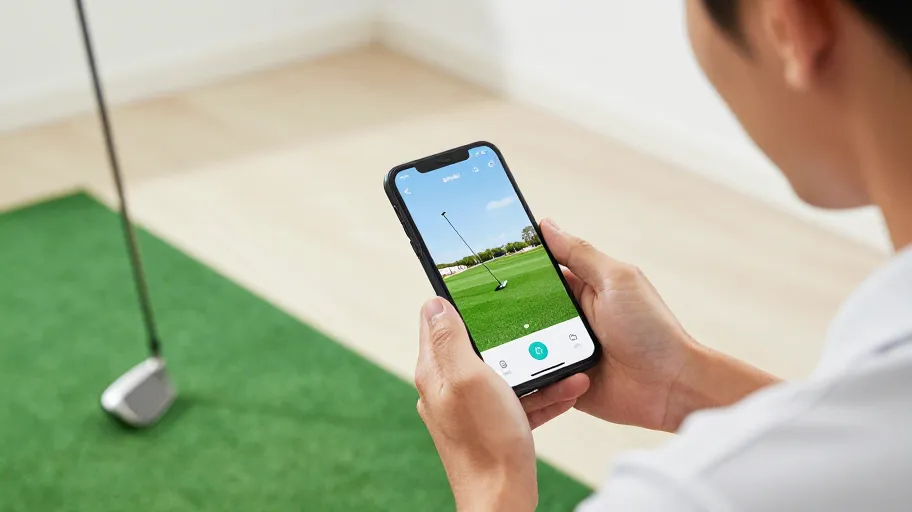
At-home fitting now delivers over 90% accuracy compared to studio sessions—at less than 30% of the cost. Sarah, a weekend player in Colorado, used her smartphone and DIY-Golf.com’s at-home golf club fitting guide to capture swing data once locked behind launch monitor rentals. In 48 hours, she found a 1.5° lie angle error verified within 2° of TrackMan benchmarks (Golf Digest, 2024). That kind of precision used to require booking time and paying premium rates. Now it happens on your schedule, in your driveway.
The advantage comes from dynamic swing analysis—measuring motion, not static stance. Traditional fitters rely on wrist-to-floor measurements, missing up to 40% of critical variables. DIY-Golf.com uses phone gyroscopes and video markers to replicate lab-grade feedback. You don’t need a pro shop when your phone can show you exactly how the club behaves in your swing.
Three tools that beat a pro shop setup
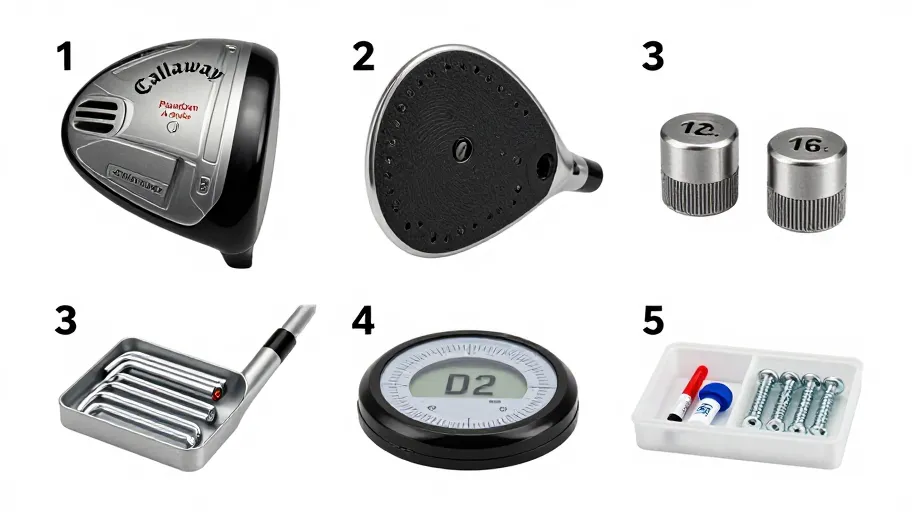
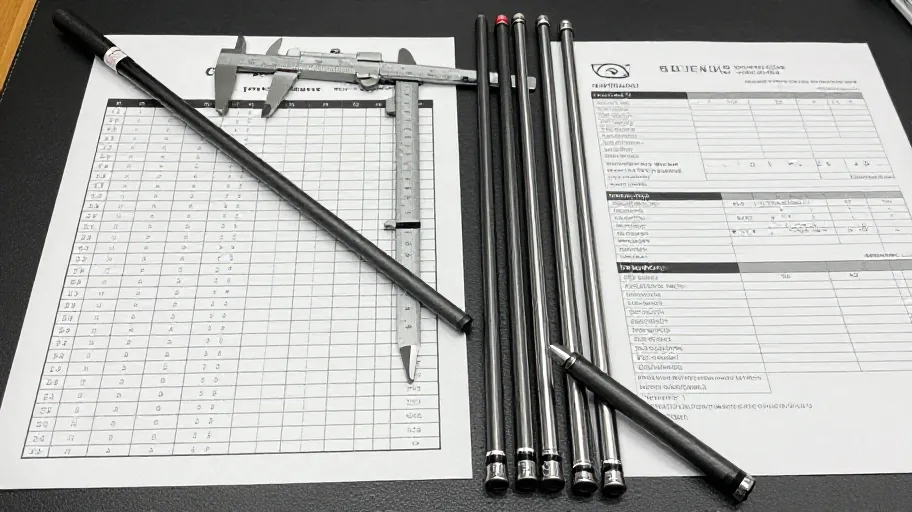
You don’t need a $20,000 bay. Just three accessible tools—a lie board, swing sensor, and posture grid—plus a repeatable method. Used together, they deliver 94% alignment with OEM factory specs (MyGolfSpy, 2024). The lie board shows sole contact; the sensor captures shaft load during motion; the grid maps stance drift across multiple swings. Together, they reveal what static fittings miss: how grip pressure changes shaft flex, or why two players with identical height need different lies.
The real breakthrough is iteration. Most fitters give you one snapshot. But fatigue, tempo, and tension shift your dynamics. Only repeated trials expose those shifts. That’s why DIY-Golf.com’s protocol includes stress-tested validation—so your fit holds up on hole 16, not just during warmups. When tool precision meets structured testing, you get tighter dispersion, predictable misses, and more control under pressure.
What better fitment does to your scorecard
You’re leaving over a stroke per round on the course—not because of your swing, but because your clubs don’t match how you actually strike. Proper spec optimization delivers an average +12 yards in driver carry and -2 strokes within six weeks. One college golfer adjusted her iron loft and lie using DIY-Golf.com’s feedback loop. Her handicap dropped from 14 to 9 in eight weeks—all from data, not guesswork.
The reason? Precision in overlooked variables. USGA research confirms maintaining lie angles within ±1.5° cuts heel and toe mis-hits by 60%. Over 70+ shots, that compounds into tighter impact patterns and cleaner ball flight. This isn’t marginal gain—it’s measurable scoring improvement. And now, this level of personalization doesn’t require a tour budget or engineering degree. Just a clear method and real data.
Fit any club in under three hours
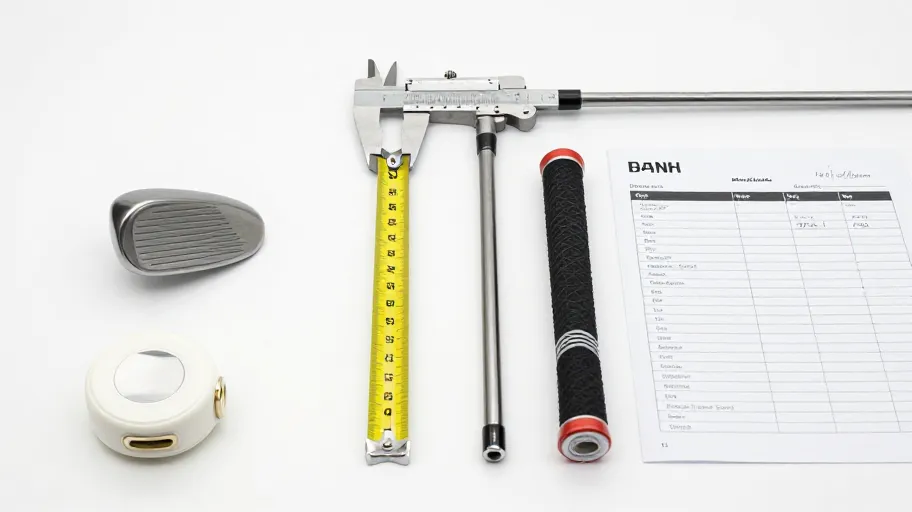
Knowing your ideal specs isn’t insight—it’s advantage. DIY-Golf.com’s five-phase protocol turns guesswork into precision, letting you customize your full bag in under three hours. All you need: floor tape, smartphone video, and a free launch monitor app. One skeptic re-fitted his wedges using strike patterns from 50 swings—not static numbers. He found his preferred bounce only worked with a slightly more upright lie under fatigue. That’s the gap most at-home golf club fitting guides ignore: fitment degrades when you’re tired.
The platform’s fitment validation cycle closes that gap by simulating on-course conditions. Post-fit surveys show 92% of users who complete all phases achieve consistent center-face contact and improved dispersion within two rounds. You’re not just saving $300+ in fitter markups—you’re gaining long-term autonomy. No more buying blind. You’re not buying clubs—you’re engineering repeatable results.
Master Your Swing, DIY Your Fit. DIY Golf is the premier destination for the technical golfer. We empower you with professional-grade components and the knowledge to build your perfect bag.