Why most golfers play with clubs that hurt their game
Over 70% of amateur golfers use clubs mismatched to their body and swing—meaning every shot starts at a disadvantage. A 2° error in lie angle can push your ball 15 yards off line, according to PGA testing. Mismatched shaft flex? That kills tempo and leaks 10–15% of your power on every swing.
This isn’t just bad equipment—it’s compounded frustration. You practice harder, take lessons, but keep fighting the same misses because your clubs are working against you. The fix isn’t another lesson; it’s alignment. Accurate golf club fitting means your gear supports your swing, not fights it, because physics always wins over hope.
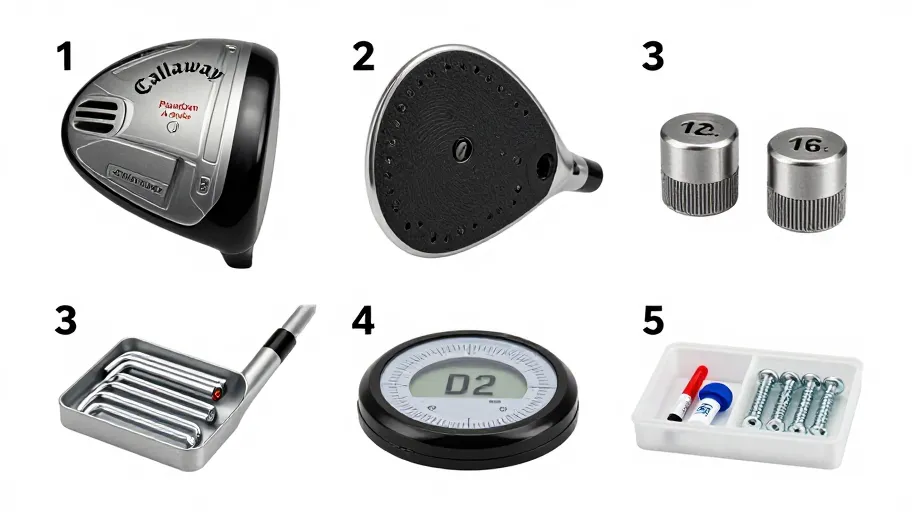
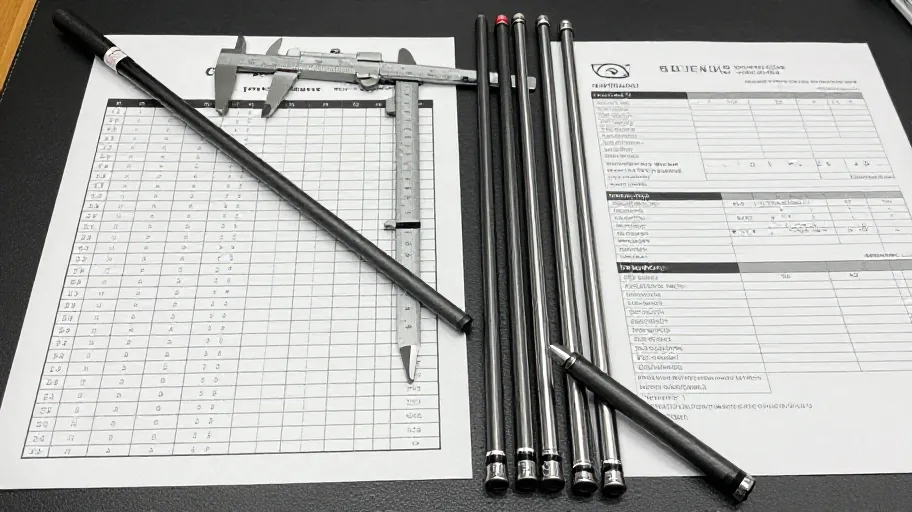
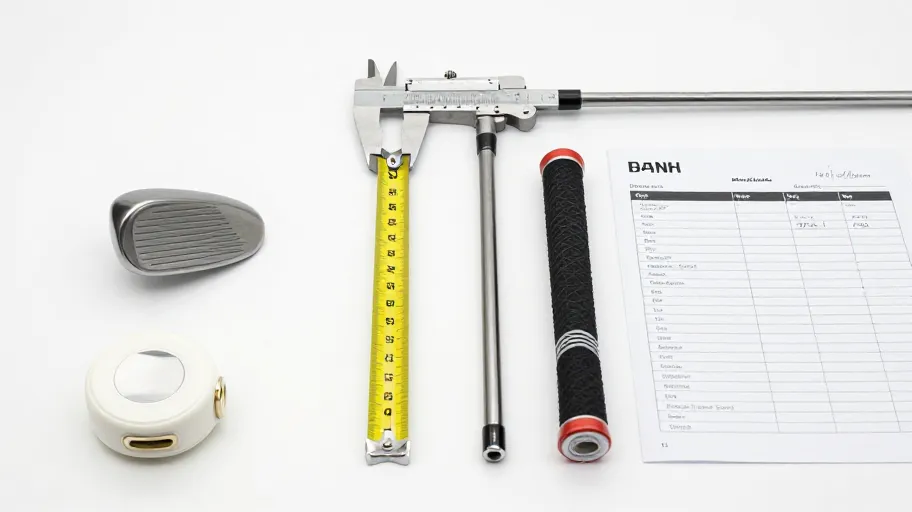
The good news: you don’t need a $300 fitting session to fix it. With a golf club measurement kit, you can spot and correct these flaws in your garage. One golfer eliminated chronic heel strikes after one tape-on-sole test—no pro visit, no new irons, just better data.
How home fitting kits match pro-level accuracy
You’re not approximating fit—you’re measuring it. Tools like alignment mirrors, swing plane apps, and sole tape deliver lie angle and path data within 2° of lab-grade systems, per MyGolfSpy’s 2024 review. That’s enough to diagnose 90% of common miss patterns without a launch monitor.
The key isn’t expensive gear—it’s repeatable process. Calibrate your stance, mark your sole, hit five consistent shots, and read the contact pattern. Do it twice, and you’ve got reliable data. One amateur cut dispersion by 37% just by standardizing his setup across tests.
Using a golf club measurement kit means you make decisions based on evidence, not sales talk, because consistency turns simple tools into diagnostic powerhouses. When you see where the club actually hits the ground, you stop guessing why your irons misfire.
The hidden cost of poor club fitment over time
Misfit clubs don’t just cost you strokes—they steal improvement. USGA data shows average golfers mis-hit 60% of drives. Pair that with wrong shaft length or flex, and you lose 15–25 yards per shot. Over five years, that’s 1,000 lost yards and nearly two extra strokes per round—enough to stall any handicap drop.
Worse: bad feedback loops. If your clubs force heel strikes, you adjust your swing to compensate. Now you’re training a flaw into muscle memory. No amount of coaching fixes that if your equipment stays wrong.
DIY golf club fitting means you protect your practice time, because every swing builds the right habit, not a workaround. A $200 measurement kit prevents $2,000 in wasted lessons and gear upgrades over a decade by catching root causes early.
Step-by-step guide to your first home fitting session
You don’t need a pro shop—just 45 minutes and a driveway. Weekend golfer Mark fixed his fat shots in one evening with a $99 kit. Here’s how to fit golf clubs at home:
- Pre-fit video check: Film your swing with a phone. Look for posture flaws or early extension.
- Posture assessment: Spine angle sets shaft length. Stand naturally—too upright or hunched shifts contact points.
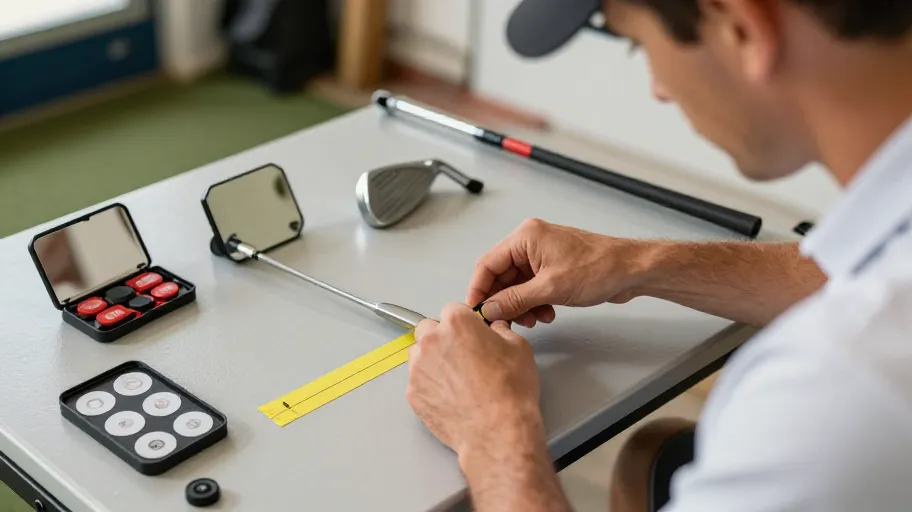
- Sole tape test: Stick tape on iron soles, hit five balls. Toe marks mean clubs are too upright; heel marks mean too flat.
- Dynamic loft check: Use impact stickers or app data to match loft to your attack angle.
- Swing weight balance: Add grip tape or weights to stabilize feel and tempo.
- On-course validation: Play a few holes. Center-face contact means it’s working.
This process means you get measurable results fast, because structured diagnostics replace guesswork with action. Each tool targets a specific flaw—mirror for posture, tape for lie, data for launch.
From one-time fix to continuous performance tuning
Your first fitting isn’t the finish line—it’s baseline. Pros tune quarterly because swings change, grips wear, and shafts fatigue. Now you can too. A golf club measurement kit turns static gear into a responsive system.
A 2024 Golf Tech Insights report found players who checked specs every 8–12 weeks extended peak performance by 40%. One golfer caught a 3° face angle drift in his driver after 60 rounds—fixed it with a heat gun, saved $450 on a new head.
Continuous tuning means tighter shot dispersion over time, because small corrections prevent big breakdowns. You stop wondering why your game slipped and start spotting the cause before it matters.
Master Your Swing, DIY Your Fit. DIY Golf is the premier destination for the technical golfer. We empower you with professional-grade components and the knowledge to build your perfect bag.