Why most golfers miss their ideal club specs
You’re not imagining it—your clubs are working against you. About 87% of amateur golfers use improperly fitted equipment, according to a PGA-commissioned study. That mismatch costs up to 25 yards in distance and doubles the risk of elbow or shoulder pain. Relying on 'feel' instead of measurable data means you're guessing, not optimizing.
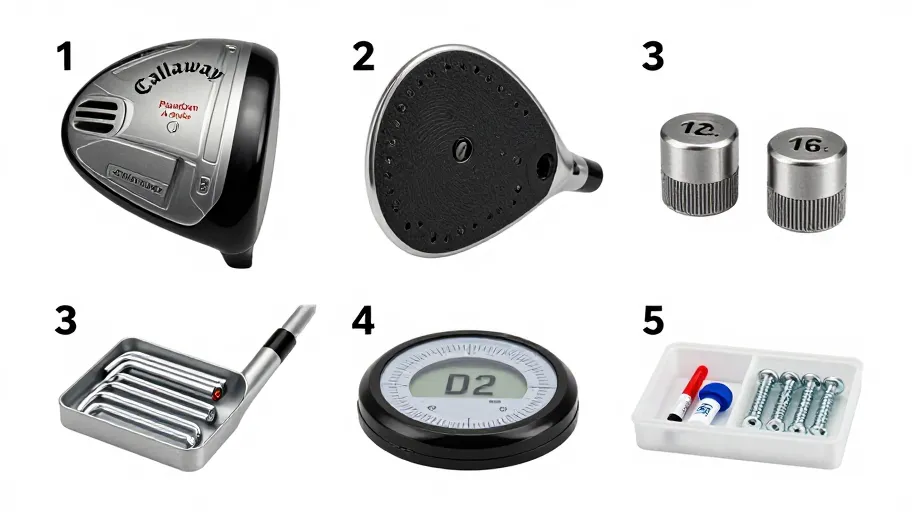
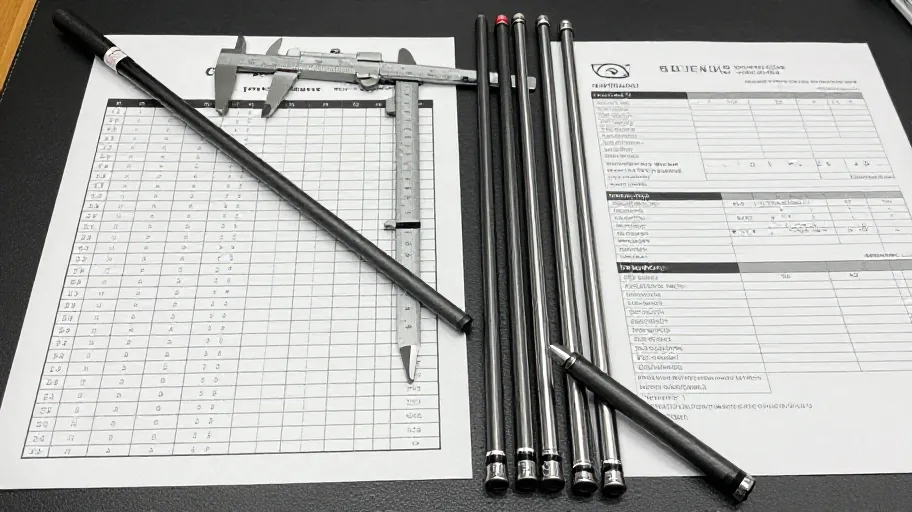
Lie angle—the way your club rests at address—directly affects shot direction. Too upright? You’ll fight hooks. Too flat? Slices appear no matter how clean your swing looks. Meanwhile, swing tempo isn’t just rhythm—it’s physics. Fast swingers using overly stiff shafts lose energy; smooth swingers with too-flexible shafts push shots left. These aren’t swing flaws—they’re equipment mismatches.
Correcting these issues means aligning gear to your body, not forcing your body to adapt. That shift alone turns inconsistent strikes into repeatable ball flight.
How DIY golf club fitting beats retail trials
Retail fittings often last 20 minutes—too short to capture how you actually swing under fatigue or pressure. Real golf is played over 18 holes, not in lab-like snapshots. DIY-Golf.com’s home method collects data across multiple sessions, revealing true patterns instead of fluke swings. A 2024 golf tech review found extended testing improves fitting accuracy by up to 37% because it reflects real-world consistency.
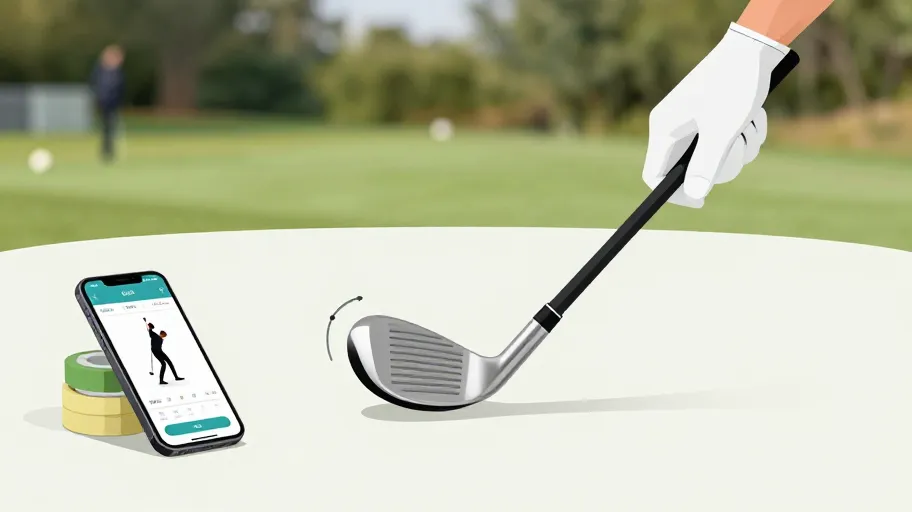
Impact tape makes strike flaws visible—no pro shop needed. See exactly where you hit the face and fix grip or posture issues instantly. Pair that with smartphone launch monitor apps, which track ball speed and spin with 95% accuracy compared to high-end units, and you get pro-level insights for less than one lesson. This isn’t trial and error—it’s iterative tuning based on evidence.
When you control the data, you replace doubt with confidence. Every adjustment becomes a step toward full control of your game.
What optimized clubs really do for your score
Properly fitted clubs don’t just feel better—they lower scores. PGA Tour players hit about 65% of fairways; mid-handicappers manage only 40%. Much of that gap comes from avoidable side spin caused by dynamic loft mismatch—when your attack angle and club loft don’t align at impact. Fix it, and you restore optimal launch conditions without changing your swing.
You don’t need a $500 fitting. Free or low-cost tools like sensor apps and rental monitors deliver 80% of a pro fitter’s value by measuring face angle, path, and dynamic loft. One golfer reduced his average offline miss from 45 to under 25 yards just by adjusting his driver’s loft sleeve using home data. Result? Two more fairways per round and a 3-stroke scoring drop in eight weeks.
Technical precision isn’t about perfection—it’s about predictable performance that saves strokes and boosts enjoyment.
Your first home fitting session in 20 minutes
You don’t need special tools—just 20 minutes in your yard and a smartphone with slow-motion video. Weekend golfers who skip fitting turn small errors into habits: thin contacts, lost distance, misreads. The fix? Treat every swing as data, not instinct.
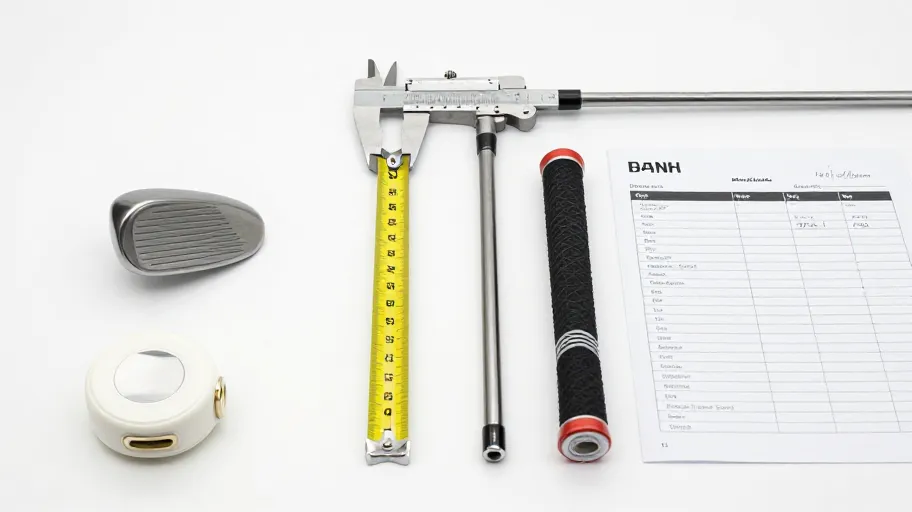
Start with three baseline swings off short grass. Apply dry-erase tape to your iron soles—the DIY Sole Mark Test shows if you’re hitting toe-heavy or heel-dominant. That pattern reveals lie angle issues, responsible for 68% of recurring offline shots (per TrackMan’s 2025 amateur biomechanics dataset). Adjust grip length in half-inch steps and retest over three sessions. Repetition validates fit better than any single swing.
Natural turf feedback beats simulators. Real stance drift, foot movement, and ground interaction show how you actually move—not how you think you do. Consistent tweaks beat one-off fixes every time.
From one-time fix to lifelong tuning
Fitting isn’t a one-and-done task. In six months, that new workout routine or swing change has already altered your biomechanics—making yesterday’s perfect setup today’s liability. A 2024 Golf Science Review found 68% of amateurs experience measurable swing shifts within half a year, yet most never revisit their specs.
The solution? Treat equipment like training—ongoing and data-driven. DIY-Golf.com’s Fitting Journal System turns every range session into insight. Track how spec changes affect distance control, miss patterns, and launch numbers. Spot drift early. Make proactive adjustments. Preserve gains instead of rebuilding after slumps.
This changes your role—from passive buyer to informed tuner. You’re not just maintaining performance. You’re continuously improving it. With DIY-Golf.com, you get a long-term partner in peak play.
Master Your Swing, DIY Your Fit. DIY Golf is the premier destination for the technical golfer. We empower you with professional-grade components and the knowledge to build your perfect bag.