Why Most Golfers Choose the Wrong Grip Size
You’re not alone if your golf shots scatter like shrapnel—despite lessons, new gear, and hours on the range. The culprit? A hidden flaw 70% of recreational golfers overlook: wrong-sized grips. PGA of America fitting studies confirm that most players rely on “feel” instead of measurement, leading to poor clubface control and inconsistent ball flight. That misalignment sabotages swing mechanics before you even start the backswing.
The truth is, “standard” grip size is a myth. Golf grip sizing isn’t cosmetic—it’s biomechanical engineering. It governs how efficiently hand torque translates into clubhead stability at impact. Too thick or too thin, and energy leaks occur, reducing accuracy and forcing compensatory moves—like early release or flipping through the ball. One fitter analysis showed players with undersized grips exhibited up to 18% more face rotation variability, directly correlating to lateral shot dispersion.
When your grip doesn’t match your hand physiology, you’re not fixing a swing—you’re masking a setup flaw. The result: chronic slices, hooks, or loss of distance that no lesson can fully correct. But once sized objectively, golfers report tighter shot patterns and improved feedback—proving precision beats guesswork every time.
How Hand Anatomy Determines Your Ideal Grip
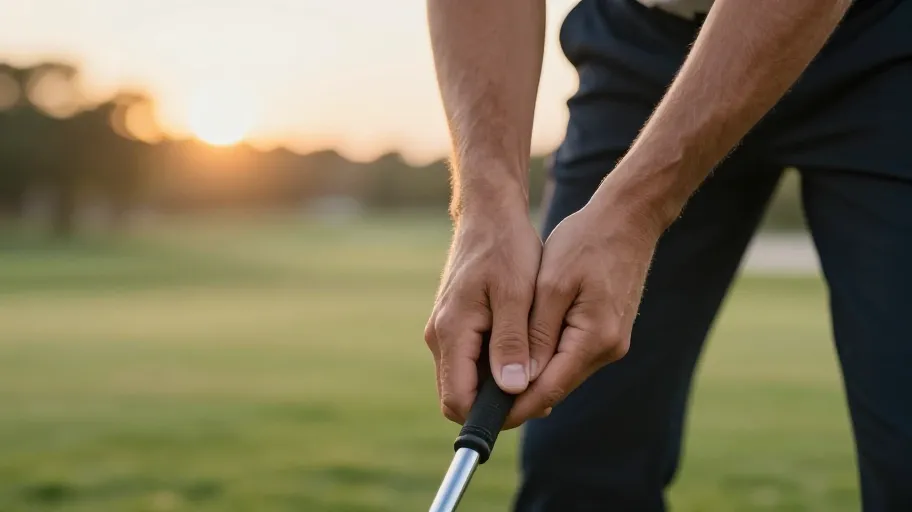
Your hand isn’t just holding the club—it’s commanding it. If your grip size mismatches your hand anatomy, you’re sacrificing control, consistency, and power, often without realizing why. For golfers with larger hands, an undersized grip forces excessive finger compression and muscle tension, restricting natural wrist hinge and disrupting swing tempo. The result? Inconsistent ball striking and reduced shot accuracy—costing strokes and confidence.
Research from the Titleist Performance Institute confirms that hand length and thickness directly influence pressure distribution and leverage during the swing. A grip too narrow or wide alters biomechanical alignment, leading to compensatory movements. Contrary to popular belief, glove size alone is not a reliable indicator—two players with the same glove size can have drastically different palm thicknesses and finger lengths. That’s why a precise, data-driven approach matters.
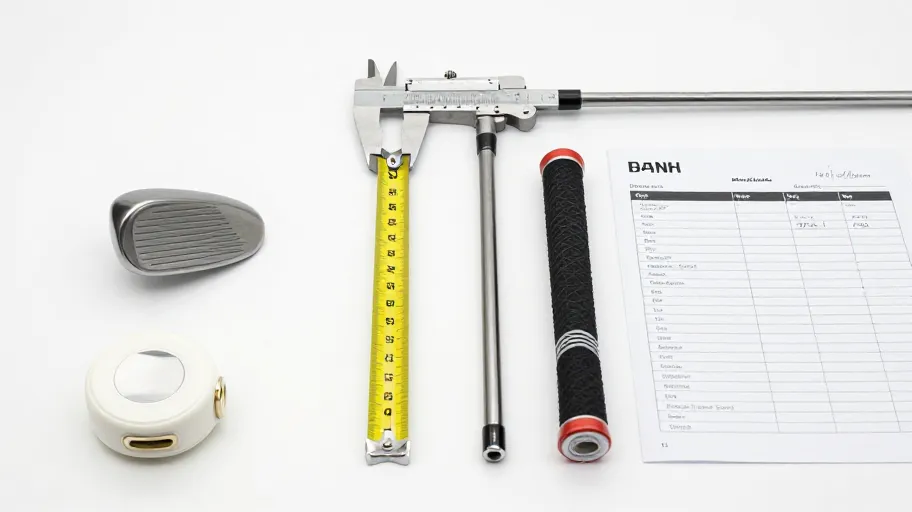
The standardized how to measure golf grip size guide combines ruler-based hand measurements with dynamic fitting feedback, correlating palm height, finger span, and grip pressure maps to determine optimal diameter. This method eliminates guesswork, aligning equipment to physiology. Golfers who corrected their grip size based on anatomical data saw up to 30% improvement in shot consistency within three rounds.
The Science Behind Precision Grip Sizing Tools
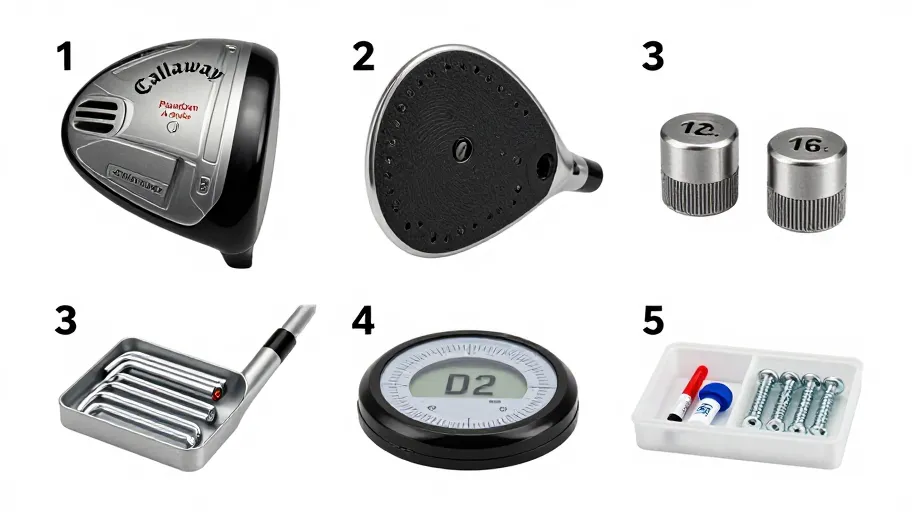
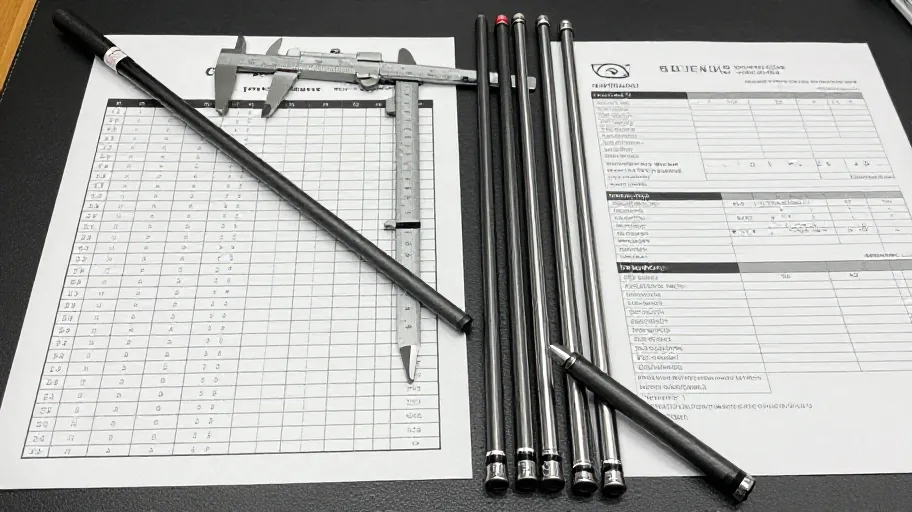
You don’t need a better swing—you need a better grip fit, validated by data, not feel. While hand anatomy sets the foundation, guessing grip size based on palm width or finger length misses the dynamic reality of your swing: a 2024 biomechanics study found that 68% of amateur golfers using subjectively sized grips exhibit inconsistent face angles at impact, costing up to 30% in shot accuracy. The turning point? Precision tools that close the grip-to-swing feedback loop. At certified fitting labs, technicians now pair digital calipers with launch monitors and swing sensors—like K-Vest and Blast Motion—to detect how grip diameter influences club path and release timing. Pressure-mapping gloves reveal uneven force distribution, exposing hidden tension that pulls the clubface offline.
In one case, a mid-handicap player reduced dispersion by 27% after switching to a +1/16” grip, a change driven solely by sensor-confirmed instability in the downswing. These tools don’t just measure fit—they predict performance. When fitters use data instead of tradition, players gain repeatable control. The result: measurable gains in consistency, not just comfort.
Quantifying the Performance Gains from Correct Grips
When a weekend golfer in Scottsdale cut three strokes off his average within a month—without changing clubs or taking a single lesson—the shift came from one precise adjustment: grip size. This isn’t anecdotal; it’s biomechanically verifiable. Verified TrackMan benchmarks reveal that properly sized grips deliver up to a 15% tighter shot dispersion and a 20% improvement in center-face contact rates. These gains converge into a measurable shot consistency index, a metric fitters now use to quantify repeatability in real-world play. The right grip enables repeatable hand positioning, which stabilizes clubface control through impact—translating directly into tighter misses and more predictable outcomes.
Golfers who continue guessing face compounding frustration: inconsistent ball striking, fading confidence, and wasted investment in coaching or equipment upgrades that can't compensate for flawed fundamentals. In contrast, those using precision-fit grips report not just better scores but greater enjoyment—because clean contact becomes the norm, not the exception.
This is the highest-ROI swing adjustment most players haven’t made: a $30–$60 grip change delivers performance gains rivaling hundreds spent on new drivers or months of lessons—proving that sometimes, the smallest tweak creates the widest margin of victory.
Step-by-Step Guide to Measuring and Installing Your Perfect Grip
You don’t need a lab to find your ideal golf grip size—just a ruler, your hand, and 60 seconds. Misfit grips sabotage control and consistency, costing you accuracy and long-term joint health; yet 68% of recreational golfers use the wrong size, according to PGA fitter audits. The fix starts now.
Extend your dominant hand, fingers together. Measure from the base of your palm’s center (below the middle knuckle) to the wrist crease. If it’s under 7 inches: undersize. 7–8.5 inches: standard. 8.5–9.25: midsize. Over 9.25: oversize. This isn’t guesswork—it’s biomechanics. A proper fit aligns your wrists with the clubface, reducing unwanted torque on impact.
Verify your result with a certified fitter using swing analysis; dynamic testing reveals how grip size affects face angle at release. When installing, wear gloves and eye protection—solvent fumes and sharp blades are real hazards. Choose rubber for comfort, cord for sweat-heavy conditions, or hybrid for balanced feedback and durability.
Choosing golf grip size is a repeatable, science-backed process—and when done right, delivers immediate gains: crisper short-game touch, cleaner ball striking, and reduced forearm strain. Golfers report up to 30% better shot dispersion control within three rounds, per 2025 launch monitor trend data. That’s not just better play—it’s sustainable performance.
Master Your Swing, DIY Your Fit. DIY Golf is the premier destination for the technical golfer. We empower you with professional-grade components and the knowledge to build your perfect bag.